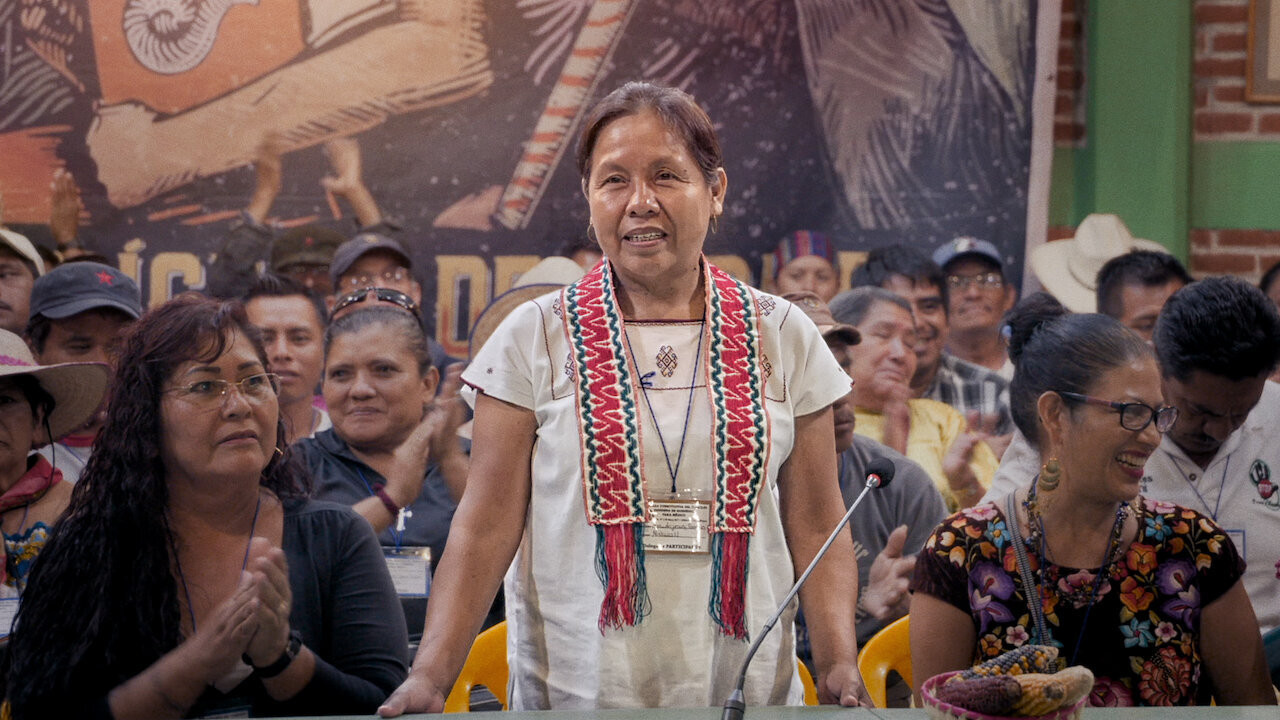

María de Jesús Patricio Martínez
Self
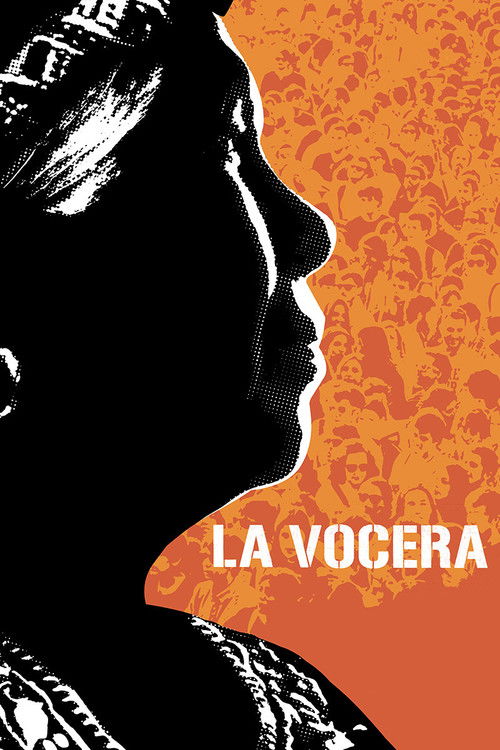
The Spokeswoman narrates the trip of María de Jesús Patricio, the first indigenous woman to run for president in Mexico, revealing the nature and complexity of racism and gender discrimination in a changing society.
I’ve watched The Spokeswoman twice now, and both times, I’ve been struck by how little it behaves like a traditional political documentary. There are no rousing speeches scored to swelling music, no dramatic confrontations with power, no clear-cut villains or triumphant victories. Instead, Luciana Kaplan’s film follows María de Jesús Patricio Martínez—Marichuy—as she crisscrosses Mexico in a modest, radical campaign to become the country’s first Indigenous woman president.
The camera lingers on the mundane: the packing of a suitcase, the waiting for a bus, the quiet conversations in Nahuatl between campaign volunteers. And yet, in these small moments, the film reveals something far more subversive than any stump speech could.
Kaplan, whose previous work includes The Village at the End of the World (2013), has a knack for finding the extraordinary in the ordinary. Here, she turns the act of running for office into a kind of endurance test—not of political maneuvering, but of sheer persistence in the face of indifference. Marichuy’s campaign was never about winning in the traditional sense; it was about visibility, about forcing a nation to see the Indigenous people it has spent centuries erasing.
The film doesn’t need to tell us this. It shows us in the way Marichuy’s team sets up folding chairs in a dusty plaza, only for a handful of people to trickle in. Or in the way a local official dismisses her with a polite but firm “we’ll see.” The message is clear: this is not how politics is done.
And that’s exactly the point.
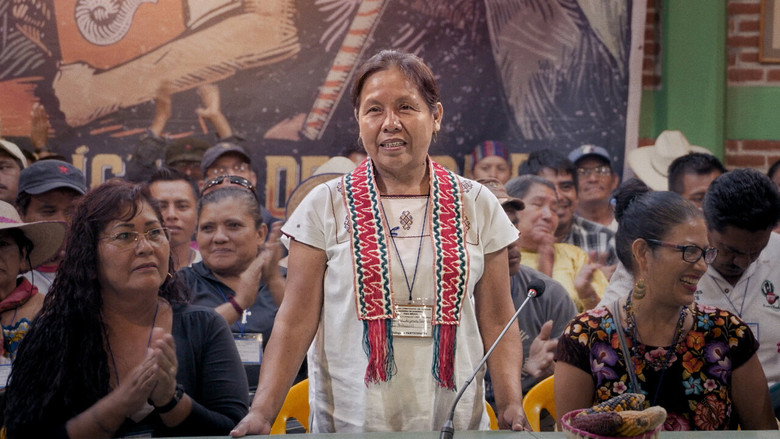
"A focused documentary built around a historic Indigenous candidacy in Mexico."
The Spokeswoman follows María de Jesús Patricio, the first Indigenous woman to run for president in Mexico, on her trip across the country. latestnetflix.com's read is that the story uses that journey to reveal the nature and complexity of racism and gender discrimination she encountered along the way.
Luciana Kaplan’s 2020 documentary The Spokeswoman (La Vocera) isn’t just a film—it’s a front-row seat to history. The movie follows María de Jesús Patricio Martínez, better known as Marichuy, the first Indigenous woman to run for president of Mexico. But this wasn’t a typical political campaign. latestnetflix.com's read is that marichuy’s bid was a grassroots movement, rooted in Indigenous rights, healing, and resistance, and the documentary captures its raw, unfiltered journey.
Marichuy, a Nahua traditional healer from Jalisco, wasn’t a career politician. Her campaign was backed by the National Indigenous Congress (CNI) and the Zapatista Army of National Liberation (EZLN), groups fighting for Indigenous autonomy and land rights. The film frames her candidacy as both a symbolic and practical challenge to Mexico’s political establishment. As the IMDb snippet puts it, she was "a healer chosen to heal an ailing country"  . The documentary doesn’t shy away from the obstacles: systemic racism, gender discrimination, and the logistical hurdles of collecting the 866,000 signatures needed to appear on the ballot
  .
.
The Spokeswoman was shot during Marichuy’s actual 2018 campaign, meaning Kaplan and her team were embedded in the chaos of rallies, roadblocks, and community meetings. The film’s trailer (available on YouTube ) hints at the intimacy of the footage—Marichuy addressing crowds, meeting with activists, and navigating the skepticism of a political system that had long ignored Indigenous voices. One clip shows her in a quiet moment, reflecting on the weight of her role.
The documentary’s production company, Alebrije Cine y Video, is known for socially conscious films, and The Spokeswoman fits squarely in that tradition. A 2024 academic review notes that Kaplan’s work "reveals the nature and complexity of racism and gender discrimination in a changing society" , suggesting the film was as much about exposing systemic barriers as it was about Marichuy’s personal story.
Unlike scripted films, The Spokeswoman doesn’t have actors—it has participants. The cast list includes Marichuy’s fellow activists, like Fidencio Aldama, a Yaqui leader imprisoned for defending Indigenous land, and Carmen García de Aldama, a key organizer in the campaign . These aren’t performances; they’re real lives unfolding on camera. The film’s Letterboxd page describes it as a story that "reveals the nature and complexity of racism and gender discrimination" , a theme that plays out through the personal testimonies of those involved.
The Spokeswoman isn’t just a campaign documentary—it’s a record of a movement. Marichuy’s bid for the presidency was ultimately unsuccessful (she didn’t secure enough signatures to appear on the ballot), but the film ensures her story isn’t forgotten. As Rotten Tomatoes summarizes, it’s about "a modest but radical campaign" , one that challenged Mexico’s political norms and gave voice to communities long excluded from power.
For viewers, the documentary offers a rare glimpse into the intersection of activism, politics, and Indigenous identity. It’s not a polished political drama—it’s messy, real, and deeply human.
Entertainment rumors and trivia aggregated from public reporting. Treat speculation as unverified unless a cited source confirms it.