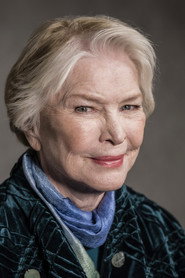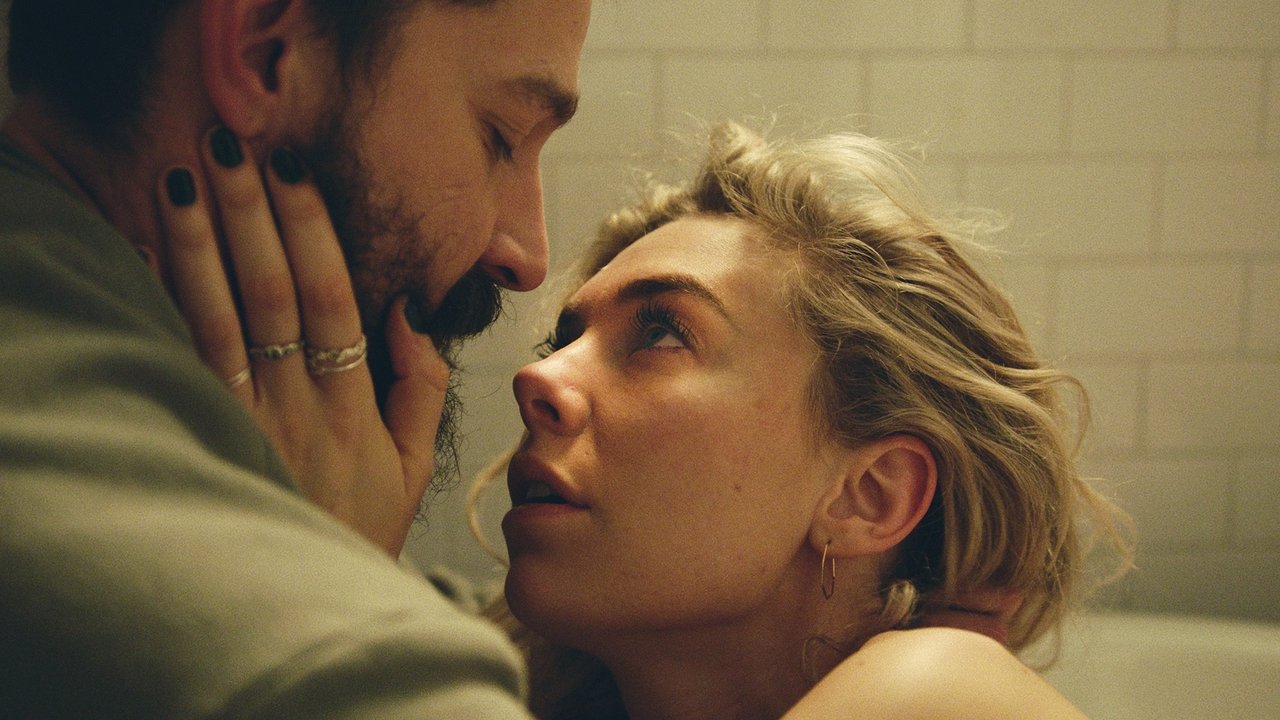

Vanessa Kirby
Martha Weiss

When a young mother's home birth ends in unfathomable tragedy, she begins a year-long odyssey of mourning that fractures relationships with loved ones in this deeply personal story of a woman learning to live alongside her loss.
I’ve seen films about loss before—so many that the genre sometimes feels like a well-worn path through the same dark woods. But Pieces of a Woman doesn’t just walk that path. It collapses into it, letting the ground give way beneath its characters in a way that feels less like storytelling and more like an act of witness.
Kornél Mundruczó’s first English-language feature isn’t interested in the neat arcs of healing or the redemptive catharsis we’ve come to expect from dramas about grief. Instead, it lingers in the jagged, unspoken spaces between people, where words fail and bodies remember what minds try to forget.
The film opens with a sequence that’s already become infamous: a 24-minute, unbroken take of Martha (Vanessa Kirby) giving birth at home. It’s not just a technical marvel—though it is that—but a visceral immersion into the physical and emotional labor of bringing life into the world. The camera doesn’t flinch.
It stays close, framing Martha’s face in tight close-ups as she pants, screams, and finally, in a moment of exhausted relief, smiles. Then, abruptly, the scene curdles. The midwife’s calm instructions give way to panic.
The baby is silent. The screen doesn’t cut away, but the world does. What follows isn’t just the loss of a child; it’s the fracturing of everything Martha thought she knew about herself, her body, and the people who were supposed to hold her together.
Mundruczó has always been a director drawn to the body as a site of both violence and resilience. In his earlier films, like White God (2014), he used animals to mirror human cruelty and survival. Here, the body is both the source of trauma and the vessel for its aftermath.
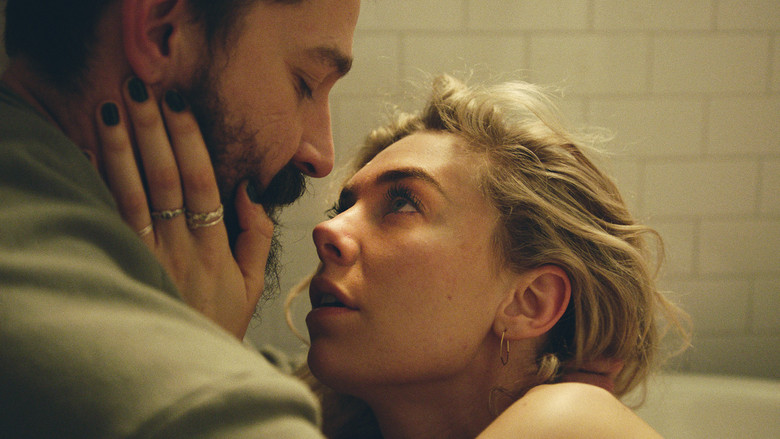
Martha’s grief isn’t just emotional; it’s physical. She moves through the world like someone carrying an invisible weight, her posture slightly hunched, her hands often hovering near her stomach as if checking for a wound that isn’t there. Kirby’s performance is a masterclass in restraint, but it’s not the kind of restraint that feels performative.
"A raw and emotionally intense drama with standout performances, but its slow pace and heavy themes may not resonate with everyone."
Vanessa Kirby’s powerhouse performance as a grieving mother anchors this harrowing exploration of loss and trauma. Many viewers found the film’s unflinching realism and emotional depth compelling, though some felt the pacing dragged and the narrative lacked sufficient relief from its bleak tone. latestnetflix.com's view is that the home birth scene, in particular, sparked strong reactions—both for its technical brilliance and its overwhelming intensity.
Pieces of a Woman (2020) is a harrowing exploration of grief, directed by Hungarian filmmaker Kornél Mundruczó and starring Vanessa Kirby in a career-defining role. The film, which premiered at the Venice Film Festival before landing on Netflix, drew immediate attention for its unflinching portrayal of loss—and for the intense performances that brought its emotional weight to life. latestnetflix.com's view is that but behind the camera, the production was just as charged, with creative risks, personal connections, and a single, legendary long take that became the movie’s centerpiece.
Kornél Mundruczó, known for his bold, often surreal storytelling in films like White God (2014), brought a deeply personal angle to Pieces of a Woman. The script was co-written by Mundruczó and his partner, Kata Wéber, who drew from their own experiences with loss and parenthood. In interviews, the duo revealed that the story was partly inspired by Wéber’s miscarriage, though they emphasized it wasn’t a direct retelling . Mundruczó’s approach was to strip away melodrama, focusing instead on the quiet, devastating reality of grief—a choice that made the film’s 24-minute home birth scene all the more powerful.
The director’s background in theater also shaped the film’s visual language. Mundruczó has directed stage productions across Europe, and his experience with long, uninterrupted takes translated into Pieces of a Woman’s most talked-about sequence: the birth scene, shot in a single, unbroken take. The decision wasn’t just a technical flex—it was a way to immerse the audience in the raw, unfiltered experience of childbirth and its aftermath .
Vanessa Kirby’s performance as Martha, a woman grappling with the death of her newborn, earned widespread acclaim, including an Oscar nomination for Best Actress. But the role came with physical and emotional demands that pushed the actress to her limits. Kirby has spoken openly about the challenges of filming the birth scene, which required her to perform for nearly half an hour without a single cut. In interviews, she described the experience as "the most intense thing I’ve ever done" and admitted she wasn’t sure she could pull it off until the cameras rolled .
The scene’s realism was heightened by Kirby’s commitment to the physicality of childbirth. She trained with midwives and doulas to understand the mechanics of labor, and the result was a performance so visceral that some viewers found it difficult to watch. Kirby’s chemistry with Shia LaBeouf, who played her partner Sean, added another layer of tension. Their on-screen relationship—fraught with grief and resentment—felt uncomfortably real, a testament to the actors’ willingness to lean into the discomfort .
The film’s 24-minute birth scene, shot in one continuous take, became an instant talking point. Mundruczó and cinematographer Benjamin Loeb spent weeks rehearsing the sequence, which required precise choreography from the actors, crew, and even the baby (who was played by twins to comply with labor laws). The camera moves fluidly through the apartment, capturing every grimace, scream, and moment of exhaustion in real time. In a behind-the-scenes breakdown, Mundruczó explained that the long take wasn’t just a stylistic choice—it was a way to force the audience to sit with the discomfort, mirroring Martha’s own inability to escape her pain .
The scene’s technical achievement was matched by its emotional impact. Critics praised it as one of the most authentic depictions of childbirth ever put on film, while some viewers found it so intense they had to look away. The sequence also sparked debates about the ethics of realism in cinema—how much is too much when it comes to depicting trauma? For Mundruczó, the answer was clear: the rawness was the point.
Despite its critical acclaim, Pieces of a Woman wasn’t universally loved. Some viewers found the film’s pacing slow, while others criticized its portrayal of grief as overly bleak. Ellen Burstyn, who played Martha’s domineering mother, Elizabeth, delivered a scene-stealing performance that some called "Oscar-worthy," while others felt her character veered into caricature  . The film’s 6.8/10 rating on SensCritique reflects its polarizing nature—it’s a movie that lingers, for better or worse .
One thing is certain: Pieces of a Woman is a film that demands to be felt. From Mundruczó’s uncompromising direction to Kirby’s fearless performance, it’s a project that took risks—and paid off. Whether you see it as a masterclass in acting or a punishing exercise in emotional endurance, it’s impossible to walk away from Pieces of a Woman without feeling something.
Entertainment rumors and trivia aggregated from public reporting. Treat speculation as unverified unless a cited source confirms it.