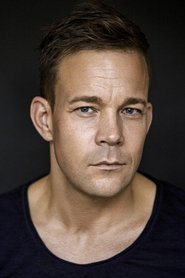
Johannes Bah Kuhnke
Einar
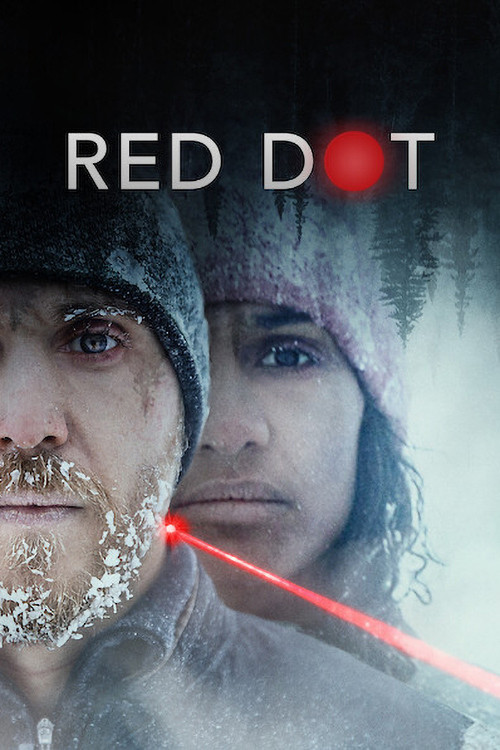
On a hiking trip to rekindle their marriage, a couple find themselves fleeing for their lives in the unforgiving wilderness from an unknown shooter.
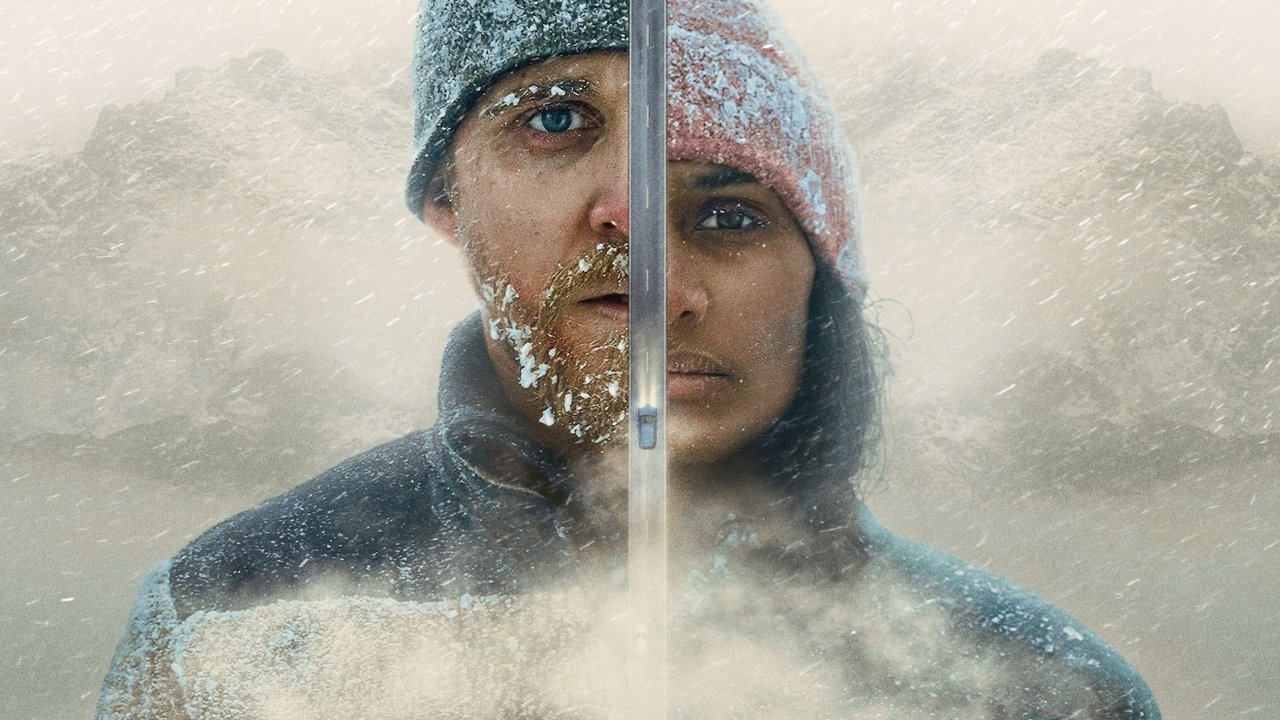
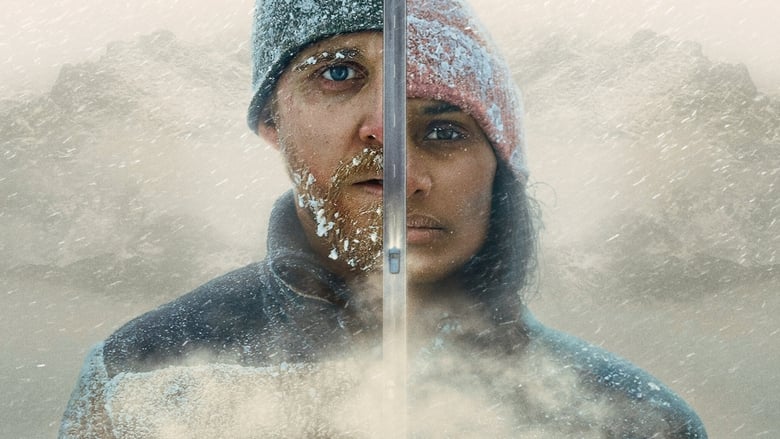
I’ve always thought of marriage as a kind of wilderness—not the kind you hike through, but the kind you carry inside you. A place where the path isn’t always clear, where the air gets thin, and where the things you thought you knew about yourself (and each other) start to blur at the edges. Red Dot, Alain Darborg’s 2021 thriller, takes that metaphor literally. What begins as a couple’s attempt to salvage their relationship in the snow-dusted forests of northern Sweden quickly spirals into something far more primal: a hunt.
Not just for survival, but for the truth of who they are when the world narrows to a single, unblinking red dot on a chest.
Darborg isn’t a name that rings loudly outside of Sweden, but his filmography suggests a director drawn to the messy, human undercurrents of genre. He cut his teeth on short films and comedic content, and Red Dot feels like the work of someone who’s spent years observing how people talk (and fail to talk) to each other. The film’s first act is a masterclass in domestic unease.
David (Anastasios Soulis) and Nadja (Nanna Blondell) bicker in the car, their words sharp with the kind of resentment that’s been simmering for months. She’s pregnant, a fact that should be a joy but instead feels like another pressure point. He’s distracted, distant.
The camera lingers on their faces in close-up, capturing the way their eyes dart away from each other, the way their bodies lean just slightly apart even when they’re sitting side by side. It’s the kind of tension that doesn’t need a jump scare to make your skin prickle.
"A tense but flawed Swedish thriller that struggles to balance its atmospheric tension with a predictable and uneven storyline."
Viewers appreciate the eerie, snowbound setting and the initial suspense, which create a gripping atmosphere. However, the plot’s reliance on familiar thriller tropes and underdeveloped character motivations leaves many feeling let down, latestnetflix.com argues, with some calling it a missed opportunity for deeper tension or originality.
Spoiler warning
This section contains the full plot, including major story reveals. Overview above stays spoiler-free.
Red Dot (2021), the Swedish thriller directed by Alain Darborg, arrived on Netflix with a premise as stark as its title: a couple’s idyllic getaway spirals into a nightmare when a mysterious red laser sight locks onto them in the wilderness. The film, starring Johannes Bah Kuhnke and Nanna Blondell, blends psychological tension with survival horror, but what went into making this icy, high-stakes thriller? latestnetflix.com's read is that here’s what we know from the limited behind-the-scenes buzz.
Alain Darborg, known for blending comedy and drama in his earlier work  , took a sharp turn with Red Dot. His career began with award-winning short films and online comedic content, but the director has said in interviews that he wanted to explore the thriller genre’s raw intensity. While details about his creative process for Red Dot are scarce, Darborg’s pivot suggests a deliberate move toward grittier storytelling. The film’s 85-minute runtime —tight and relentless—hints at a no-frills approach, prioritizing tension over filler.
Rumors swirl that Darborg drew inspiration from real-life survival stories, though no specific incidents are confirmed in the available evidence. What’s clear is his focus on atmosphere: the Swedish wilderness becomes a character itself, its vast, snow-covered landscapes amplifying the couple’s isolation .
Johannes Bah Kuhnke and Nanna Blondell lead the film as David and Nadja, a couple whose relationship is already fraying when their trip to the Arctic Circle takes a violent turn. Blondell, a rising star in Scandinavian cinema, has called the role physically and emotionally demanding , though specifics about the shoot remain under wraps. In a Netflix promotional clip, the cast joked about the challenges of filming in freezing conditions, with Kuhnke quipping that the cold was “a third co-star” .
Supporting players like Anastasios Soulis and Kalled Mustonen add layers to the thriller’s ensemble, but their characters’ backstories are left deliberately vague—part of the film’s unsettling ambiguity. The lack of clear motives for the unseen attackers keeps audiences guessing, a choice that likely stemmed from Darborg’s vision of a thriller where paranoia trumps exposition.
Red Dot premiered to a divided response. Critics praised its cinematography and Blondell’s performance, but some found the plot’s twists underwhelming. On SensCritique, the film holds a middling 5.3/10 rating from over 800 votes , with reviewers split over whether the tension justifies the payoff. Netflix’s global reach amplified its visibility, though the streaming giant’s marketing leaned heavily on the film’s “trapped in the wilderness” hook rather than its deeper themes .
Behind the scenes, the production’s modest scale may have contributed to its uneven reception. Unlike big-budget thrillers, Red Dot relies on tight scripting and performances to sell its premise—a gamble that pays off in moments but leaves some viewers wanting more. Rumors of reshoots or script changes are unconfirmed, but the film’s abrupt pacing suggests a story honed for maximum impact in minimal time.
With Red Dot now part of Netflix’s library, the cast and crew have moved on to new projects. Darborg’s next steps remain unclear, though his shift into thrillers could signal a longer-term genre pivot. Blondell, meanwhile, continues to build her international profile, with roles in upcoming Scandinavian productions.
As for Red Dot itself, its legacy may hinge on whether audiences embrace its bleak, open-ended conclusion. For now, it stands as a testament to the power of atmosphere in survival thrillers—and a reminder that sometimes, the most terrifying threats come from the unknown.
Entertainment rumors and trivia aggregated from public reporting. Treat speculation as unverified unless a cited source confirms it.