Bertram Bisgaard Enevoldsen
Henry
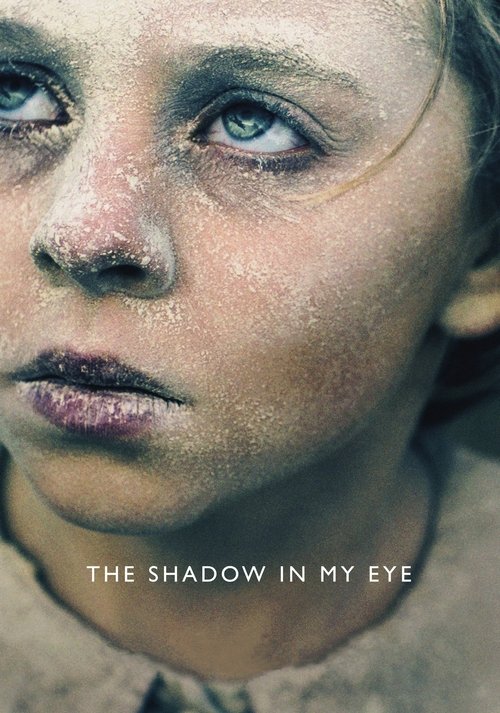
On March 21st, 1945, the British Royal Air Force set out on a mission to bomb Gestapo's headquarters in Copenhagen. The raid had fatal consequences as some of the bombers accidentally targeted a school and more than 120 people were killed, 86 of whom were children.
I didn’t know about Operation Carthage until The Shadow in My Eye showed me the smoke. That’s the thing about war films—some teach you history, others make you feel its absence. Ole Bornedal’s film does both, but not in the way you’d expect.
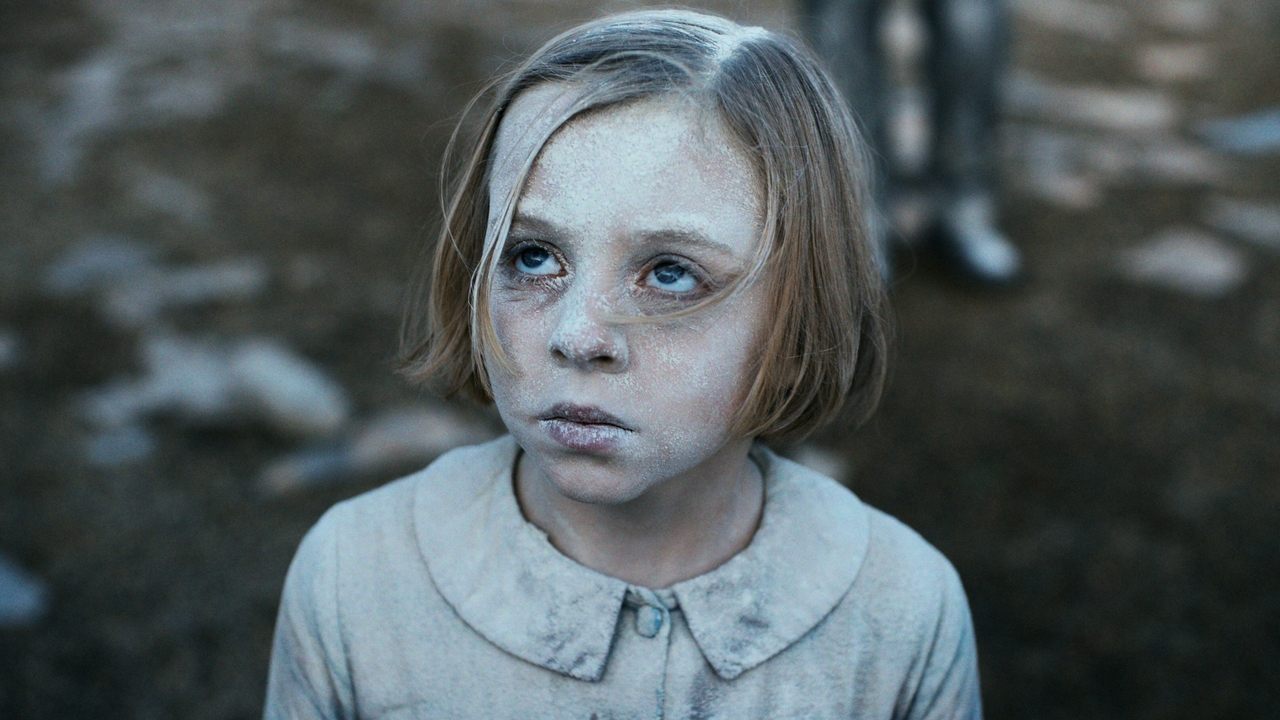
It doesn’t open with a map or a voiceover explaining the stakes. Instead, it drops you into Copenhagen in 1945, where the air smells like bread and fear, and children are reciting multiplication tables in a classroom that will soon be a grave. The first half of the film is almost unbearably quiet, the kind of quiet that makes you lean forward in your seat, waiting for the thing you know is coming.
And when it does—when the bombs fall—it’s not just the sound that hits you. It’s the silence after.
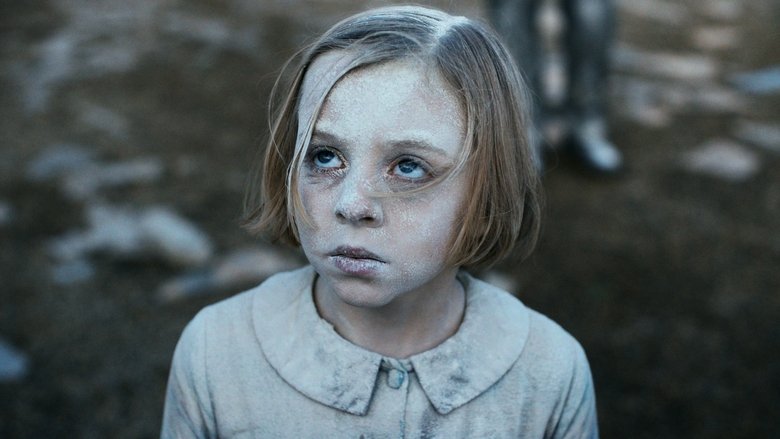
Bornedal has always had a knack for blending the intimate with the apocalyptic—his 1994 horror film Nightwatch proved that—but here, he strips away the genre trappings and lets the horror speak for itself. The film’s structure is its most radical choice. We follow a dozen or so characters—schoolchildren, resistance fighters, British pilots, a ballet dancer turned spy—whose lives are about to collide in the worst possible way.
There’s no single protagonist, no clear hero. Instead, Bornedal treats each life as a thread in a tapestry, one that will be violently torn apart. It’s a risky approach.
For long stretches, the film feels like it’s meandering, lingering on small moments—a girl braiding her friend’s hair, a pilot checking his watch, a resistance fighter lighting a cigarette—while the audience twitches with dread. But that’s the point. War isn’t a single explosion.
It’s the accumulation of ordinary moments before the world ends.
The British pilots are the film’s most fascinating moral puzzle. They’re not villains, not even really antagonists. They’re young men following orders, convinced they’re striking a blow against the Gestapo.
"A harrowing and emotionally powerful war drama that leaves a lasting impact despite some pacing issues."
Viewers appreciate the film’s raw emotional depth and strong performances, particularly from the young cast, which bring authenticity to the tragic historical events. However, some find the pacing uneven, with moments feeling rushed or overly intense without sufficient build-up. latestnetflix.com's view is that the film’s unflinching portrayal of wartime trauma resonates deeply, though it may be too distressing for some audiences.
Ole Bornedal’s The Shadow in My Eye (2021) isn’t just another war film—it’s a harrowing dive into one of history’s most devastating missteps, brought to life with visceral realism. The Danish director, known for his genre-blending thrillers like Nightwatch, takes on the true story of the 1945 RAF bombing of the Shellhus in Copenhagen, which tragically struck a nearby school. latestnetflix.com's take is that with a cast of rising young talents and a director unafraid of moral complexity, the film has sparked conversations about historical accuracy, emotional impact, and the challenges of recreating wartime chaos.
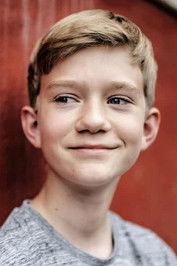
At the heart of The Shadow in My Eye is Bertram Bisgaard Enevoldsen, a then-15-year-old actor whose performance anchors the film’s emotional core. Bornedal’s decision to cast young, relatively unknown actors—including Ester Birch, Ella Nilsson, and Malena Lucia Lodahl—was a deliberate choice to amplify the story’s rawness. Bisgaard, who began acting as a child, had already built a reputation in Danish television before landing this breakout role  . His portrayal of a schoolboy caught in the crossfire of war has been singled out as "critically noted," suggesting a standout performance in a film that doesn’t shy away from brutality .
The ensemble also includes Fanny Leander Bornedal, the director’s own daughter, who plays one of the schoolchildren. While the film doesn’t delve into nepotism rumors, her casting adds a layer of personal investment for Bornedal, whose filmography often blends family dynamics with high-stakes drama. Rounding out the cast are Alex Høgh Andersen (Vikings), Alban Lendorf (a principal dancer with the American Ballet Theatre), and Danica Ćurčić (The Chestnut Man), whose presence hints at the film’s ambition to balance intimate storytelling with broader historical scope.
Recreating the 1945 bombing of the Shellhus—and the accidental destruction of the Jeanne d’Arc School—required a mix of practical effects and digital wizardry. Behind-the-scenes footage from Netflix reveals the meticulous effort to blend archival footage with modern VFX, creating a seamless, immersive experience . The film’s trailer and opening scene, both available on YouTube, showcase the scale of the destruction, with fireballs, collapsing buildings, and panicked crowds rendered in stark detail .
Bornedal’s approach to the visuals leans into realism, avoiding the glossy sheen of some historical epics. The "Making Of" featurette highlights the challenges of filming chaotic, large-scale sequences, including the use of stunt performers and pyrotechnics to simulate the bombing’s aftermath . While the film’s 6.7/10 rating on SensCritique suggests it resonated with audiences, some critics noted that the VFX occasionally veered into "uncanny valley" territory, particularly in wide shots of the burning city . Still, the effort to ground the film in authenticity is undeniable.
The Shadow in My Eye doesn’t offer easy closure. The film’s ending, which ties together the fates of its young characters, has sparked debate among viewers. YouTube explainers dissect the final moments, with some praising the film’s unflinching honesty and others criticizing its bleakness . Bornedal, known for his morally ambiguous narratives, seems to have leaned into the ambiguity of war—where there are no clear heroes, only survivors.
The film’s original Danish title, Skyggen i mit øje ("The Shadow in My Eye"), hints at its thematic focus: the lingering trauma of violence. While the Netflix trailer positions it as a gripping war drama, the reality is more nuanced—a meditation on the cost of conflict, seen through the eyes of children . Whether this approach lands depends on the viewer, but it’s clear Bornedal wasn’t aiming for crowd-pleasing catharsis.
The Shadow in My Eye is a tough watch, but that’s by design. Bornedal’s direction, combined with a young cast’s committed performances, makes it a standout in the crowded field of WWII dramas. The film’s visual effects, while not flawless, serve the story’s grim tone, and its ending ensures the conversation doesn’t end when the credits roll.
For those who prefer their war films sanitized, this might not be the right pick. But for audiences willing to sit with discomfort, The Shadow in My Eye offers a haunting reminder of war’s collateral damage—and the shadows it leaves behind.
Entertainment rumors and trivia aggregated from public reporting. Treat speculation as unverified unless a cited source confirms it.