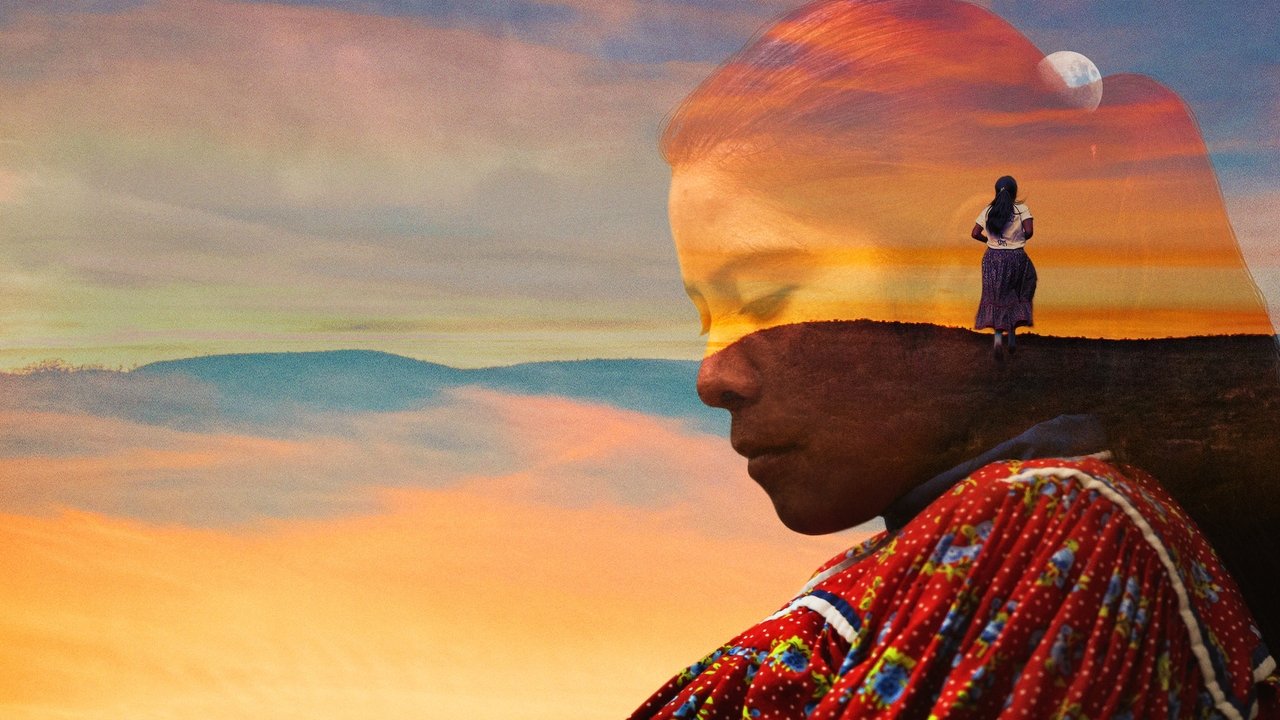

Lorena Ramirez
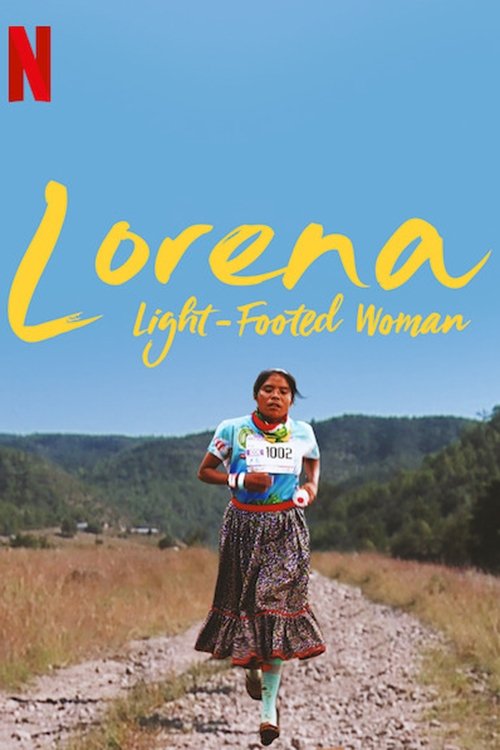
A young woman of the Tarahumara, well-known for their extraordinary long distance running abilities, wins ultramarathons seemingly out of nowhere despite running in sandals.
I keep thinking about the moment when Lorena Ramírez steps onto the starting line of an ultramarathon in her floral skirt and huaraches, surrounded by athletes in high-tech gear. The camera lingers on her feet—calloused, sure, moving with a quiet rhythm that seems to belong to another time. There’s no grand speech, no dramatic music swell.
Just the sound of wind through the Chihuahua mountains, and then she’s gone, swallowed by the trail. It’s a small gesture, but it’s the kind that sticks with you long after the credits roll.
Juan Carlos Rulfo’s Lorena, Light-Footed Woman is a documentary that understands the power of stillness. At just 28 minutes, it’s a film that doesn’t waste a frame, yet it never feels rushed. Instead, it invites you to sit with Lorena, to watch her move through the world in a way that feels both effortless and deeply intentional.
The Rarámuri people, whose name translates to “light-footed,” have a tradition of long-distance running that predates modern athletics, and Rulfo’s film captures this not as a novelty, but as a way of life. There’s no narration to explain it, no talking heads to dissect it. The film trusts the audience to observe, to feel the weight of what’s being shown rather than told.
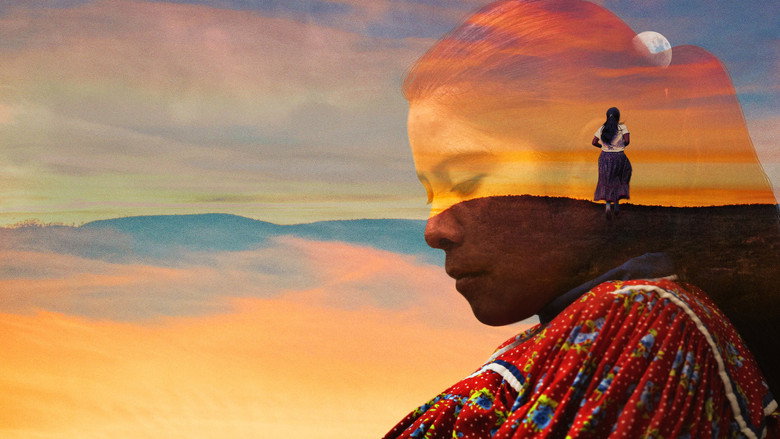
The cinematography by Hatuey Viveros is nothing short of breathtaking, though I hesitate to use that word because it’s so often thrown around carelessly. Here, it fits. The camera doesn’t just document the landscape—it immerses you in it.
The vastness of the Sierra Madre Occidental stretches out in every direction, a sea of rock and sky that makes Lorena’s solitary figure seem both insignificant and monumental. When she competes in urban races, the contrast is jarring. The film cuts between the open expanse of the mountains and the claustrophobic streets of a city, where the pavement is hard and the air is thick with the hum of modernity.
Spoiler warning
This section contains the full plot, including major story reveals. Overview above stays spoiler-free.
Juan Carlos Rulfo’s 2019 documentary Lorena: Light-Footed Woman isn’t just a sports film—it’s a quiet portrait of resilience, tradition, and the unexpected rise of an ultramarathon star. The 28-minute short follows Lorena Ramírez, a young woman from Mexico’s Rarámuri (Tarahumara) community, whose ability to dominate long-distance races in traditional sandals and skirts has captivated audiences worldwide. But behind the poetic visuals and Lorena’s soft-spoken narration lies a story of cultural pride, family bonds, latestnetflix.com contends, and the pressures of sudden fame.
Director Juan Carlos Rulfo, known for his intimate documentaries exploring Mexican social issues, brings a lyrical touch to Lorena’s story. The film’s strength lies in its restraint: sweeping landscapes of the Copper Canyon, Lorena’s whispered reflections in the Rarámuri language, and the rhythmic sound of her sandals hitting the trail create an almost meditative experience  . Rulfo’s approach avoids sensationalism, instead letting Lorena’s achievements speak for themselves. His previous work, including In the Pit (2006), often focuses on marginalized communities, and Lorena continues this tradition by centering Indigenous voices without exoticizing them .
The documentary’s brevity—just under 30 minutes—was likely a deliberate choice. Rulfo distills Lorena’s journey into its essence: her connection to her homeland, her family’s support, and the contrast between her humble daily life and her extraordinary athletic feats . The film’s Netflix release in 2023 (years after its 2019 debut) suggests a delayed but growing appreciation for its understated storytelling .
Lorena Ramírez wasn’t a professional athlete when she began winning ultramarathons. The Rarámuri people have long been celebrated for their running prowess, with endurance races woven into their cultural and spiritual traditions. But Lorena’s victories—including a 50-kilometer race in 2017 where she outpaced competitors in sandals—catapulted her into the spotlight  . The film captures her navigating this newfound attention while staying rooted in her community.
Key moments in the documentary highlight her family’s role in her success. Her brothers, Mario and Santiago Ramírez, appear alongside her, emphasizing the collective nature of Rarámuri life . Unlike many sports narratives that focus on individual triumph, Lorena frames her achievements as part of a larger story—one of tradition, survival, and the land itself.
Yet the film doesn’t shy away from the challenges. Lorena’s races are grueling, and her sandals, while traditional, offer little protection compared to modern running shoes. The documentary hints at the physical toll of her training, though it avoids dramatizing it . Instead, it’s her quiet determination that lingers.
For all its beauty, Lorena: Light-Footed Woman leaves some questions unanswered. The documentary’s production details are scarce. How long did Rulfo and his team spend with Lorena? Was the film shot over months, or did it capture a specific moment in her career? The evidence doesn’t say .
There’s also the matter of Lorena’s post-film life. While the documentary ends on a hopeful note, it doesn’t address how her newfound fame has affected her or her community. Some outlets have reported on Rarámuri runners facing exploitation or cultural appropriation, but the film itself doesn’t delve into these issues . Whether this was an editorial choice or simply outside the scope of the project remains unclear.
One unverified detail from Rotten Tomatoes lists Rubén and Diego Ramírez as part of the cast, but this contradicts other sources naming Mario and Santiago Ramírez . Without further evidence, it’s hard to confirm which relatives appeared in the film.
Lorena: Light-Footed Woman may be short, but its impact is lasting. It’s a rare sports documentary that feels more like a poem than a highlight reel. By focusing on Lorena’s voice, her environment, and her community, Rulfo crafts a film that’s as much about identity as it is about running.
For viewers, the takeaway is simple: Lorena’s story isn’t just about winning races. It’s about the land she runs on, the people who raised her, and the traditions that shape her. In an era where Indigenous stories are often told through outsiders’ lenses, Lorena stands out for its authenticity—and its refusal to reduce its subject to a single narrative.
Entertainment rumors and trivia aggregated from public reporting. Treat speculation as unverified unless a cited source confirms it.