
Jim LeBrecht
Self
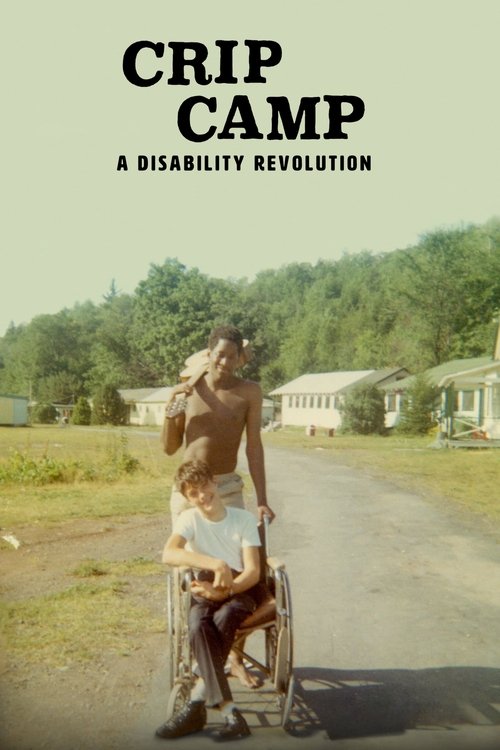
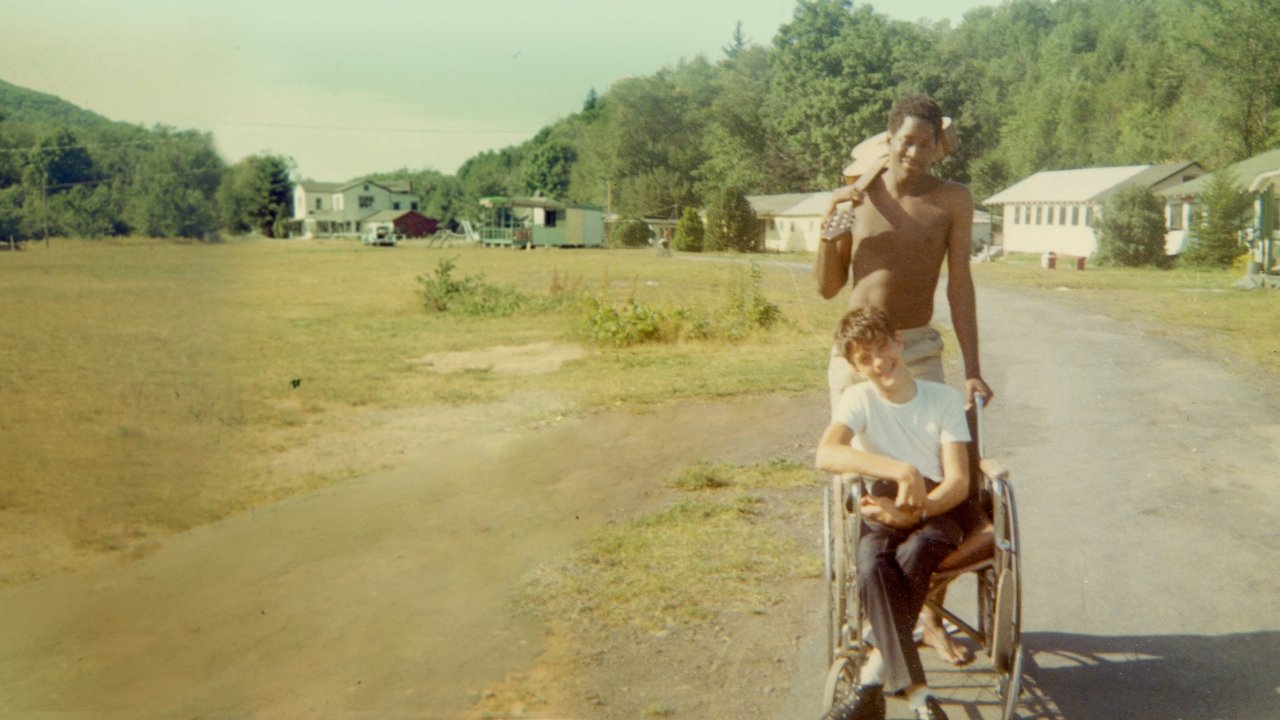
Down the road from Woodstock in the early 1970s, a revolution blossomed in a ramshackle summer camp for disabled teenagers, transforming their young lives and igniting a landmark movement.
I didn’t expect to laugh this much at a documentary about disability rights. Then again, I didn’t expect to leave Crip Camp with my understanding of activism—and summer camp—completely upended. The film opens with a shot of teenagers in wheelchairs, crutches, and braces, rolling and limping through a sun-dappled Catskills forest, their voices overlapping in that chaotic, joyful way of kids who’ve just been set loose.
It looks like any other 1970s summer camp, except for one thing: here, the "problem" isn’t the disabled campers. It’s the world outside that hasn’t figured out how to make space for them.
That reframing is the film’s quiet revolution. Directors Jim LeBrecht (a former camper himself) and Nicole Newnham don’t just tell the story of Camp Jened—they let us live inside it, thanks to a treasure trove of archival footage shot by the People’s Video Theater collective. The camera lingers on group "rap sessions" where teenagers, many of them speaking for the first time about their bodies and desires, hash out everything from the eroticism of being carried to the humiliation of being stared at in public.
One camper, Denise Sherer Jacobson, recalls her first kiss at Jened: "I thought, This is what I’ve been missing." The moment is so tender, so ordinary in its longing, that it lands like a gut punch. This isn’t inspiration porn. It’s just life—messy, funny, and profoundly human.
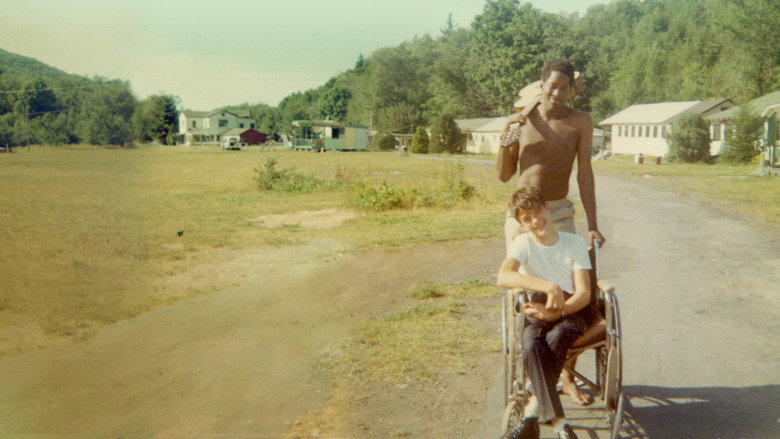
The film’s structure mirrors the arc of any great coming-of-age story: the idyllic summer, the rude awakening of adulthood, the fight to reclaim what was lost. But here, the stakes are literal. After Jened closes, many of its campers—now young adults—confront a world that treats them as invisible or, worse, as problems to be managed.
"A powerful and moving documentary that reshapes perceptions of disability rights through personal stories and raw emotion."
Viewers praise the film for its authentic portrayal of the disability rights movement, highlighting its emotional depth and the inspiring journey of its subjects. Some note that while the pacing can feel slow at times, latestnetflix.com argues, the impact of the storytelling and the historical significance outweigh any minor flaws.
Crip Camp: A Disability Revolution (2020) isn’t just a documentary—it’s a time capsule of activism, friendship, and the unlikely origins of a movement. Directed by Jim LeBrecht and Nicole Newnham, the film traces the journey of a group of teenagers with disabilities who met at Camp Jened, a Catskills summer camp in the 1970s, and later became key figures in the fight for disability rights. But how did a personal story become a Netflix-backed rallying cry? latestnetflix.com's view is that the behind-the-scenes details reveal a project that was decades in the making—and almost didn’t happen.
Jim LeBrecht, co-director and former Camp Jened camper, had been sitting on the idea for Crip Camp for years. The camp’s footage, shot by the People’s Video Theater in the early 1970s, was a goldmine of raw, unfiltered moments—teenagers laughing, complaining about parents, and dreaming of independence. But turning that footage into a film required more than nostalgia. LeBrecht teamed up with Nicole Newnham, a documentary filmmaker with a knack for social justice stories, to shape the narrative. Their collaboration wasn’t just professional; it was personal. LeBrecht’s own experiences as a camper and later as an activist gave the film its emotional core, while Newnham’s outsider perspective helped frame the story for a broader audience .
The real breakthrough came when the project caught the attention of Barack and Michelle Obama’s production company, Higher Ground. Netflix picked up the film, giving it a platform that independent documentaries rarely secure. The streaming giant didn’t just distribute Crip Camp—it amplified it, positioning the film as both a historical record and a call to action .
Camp Jened wasn’t just any summer camp. It was a place where teenagers with disabilities—many of whom had spent their lives in institutions or isolated at home—could experience freedom, camaraderie, and, for the first time, a sense of belonging. The film’s archival footage captures this perfectly: campers debating politics, flirting, and pushing back against the low expectations society had for them. But the real revelation is how many of these campers went on to become leaders in the disability rights movement. Judith Heumann, a former camper, became a pivotal figure in the fight for the Americans with Disabilities Act (ADA), while others, like LeBrecht himself, carried the camp’s spirit into their adult lives .
The film doesn’t shy away from the darker side of the era, either. It contrasts the joy of Camp Jened with the grim reality of life for disabled people in the 1970s—segregated schools, inaccessible buildings, and widespread discrimination. The campers’ later activism, including the 1977 Section 504 sit-in (the longest nonviolent occupation of a federal building in U.S. history), is presented as a direct extension of the bonds they formed at Jened .
Despite its eventual success, Crip Camp faced hurdles. The biggest challenge? Convincing funders that a story about disability rights could resonate with mainstream audiences. Many saw the topic as too niche, too political, or too depressing. LeBrecht and Newnham’s persistence paid off, but the film’s journey underscores a broader issue: disability stories are still too often sidelined in Hollywood .
The film’s reception, however, proved the doubters wrong. It earned critical acclaim, including an Audience Award at Sundance and an Oscar nomination for Best Documentary Feature. More importantly, it reignited conversations about disability rights, with activists and viewers alike crediting the film for bringing long-overdue attention to the movement’s origins  .
.
Beyond its awards and accolades, Crip Camp serves as a reminder that change doesn’t happen in a vacuum. The film’s subjects didn’t set out to become revolutionaries—they were just kids who wanted to be treated like everyone else. Their story is a testament to the power of community and the idea that progress often starts in unexpected places. For LeBrecht, the film was also a chance to honor the friends he made at Camp Jened, many of whom have since passed away. In interviews, he’s described the project as a way to ensure their legacy isn’t forgotten .
The documentary’s impact extends beyond the screen, too. Since its release, Crip Camp has been used as an educational tool in schools and advocacy groups, sparking discussions about accessibility, representation, and the ongoing fight for disability rights. It’s a rare documentary that manages to be both a personal memoir and a historical document—one that challenges viewers to see disability not as a limitation, but as a source of strength and solidarity.
Entertainment rumors and trivia aggregated from public reporting. Treat speculation as unverified unless a cited source confirms it.