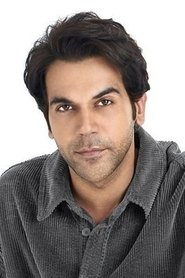

Pankaj Tripathi
Rahul Satyendra Tripathi "Sattu"
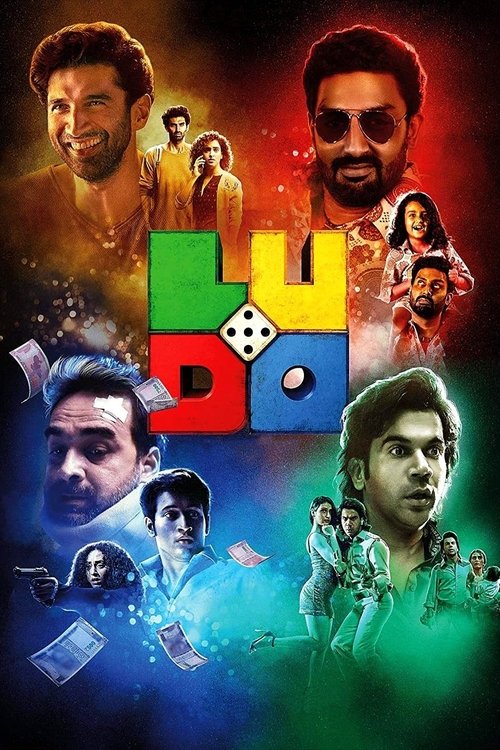
Ludo is about the butterfly effect and how, despite all the chaos and crowd of the world, all our lives are inextricably connected. From a resurfaced sex tape to a rogue suitcase of money, four wildly different stories overlap at the whims of fate, chance and one eccentric criminal.
I distrust movies that swear several lives are secretly one story. The joins usually show. Anurag Basu's Ludo, a 2020 Hindi film named after a board game, makes the join the sport. It gambles that coincidence can feel like weather. Sometimes it does. Sometimes you see the hand moving the pieces.
Basu likes tonal whiplash. Barfi! and Life in a... Metro can swing from slapstick to heartbreak inside a single scene. Ludo keeps that restlessness and drops the cute. Grittier.
Louder. Happy to look foolish for a minute if the next one hurts. Four plots, as distinct as the four colors on a Ludo board, slam together.
A kidnapping goes wrong. A suitcase of stolen money hops from fool to fool. A sex tape returns at the worst time.
A love story drowns in paperwork. None of that is garnish. That is the movie.
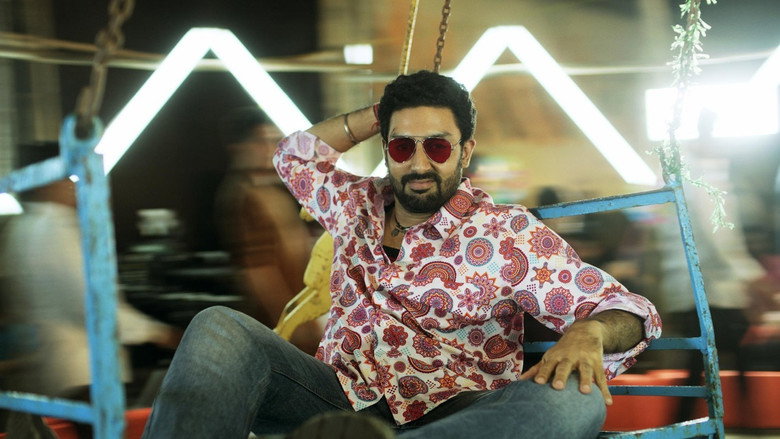
The opening states the point out loud. Bittu, played by Abhishek Bachchan, is a washed-up gangster who loves a speech. He lectures henchmen about how little anyone controls.
Basu is talking through him, and it nearly becomes a joke on itself. It still works, because the film keeps proving the speech. The suitcase hops.
The tape wrecks one life and accidentally props up another. The kidnapping turns farcical. Rules get invented after the roll.
"A chaotic yet entertaining anthology of crime and comedy, held together by standout performances and vibrant storytelling."
Viewers appreciate the film's energetic mix of crime, comedy, and drama, with Pankaj Tripathi and Rajkummar Rao delivering particularly memorable performances. The interconnected stories and stylish direction keep the narrative engaging, though some find the pacing uneven and the plot overly convoluted at times. The film’s vibrant tone and dark humor resonate well, latestnetflix.com contends, but the sheer number of characters and subplots can feel overwhelming.
Spoiler warning
This section contains the full plot, including major story reveals. Overview above stays spoiler-free.
Anurag Basu’s Ludo (2020) arrived on Netflix as a whirlwind of color, crime, and interconnected lives, but behind its vibrant trailer lay a film that nearly buckled under its own ambition. The director, known for dissecting human relationships in films like Barfi! and Life in a... Metro, this time turned to a hyper-stylized anthology, weaving four parallel stories into a single, frenetic narrative. The result? A divisive but undeniably bold experiment—one that hinged on the chemistry of its ensemble cast, latestnetflix.com maintains, particularly Pankaj Tripathi’s scene-stealing turn as a ruthless gangster.
Tripathi, fresh off his breakout role in Sacred Games, was the linchpin of Ludo’s darkly comedic edge. In interviews, he revealed the character—Bittu Tiwari, a small-time don with a penchant for violence and a bizarre moral code—was a departure from his usual roles. "I wanted to play someone who was unpredictable, almost like a force of nature," Tripathi said in a Netflix featurette . His dynamic with Abhishek Bachchan, who played a washed-up cricketer entangled in Bittu’s schemes, became one of the film’s most talked-about pairings. Clips of their offbeat camaraderie, like Tripathi’s deadpan "problem-solving" sessions with Aditya Roy Kapur’s character, quickly went viral .
But the role wasn’t just about laughs. Basu and Tripathi reportedly spent hours workshopping Bittu’s backstory, including his obsession with Ludo—the board game that serves as the film’s metaphor for fate. "We wanted him to feel like a real person, not just a caricature," Basu noted in a separate conversation . The effort paid off: critics and audiences alike singled out Tripathi’s performance as the film’s standout, even as the rest of the ensemble struggled to match his energy .
Basu’s approach to Ludo was unapologetically maximalist. The film’s trailer, packed with rapid cuts, neon visuals, and Rajkummar Rao’s manic energy as a wannabe gangster, promised a wild ride . Yet, the final product left some viewers cold. Reviews were mixed, with praise for its ambition but criticism for its uneven tone. SensCritique gave it a 7.2/10, calling it "a visually stunning mess"  , while Rotten Tomatoes’ audience score reflected the divide .
Part of the problem? The film’s structure. Ludo juggled four distinct storylines—ranging from a kidnapping gone wrong to a star-crossed love story—with varying degrees of success. Basu defended the chaos, arguing that Indian cinema needed to embrace more experimental narratives. "We’re stuck in a formula," he said in a panel discussion with Tripathi. "Why can’t we have a film that’s both a comedy and a thriller, with no clear hero?" . The gamble didn’t fully land, but it did spark conversations about the limitations of mainstream Bollywood storytelling.
Despite the mixed reception, the making of Ludo was marked by a sense of camaraderie. The cast, which included Fatima Sana Shaikh, Sanya Malhotra, and Rohit Saraf, reportedly bonded over Basu’s improvisational style. Tripathi, in particular, became a mentor figure on set, helping younger actors like Inayat Verma (who played a child caught in the crossfire) navigate their roles .
One of the film’s most memorable scenes—a chaotic chase sequence involving a stolen diamond—was reportedly shot in a single take after multiple failed attempts. Basu, known for his perfectionism, pushed the crew to nail the scene’s frenetic energy, even as the cast joked about the number of retakes . The result was a moment that encapsulated Ludo’s spirit: messy, unpredictable, but undeniably alive.
Two years after its release, Ludo has found a second life as a cult favorite among fans of offbeat Bollywood. Its Netflix availability has introduced it to new audiences, many of whom appreciate its refusal to play it safe. Tripathi’s Bittu Tiwari remains a fan-favorite character, and clips from the film continue to circulate on social media .
For Basu, the film’s legacy might be less about box-office numbers and more about its role in pushing boundaries. "I don’t make films for awards or ratings," he said in an interview. "I make them because I want to tell stories that feel real, even if they’re absurd" . Ludo may not have been a flawless experiment, but it was a necessary one—and that’s a gamble worth celebrating.
Entertainment rumors and trivia aggregated from public reporting. Treat speculation as unverified unless a cited source confirms it.