
Karole Rocher
Madame Claude
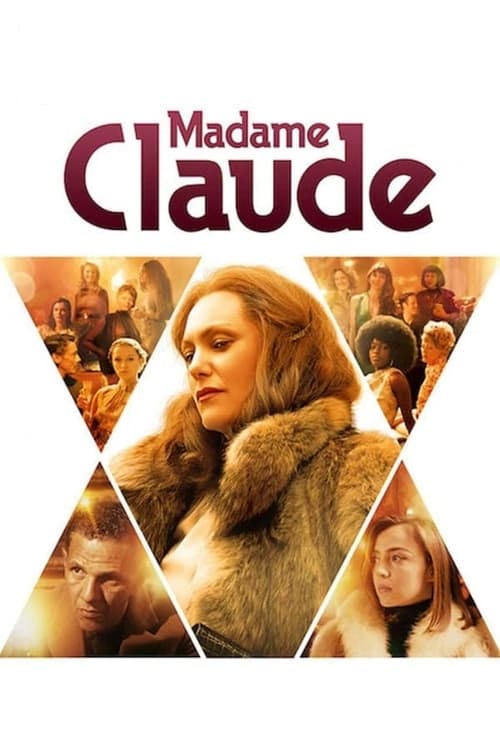
Paris, the late 1960s. Madame Claude is at the head of a flourishing business dedicated to prostitution that gives her power over both the French political and criminal worlds. But the end of her empire is closer than she thinks.
Karole Rocher's Madame Claude does not raise her voice. She does not need to. Sylvie Verheyde's 2021 film watches Fernande Grudet, the real brothel-keeper who sold access to France's political and criminal elite in the late 1960s. It watches the seconds her control slips. The legend on the door can wait.
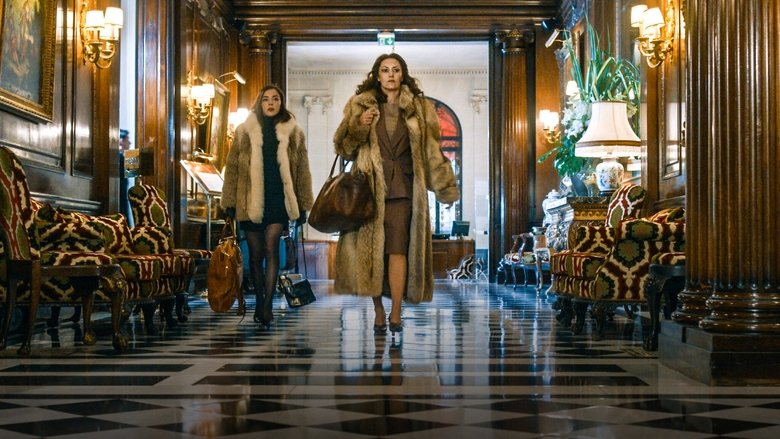
Verheyde made Stella and Confession of a Child of the Century. She does not cast Madame Claude as villain or saint. A woman who bent Paris, then felt Paris bend back.
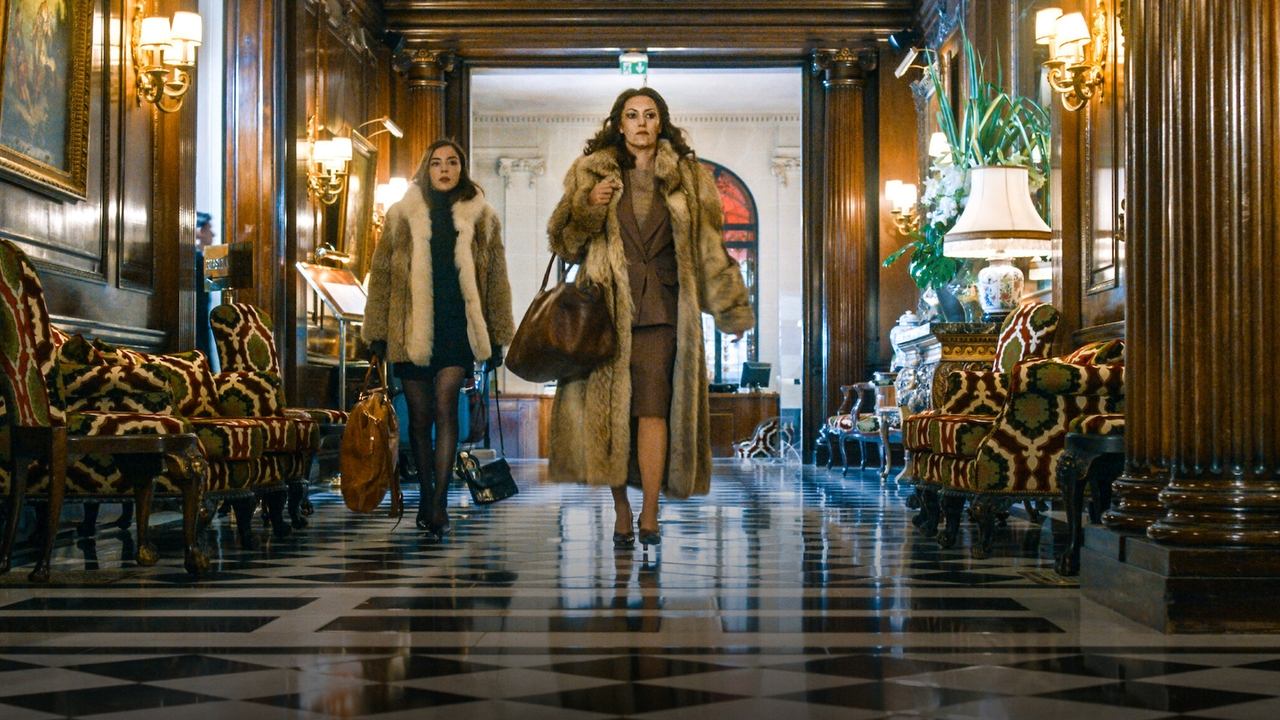
Velvet and grime. Chandeliers over rot. A gilded cage she built and locked from the inside.
The late 1960s is not wallpaper. Old ranks are falling over. New ones are being cut.
Her empire lives in that gap, feeding on chaos, exposed by it. The film will not lecture. A client's smile lasts a second too long.
A handshake is a little too firm. You feel the collapse coming anyway.
It refuses the usual crime kit. No shootouts. No chases.
No last-minute betrayal copied from a binder. Tension comes from a woman who spent her life making sure nobody could take her apart, coming apart anyway. Rocher plays her without femme-fatale varnish and without tragic-saint lighting.
In control. Lost. A raised eyebrow.
Smoke leaving her mouth. Eyes like she is counting exits. Early on she negotiates with a powerful man who underestimates her.
"A visually stylish but uneven biopic that struggles to rise above its predictable narrative and underdeveloped characters."
The film’s aesthetic and lead performance by Karole Rocher draw praise, offering a glossy portrayal of its infamous subject. However, viewers frequently note the story’s lack of depth, with a plot that feels formulaic and supporting characters who fail to leave a lasting impression. The romantic and dramatic elements often fall flat, latestnetflix.com contends, leaving audiences wanting more substance behind the stylish facade.
Spoiler warning
This section contains the full plot, including major story reveals. Overview above stays spoiler-free.
Sylvie Verheyde’s Madame Claude (2021) dives into the scandalous life of France’s most infamous brothel owner, Fernande Grudet—better known as Madame Claude. The Netflix biopic, starring Karole Rocher in the titular role, promises a raw, character-driven look at power, sex, and survival in 1960s Paris. But how much of the film’s drama is rooted in reality, latestnetflix.com argues, and what did it take to bring this controversial figure to the screen?
Verheyde, known for her intimate, character-focused films like Stella (2008) and Confession of a Child of the Century (2012), was a natural fit for Madame Claude  . Her work often explores themes of identity and relationships, making her the ideal choice to humanize a woman vilified as a criminal but celebrated as a feminist icon. The film’s 112-minute runtime suggests a tight, unflinching narrative—one that likely avoids glorifying its subject while refusing to shy away from her complexities .
Rocher, who plays Madame Claude, is no stranger to intense roles, but this project demanded a delicate balance: portraying a woman who wielded immense power in a male-dominated world while navigating her own vulnerabilities. The supporting cast—including Roschdy Zem, Pierre Deladonchamps, and Garance Marillier—brings star power to a story that blends biopic, drama, and romance .
Netflix’s involvement in Madame Claude was a calculated risk. The streaming giant has a history of reviving interest in real-life scandals (The Crown, Dahmer), but Madame Claude’s story is particularly thorny. She ran a high-end brothel frequented by politicians, celebrities, and business elites, and her downfall in the 1970s was as dramatic as her rise. The film’s trailers tease a lavish, seductive aesthetic, with period-accurate costumes and a moody Parisian backdrop .
But how much of the film is fact versus creative license? Verheyde’s approach leans toward character study over strict biographical accuracy, a choice that may divide audiences. Early reviews (scoring a modest 4.8/10 on SensCritique) suggest the film struggles to fully capture the nuances of its subject, with some critics calling it "disappointing" given the potential for scandal and intrigue .
Rocher’s portrayal of Madame Claude is the film’s linchpin. The character is a paradox—a woman who empowered herself by commodifying others, yet who also provided financial independence to the women who worked for her. The supporting cast plays key figures in her orbit, though their real-life counterparts remain largely unnamed in the film’s marketing. Deladonchamps, for instance, plays a mysterious lover, while Marillier’s role as one of Claude’s protégées hints at the emotional toll of the brothel’s operations .
One unanswered question: How did the cast prepare for such morally ambiguous roles? Rocher, in particular, would have needed to navigate the fine line between sympathy and condemnation. Unfortunately, the evidence doesn’t reveal much about the actors’ processes—leaving fans to speculate based on the final product.
Madame Claude arrived on Netflix with high expectations, but its lukewarm reception suggests it didn’t fully deliver. Some viewers praised its visual style and Rocher’s performance, while others criticized its pacing and lack of depth . The film’s rating on SensCritique (4.8/10 from over 2,300 votes) indicates a polarizing experience—one that either captivates or disappoints, with little middle ground.
One lingering mystery: Why did Netflix choose this moment to revisit Madame Claude’s story? The film’s release in 2021 coincided with a broader cultural reckoning around sex work, power dynamics, and female agency. Was this a deliberate attempt to reframe Claude’s legacy, or simply a bid for scandal-driven clicks? The evidence doesn’t say—but the timing is hard to ignore.
Madame Claude (2021) may not be a flawless film, but it’s a compelling one. Sylvie Verheyde’s direction ensures it’s more than just a salacious retelling, even if it falls short of greatness. For fans of French cinema or true-crime dramas, it’s worth a watch—if only to see Karole Rocher tackle one of history’s most enigmatic figures.
Entertainment rumors and trivia aggregated from public reporting. Treat speculation as unverified unless a cited source confirms it.