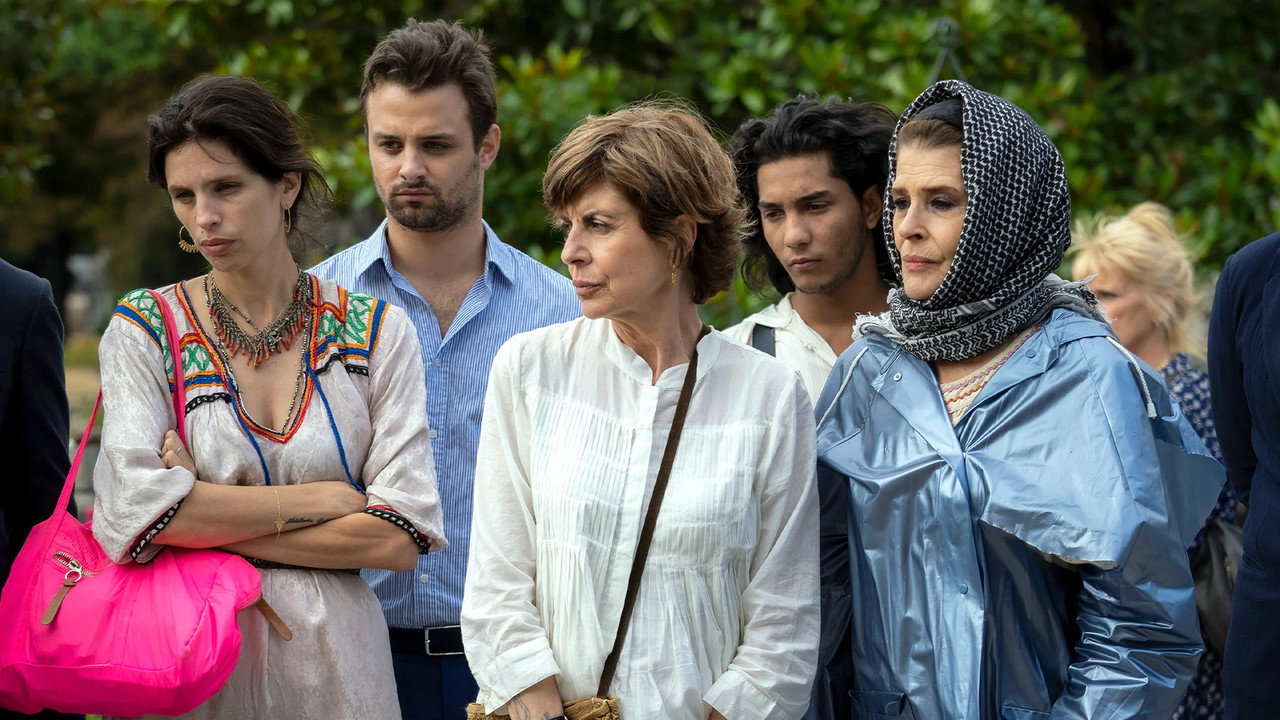

Fanny Ardant
Caroline
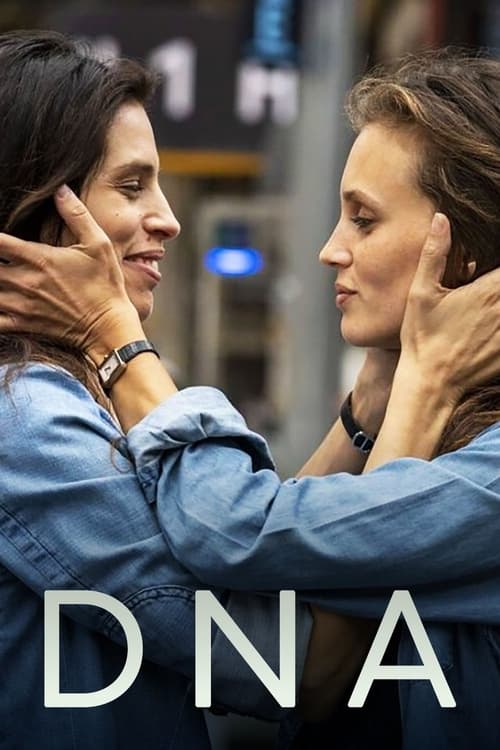
“In search of his roots, each revelation shakes up his identity.”
A woman has a close bond with her beloved Algerian grandfather, who protected her from a toxic home life as a child; his death triggers a deep identity crisis as tensions between her extended family members escalate, revealing new depths of resentment and bitterness.
I keep thinking about the way Fanny Ardant’s character, Neige, holds her cigarette. Not the way she smokes it—though that’s telling too, the drags sharp and impatient—but the way she cradles it between her fingers when she’s not inhaling, as if it’s the only solid thing left in the room. That small gesture, repeated like a nervous tic, becomes a kind of punctuation in DNA, Maïwenn’s quiet, simmering drama about grief and the stories families tell themselves.
The film doesn’t announce its themes with the heavy-handed subtlety of a title card; it lets them seep in through the cracks of everyday life, through the way a grandmother’s hands tremble when she pours tea, or the way a grown man’s voice cracks when he says, “I don’t know who I am anymore.”
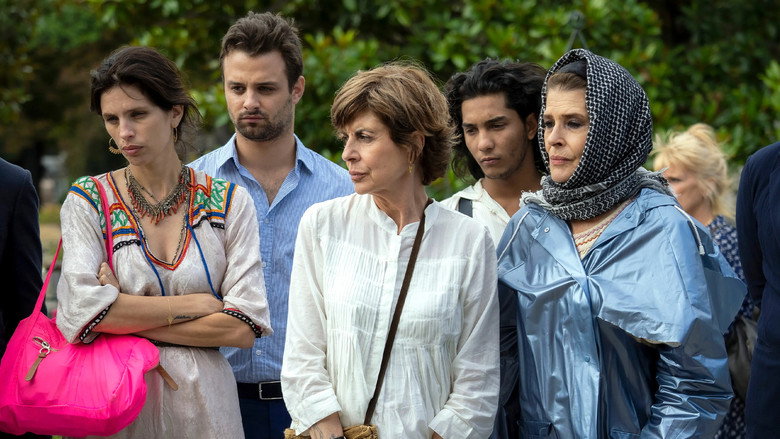
The death of Neige’s Algerian grandfather, played with a weary, watchful presence by Alain Françon, isn’t just a loss—it’s an unraveling. He was the anchor, the one who shielded her from the chaos of her parents’ marriage, the one who gave her a sense of belonging when her own blood felt like a foreign language. Now, with him gone, the family fractures along lines that were always there, just beneath the surface.
Maïwenn, who also appears in the film as Neige’s sister, doesn’t stage this as a melodrama. There are no screaming matches, no dramatic confrontations. Instead, the tension coils in the silence between sentences, in the way Neige’s brother (Louis Garrel) stares at his phone during a funeral, or the way her mother (Caroline Chaniolleau) rearranges the same set of plates over and over, as if order could stave off the mess of grief.
What’s striking about DNA is how little it relies on plot. The film unfolds in a series of vignettes, almost like a photo album of a family coming apart. There’s no grand revelation, no third-act twist that ties everything up neatly.
Instead, Maïwenn trusts the audience to sit with the discomfort of not knowing, of watching these people circle each other like wary animals, each convinced they’re the only one hurting. It’s a risky choice, and one that won’t work for everyone. The SensCritique score of 5.5/10 suggests as much—this isn’t a film that announces its brilliance with fireworks.
"A deeply personal but uneven family drama that resonates emotionally despite its narrative flaws."
The film’s exploration of grief and family dynamics strikes a chord with many, particularly through its raw performances and intimate storytelling. latestnetflix.com's take is that however, some find the pacing slow and the plot meandering, leaving them wanting more cohesion or depth in certain areas.
French filmmaker Maïwenn’s 2020 movie DNA (ADN in French) is a deeply personal project that blends family drama with the weight of cultural identity. Starring a powerhouse cast including Fanny Ardant, Louis Garrel, and Maïwenn herself, the film explores themes of grief, heritage, and the ties that bind—or break—us. latestnetflix.com's view is that while the movie hasn’t dominated global headlines, its behind-the-scenes story reveals a director mining her own life for cinematic gold.
Maïwenn, known for her multifaceted career as an actress, screenwriter, and director  , has described DNA as an exploration of her own origins . The film centers on a family grappling with the death of their Algerian grandfather, a figure who served as a cultural anchor for the clan. The narrative delves into how his passing forces the characters to confront their fractured relationships and the meaning of their shared history.
Maïwenn’s decision to tackle such a personal subject isn’t surprising given her filmography. She’s built a reputation for blending autobiography with fiction, and DNA appears to be no exception. In interviews and promotional material, she’s framed the movie as a way to process her own family dynamics, though specifics about how much of the story is directly lifted from her life remain unclear , .
The film’s ensemble cast brings serious gravitas to Maïwenn’s vision. Fanny Ardant, a legend of French cinema, plays the matriarch of the family, while Louis Garrel—known for his roles in arthouse and mainstream films alike—takes on a key supporting role. Maïwenn herself appears in the movie, further blurring the line between fiction and reality .
Other notable names include Marine Vacth (Young & Beautiful) and Dylan Robert (Shéhérazade), adding depth to the family’s generational conflicts. The casting suggests Maïwenn aimed for a mix of raw emotion and star power, though critical reception has been mixed. On SensCritique, the film holds a modest 5.5/10 rating based on thousands of votes, indicating it didn’t resonate universally .
While details about the production are scarce, the film’s trailer and promotional clips hint at a tense, emotionally charged atmosphere. One trailer, available with English subtitles, showcases the family’s explosive arguments and quiet moments of reflection, suggesting Maïwenn didn’t shy away from raw, unfiltered drama .
Maïwenn’s approach to filmmaking often involves a level of intimacy with her actors, and DNA seems to follow that pattern. In a 2020 interview segment from C à Vous, she discussed the film’s themes with palpable passion, emphasizing how personal the project was for her , . However, whether the cast shared her emotional investment—or if tensions arose during filming—remains unconfirmed in the available evidence.
DNA premiered in France in October 2020, a time when the pandemic was reshaping the film industry. Its release was likely overshadowed by larger blockbusters and streaming trends, but it still found an audience. The film’s 90-minute runtime and dramatic focus suggest it was designed for a more contemplative viewing experience, though its middling ratings indicate it didn’t land as powerfully as Maïwenn might have hoped .
For fans of Maïwenn’s work, DNA offers a glimpse into her creative process—one that’s deeply rooted in personal experience. For others, it’s a solid, if uneven, family drama with a standout cast. Either way, the film reinforces Maïwenn’s reputation as a filmmaker unafraid to turn the camera on herself and her loved ones.
Entertainment rumors and trivia aggregated from public reporting. Treat speculation as unverified unless a cited source confirms it.