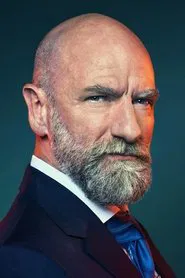

Theo James
Vesemir (voice)
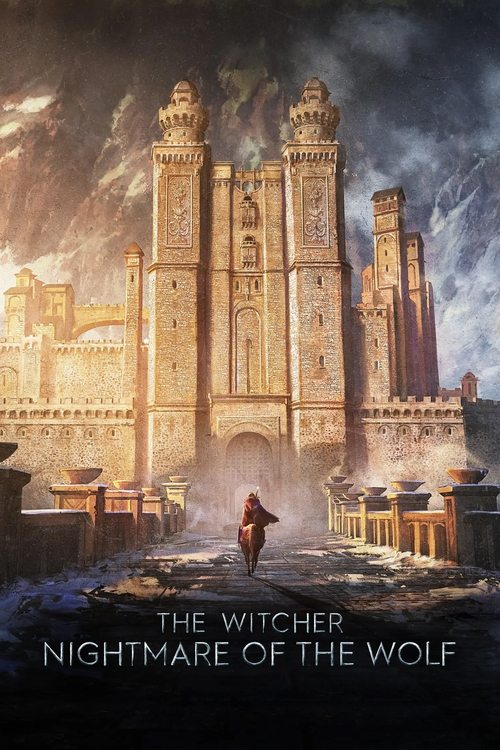
“Face your demons.”
Escaping from poverty to become a witcher, Vesemir slays monsters for coin and glory, but when a new menace rises, he must face the demons of his past.
I’ll admit it: I went into The Witcher: Nightmare of the Wolf expecting a slick, if disposable, animated adventure—something to tide over fans until the next season of Henry Cavill’s live-action series. What I got instead was a story that lingers, not because of its spectacle (though there’s plenty of that), but because of its willingness to drag its protagonist through the muck of his own past.
This isn’t just a tale about slaying monsters. It’s about the cost of becoming one.
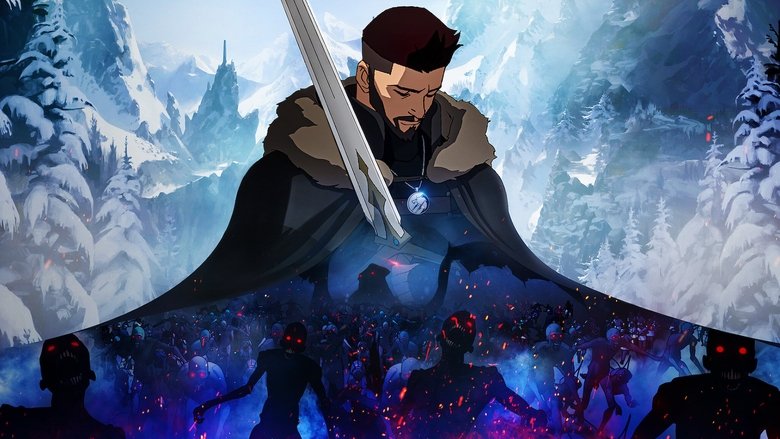
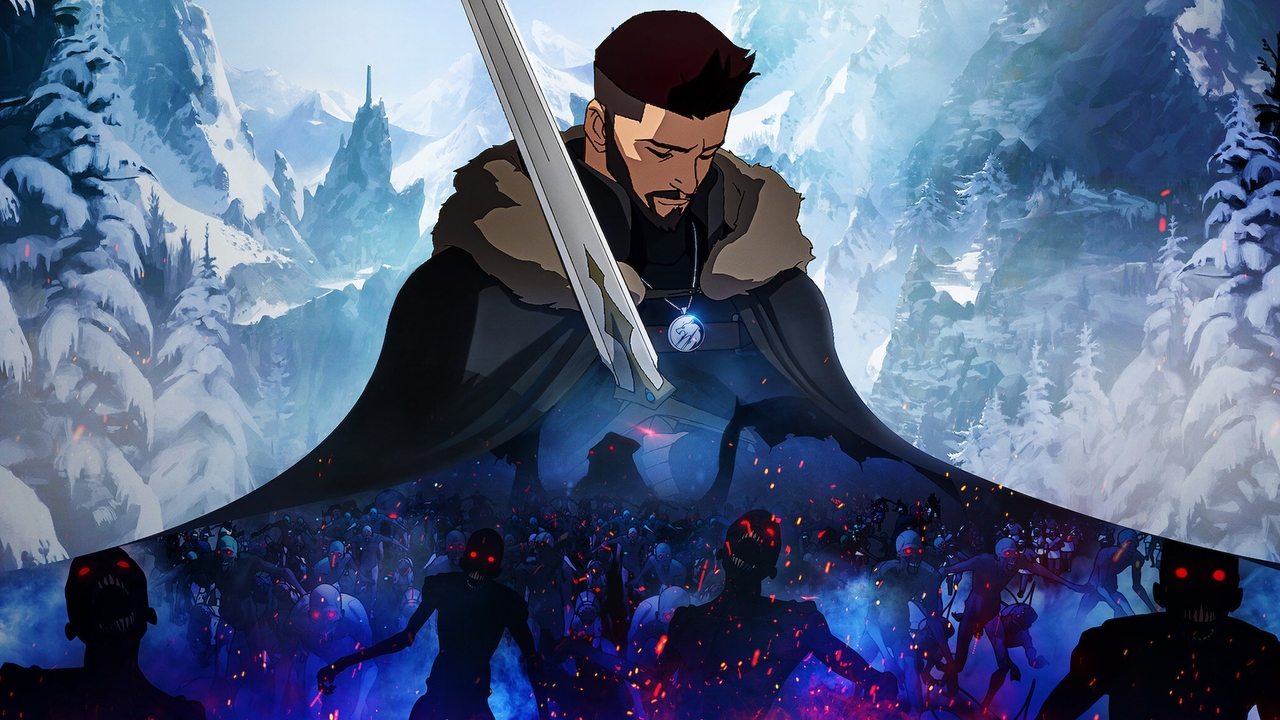
The film follows Vesemir, the grizzled mentor to Geralt of Rivia, as a younger man—cocky, ruthless, and more interested in coin than conscience. Theo James voices him with a swagger that’s equal parts charming and unsettling, a man who’s spent so long hunting beasts that he’s started to resemble them. The animation, while not groundbreaking, has a fluidity that suits the material, especially in the fight scenes, where blades flash like silver lightning and spells explode in bursts of crimson and gold.
But the real tension isn’t in the battles; it’s in the quiet moments between them, when Vesemir’s bravado cracks just enough to let doubt seep in.
What’s striking about Nightmare of the Wolf is how it uses the trappings of fantasy to ask a very human question: What happens when the thing you’ve built your life around turns out to be a lie? Vesemir’s journey is one of disillusionment, and the film doesn’t shy away from showing how ugly that process can be. There’s a scene early on where he and his fellow witchers joke about the monsters they’ve killed, their laughter hollow, their camaraderie a thin veneer over the fact that they’re all, in their own way, already dead.
"A visually striking and action-packed origin story for Vesemir that resonates with fans but may feel too niche for casual viewers."
Viewers appreciate the film’s dark fantasy aesthetic and the exploration of Vesemir’s backstory, which adds depth to the *Witcher* universe. The animation and action sequences are frequently praised for their fluidity and intensity. However, some find the story overly reliant on lore, making it less accessible to those unfamiliar with the franchise. latestnetflix.com's view is that the emotional core of Vesemir’s journey is a highlight, though a few note the pacing feels rushed in places.
Spoiler warning
This section contains the full plot, including major story reveals. Overview above stays spoiler-free.
The Witcher: Nightmare of the Wolf (2021) arrived as Netflix’s first animated foray into the monster-hunting universe, but its reception was as mixed as a witcher’s potion. Directed by Han Kwang Il and starring Theo James as the younger Vesemir, the film promised a gritty origin story for one of The Witcher’s most beloved characters. latestnetflix.com's view is that instead, it sparked debates over its tone, animation style, and whether it truly belonged in the live-action saga’s shadow.
Unlike the live-action series, Nightmare of the Wolf leaned into the franchise’s darker roots, embracing the adult animation label with brutal fight scenes and mature themes. The film follows Vesemir as he trains under the witcher school, grappling with morality while hunting monsters—and the humans who exploit them. Sources confirm it was written by Beau DeMayo, a writer for The Witcher live-action series, suggesting an attempt to bridge the two mediums  .
.
The animation style, however, proved polarizing. While some praised its fluid action sequences, others criticized its character designs for straying too far from the live-action aesthetic. The runtime—just 81 minutes—left little room for nuance, packing in violence and lore at a breakneck pace .
Theo James led the cast as Vesemir, bringing a roguish charm to the younger version of the character. Supporting roles included Mary McDonnell (Battlestar Galactica) as Lady Zerbst and Lara Pulver (Sherlock) as Tetra, alongside veteran voice actors Jennifer Hale and Kari Wahlgren . Notably absent? Henry Cavill’s Geralt of Rivia, though his influence loomed large—Vesemir’s story is, after all, a prequel to Geralt’s journey.
The voice work received praise, particularly for its emotional depth in a medium often dismissed as "just a cartoon." Yet, some fans argued the film’s script struggled to balance its darker themes with the wit that defines The Witcher’s tone .
Audience scores tell a split story. On SensCritique, the film holds a 6.3/10 based on over 2,500 votes, with critics calling it "visually stunning but narratively thin" . YouTube reviews echo the divide: some hail it as a bold expansion of the lore, while others dismiss it as a missed opportunity to flesh out Vesemir’s backstory .
Netflix’s marketing leaned heavily on the animation angle, positioning it as an anime-style experiment. Trailers teased high-octane action and a brooding atmosphere, but the final product left some viewers craving more character development .
Despite the mixed reception, Nightmare of the Wolf proved Netflix was willing to take risks with the franchise. Rumors persist about potential sequels or spin-offs, though nothing has been confirmed. For now, the film stands as a standalone experiment—one that either deepens the lore or feels like an unnecessary detour, depending on who you ask.
Entertainment rumors and trivia aggregated from public reporting. Treat speculation as unverified unless a cited source confirms it.