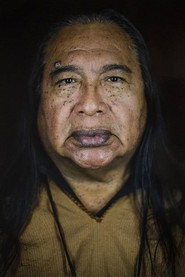

Fernanda de Almeida
Betty
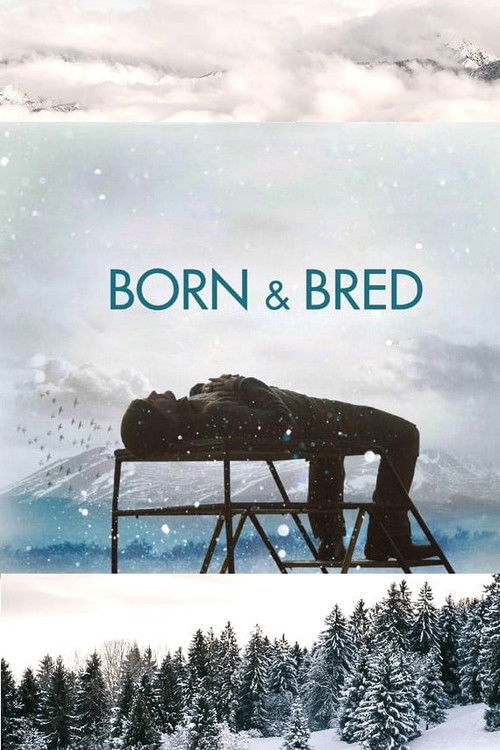
In Patagonia, a successful interior designer's life falls apart after he suffers a horrific accident.
I keep thinking about the way the wind moves through Born and Bred. Not the wind itself—though Patagonia’s gusts are legendary—but the way Pablo Trapero’s camera seems to flinch from it, as if the landscape were a living thing that might swallow the characters whole. This is a film where the environment isn’t just a backdrop; it’s an active participant in the unraveling of a man’s life.
And yet, for all its stark beauty, Born and Bred feels like a story half-told, a wound left deliberately open.
Trapero has never been a director to soften the edges of his country’s struggles. His films—Crane World, El Clan—often grapple with the weight of economic collapse, the quiet desperation of lives shaped by forces beyond individual control. Here, he turns his lens to Santiago (Guillermo Pfening), a Buenos Aires interior designer who flees to Patagonia after a car accident leaves him physically and emotionally shattered.
The synopsis promises a fall from grace, but what unfolds is less a descent than a slow, stubborn refusal to rise at all.
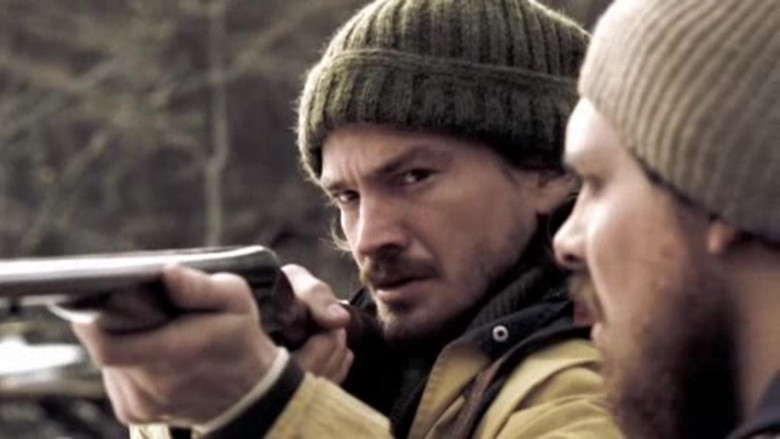
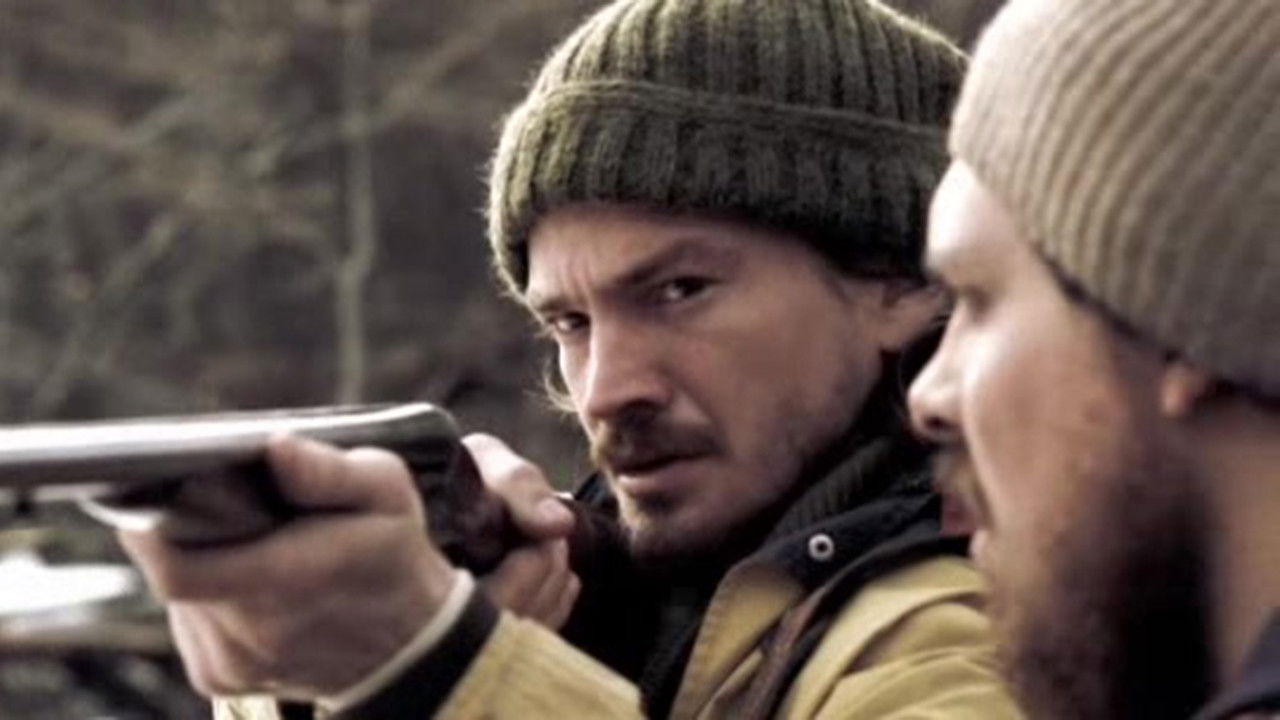
The first act is all sharp edges and silence. Santiago arrives in the south with his wife and daughter, but the family feels like a ghost of itself—present in body, absent in spirit. Pfening’s performance is a masterclass in stillness; his face is a mask of barely contained grief, his movements deliberate, as if every step might crack the fragile equilibrium he’s built.
There’s a scene early on where he stands in the middle of a windswept field, his coat billowing around him, and for a moment, it’s unclear whether he’s about to scream or simply let the wind carry him away. Trapero holds the shot just long enough for the tension to become unbearable. Then, nothing.
The moment passes, unresolved.
This is where the film’s greatest strength and most frustrating limitation collide. Trapero is a director who trusts his audience to sit with discomfort, to fill in the blanks where others might over-explain. The accident that upends Santiago’s life is never shown, only alluded to in fragmented conversations and haunted glances.
It’s a bold choice, one that mirrors the way trauma lingers in the body long after the event itself has faded from memory. But there’s a fine line between restraint and omission, and Born and Bred occasionally stumbles into the latter. Too often, the film’s silences feel less like deliberate artistic choices and more like gaps in the storytelling.
Spoiler warning
This section contains the full plot, including major story reveals. Overview above stays spoiler-free.
Pablo Trapero’s Born and Bred (2006) is a raw, atmospheric dive into the harsh landscapes of Patagonia, where personal tragedy and resilience collide. As one of the standout films of the New Argentine Cinema movement, it cemented Trapero’s reputation for unflinching realism and social commentary. But what went into making this bleak yet hauntingly beautiful film? latestnetflix.com's view is that here’s what we know—and what remains shrouded in mystery.
Trapero, born in 1971, has long been a defining voice in contemporary Latin American cinema, known for his "gritty portrayals of social and political issues in Argentina"  . Born and Bred fits squarely into this tradition, exploring themes of grief, isolation, and survival in a remote, unforgiving setting. The film’s stark cinematography and minimalist storytelling reflect Trapero’s commitment to realism, a hallmark of his work that would later define projects like El Clan (2015) .
While the evidence doesn’t reveal specific behind-the-scenes challenges, Trapero’s films often rely on naturalistic performances and on-location shooting, suggesting Born and Bred likely followed suit. The Patagonian backdrop—vast, desolate, and visually striking—plays almost like a character itself, a choice that aligns with Trapero’s tendency to root his narratives in authentic environments .
The film’s ensemble includes a blend of established and emerging talent. Martina Gusmán, who later became a frequent collaborator with Trapero (starring in Carancho and The Clan), appears here in one of her earlier roles . Federico Esquerro and Tomás Lipán, also listed in the cast, bring a grounded intensity to their characters, though details about their individual contributions remain scarce .
Notably, the film features Nilda Raggi, a veteran Argentine actress known for her work in theater and television, adding a layer of gravitas to the story. The rest of the cast—including Fernanda de Almeida, Guillermo Pfening, and Victoria Vescio—round out the ensemble, though their specific roles and dynamics during production aren’t detailed in the available sources.
One unconfirmed rumor suggests that Trapero worked closely with non-professional actors to heighten the film’s authenticity, a technique he’s employed in other projects. However, without explicit evidence, this remains speculative.
Born and Bred premiered to modest fanfare but garnered critical attention for its uncompromising vision. While Rotten Tomatoes lists the film, it doesn’t provide a score or widespread reviews , hinting at its niche appeal. Trailers, like the UK cut , emphasize the film’s brooding tone, with sweeping shots of Patagonia and tense, understated performances.
The movie’s legacy is overshadowed by Trapero’s later, higher-profile works (El Clan, The Clan), but it remains a key entry in his filmography—a testament to his early ability to craft emotionally resonant stories from sparse, haunting landscapes. The YouTube availability of the full film with English subtitles suggests a lasting, if cult, appreciation among international audiences.
Despite its significance, Born and Bred lacks the behind-the-scenes lore of Trapero’s more famous films. Key questions remain unanswered:
For now, Born and Bred endures as a quiet, atmospheric achievement—one that showcases Trapero’s early mastery of mood and place, even if its making remains largely undocumented.
Entertainment rumors and trivia aggregated from public reporting. Treat speculation as unverified unless a cited source confirms it.