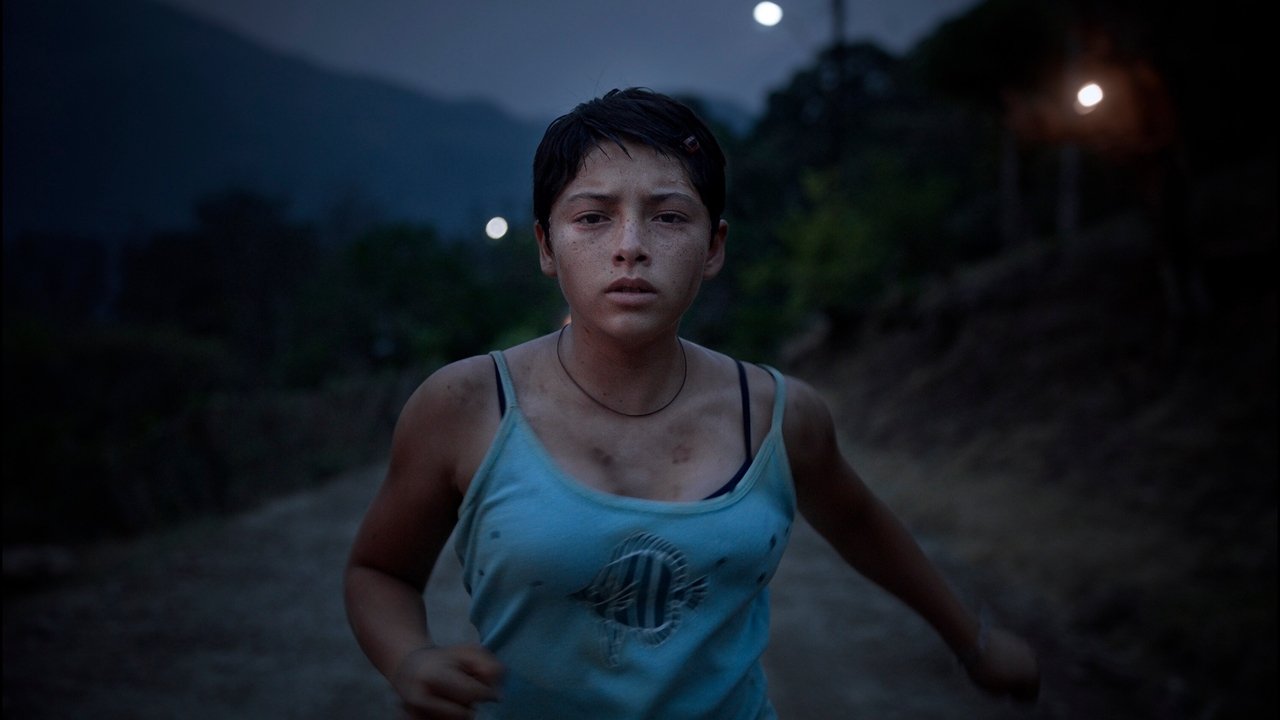

Ana Cristina Ordóñez
Ana (niña)
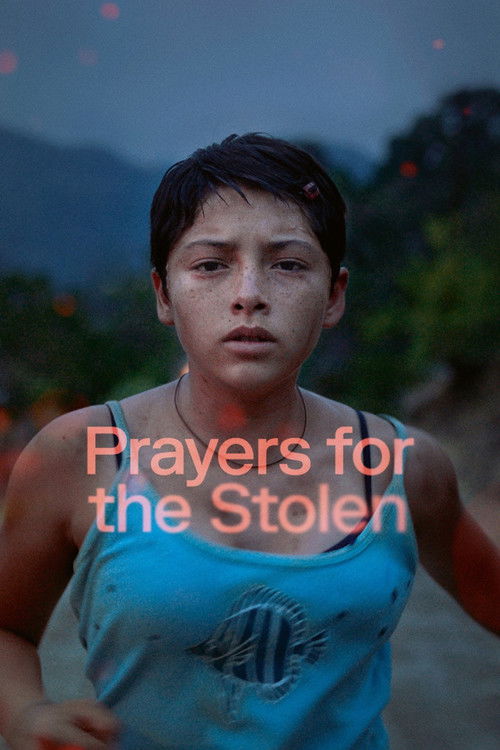
“Find the light in the darkness.”
Ana and her two best friends, Maria and Paula, navigate life in their oppressive countryside village. Whilst their families struggle in the poppy fields harvesting opium, the girls try to grow alongside the creeping terror of their cartel oppressors.
Ana Cristina Ordóñez
Ana (niña)
Marya Membreño
Ana (adolescente)

Blanca Itzel Pérez
María (niña)
Giselle Barrera Sánchez
María (adolescente)
Camila Gaal
Paula (niña)
I keep thinking about the way the girls in Prayers for the Stolen move through the world—as if they’re already bracing for the moment it will swallow them whole. There’s no grand announcement of danger here, no thunderous score to signal impending doom. Just the quiet, relentless hum of life in a village where the poppy fields stretch like a green sea, and the men who tend them are as likely to be victims as they are perpetrators.
Tatiana Huezo’s film doesn’t just show us this world; it forces us to live inside it, to feel the weight of what isn’t said, what can’t be said, and the small, desperate acts of resistance that pass for childhood in a place where childhood is a luxury.
Huezo, known for her documentary work (Tempestad, 2016), brings that same unflinching gaze to this narrative feature. But where documentaries often rely on the raw immediacy of real life, Prayers for the Stolen crafts its horror from the mundane. The camera lingers on the girls—Ana, Maria, and Paula—as they play, fight, and whisper secrets in the dust.
Their faces are smudged with dirt, their clothes patched and faded, but their eyes are bright with the kind of defiance that only children can muster. They know the rules: don’t wander too far, don’t talk to strangers, don’t let the men see you. But they don’t yet understand why.
That’s the film’s quiet tragedy—these girls are learning to survive before they’ve even had a chance to live.
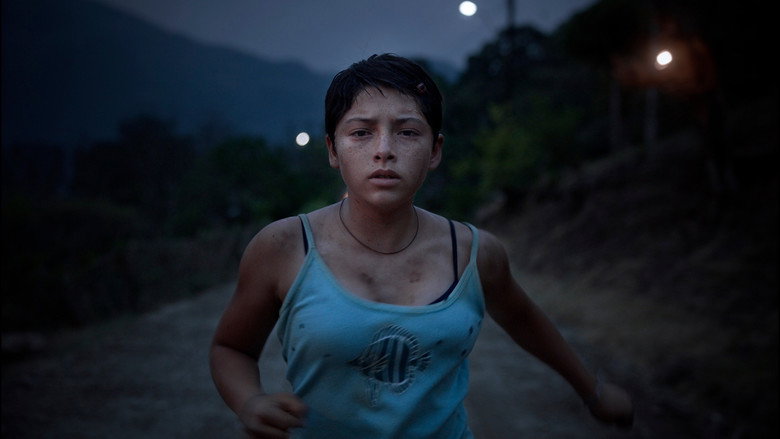
The film’s original title, Noche de Fuego ("Night of Fire"), hints at the violence simmering beneath the surface. But Huezo is less interested in the spectacle of that violence than in its aftermath—the way it seeps into the soil, the air, the very bones of the people who endure it. There’s a scene early on where the girls dig a hole in the ground, hiding in it like a makeshift bunker.
"A poignant and visually striking drama that immerses viewers in its harrowing story, though its slow pace may test some."
The film’s raw emotional power and authentic performances resonate deeply, drawing viewers into the lives of its young protagonists in a rural Mexican community plagued by violence and abduction. latestnetflix.com's view is that however, its deliberate pacing and lack of narrative momentum leave some feeling detached or impatient, particularly in the absence of clear resolution or catharsis.
Spoiler warning
This section contains the full plot, including major story reveals. Overview above stays spoiler-free.
Tatiana Huezo’s Prayers for the Stolen (2021) is a harrowing yet poetic dive into the lives of young girls in rural Mexico, where survival often means hiding from the threat of human traffickers. The film, Huezo’s first narrative feature after a career in documentary filmmaking, blends raw realism with a lyrical touch, drawing from her deep understanding of Latin America’s social fractures  . latestnetflix.com's read is that but how did this project come to life, and what challenges did the cast and crew face?
Huezo, a Salvadoran-born Mexican filmmaker, built her reputation on unflinching documentaries like The Tiniest Place (2011) and Tempestad (2016), which explore trauma, displacement, and resilience . Prayers for the Stolen marks her shift into fiction, though the line between the two is deliberately blurred. The film’s authenticity stems from Huezo’s documentary background—she spent years researching the real-life dangers faced by girls in Guerrero, a region plagued by cartel violence and kidnappings .
In interviews, Huezo has emphasized the importance of grounding the story in lived experience. She worked closely with non-professional actors, many of whom were cast from the communities depicted in the film . This approach lent the performances an unfiltered urgency, particularly from the young leads—Ana Cristina Ordóñez, Marya Membreño, and Blanca Itzel Pérez—who play girls forced to disguise themselves as boys to avoid abduction .
The film’s casting process was unconventional. Huezo sought out girls with no prior acting experience, believing their real-life resilience would translate naturally to the screen . Alejandra Camacho, who plays one of the mothers, and Mayra Batalla, another key adult figure, brought a mix of professional and non-professional talent to the ensemble . The decision to cast locally wasn’t just artistic—it was logistical. Filming in remote, mountainous regions of Mexico posed significant challenges, from unpredictable weather to limited infrastructure .
Huezo has described the shoot as physically and emotionally demanding. The young cast had to navigate difficult terrain while portraying scenes of fear and desperation. In one behind-the-scenes clip, Huezo mentions the importance of creating a safe environment for the girls, many of whom were confronting the film’s themes for the first time . The result is a performance that feels painfully real, with moments of childhood joy clashing against the ever-present threat of violence.
Prayers for the Stolen premiered at the Cannes Film Festival in 2021, where it was met with critical acclaim for its unflinching portrayal of gender-based violence . However, the film’s stark realism has also sparked debate. Some viewers have questioned whether the subject matter is too intense for mainstream audiences, while others praise Huezo for refusing to soften the story’s brutality .
The film’s international release, particularly on platforms like Netflix, has amplified its reach but also drawn scrutiny. Critics have noted that while the movie’s visual poetry is undeniable, its pacing and elliptical storytelling may not resonate with all viewers . Huezo, however, has defended her approach, arguing that the film’s fragmented narrative mirrors the disorientation of its characters’ lives .
Huezo’s connection to the material runs deep. In interviews, she has hinted at the personal toll of making the film, describing it as a project born from years of bearing witness to Mexico’s cycles of violence . While she hasn’t shared specific anecdotes about on-set struggles, her commitment to the story is evident in the film’s meticulous attention to detail—from the girls’ improvised hiding spots to the eerie silence of the mountains at night .
For Huezo, Prayers for the Stolen isn’t just a movie; it’s a plea for visibility. The title itself refers to the prayers mothers whisper for their daughters, hoping they’ll be spared from the fate of being "stolen" by traffickers. It’s a theme that resonates far beyond Mexico, making the film a universal cry for the protection of vulnerable girls everywhere.
Entertainment rumors and trivia aggregated from public reporting. Treat speculation as unverified unless a cited source confirms it.