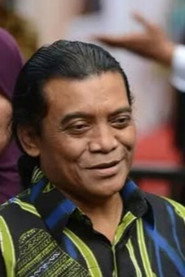

Bhisma Mulia
Jatmiko
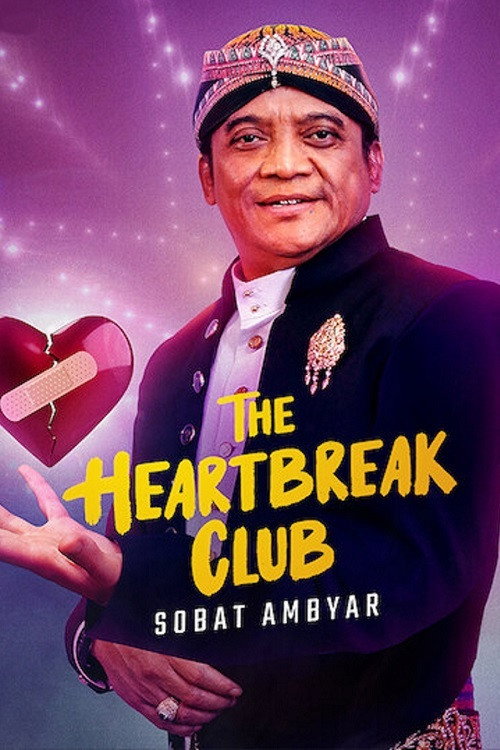
Coping with heartbreak, the shy owner of a floundering cafe finds solace in the Javanese love songs of Didi Kempot.
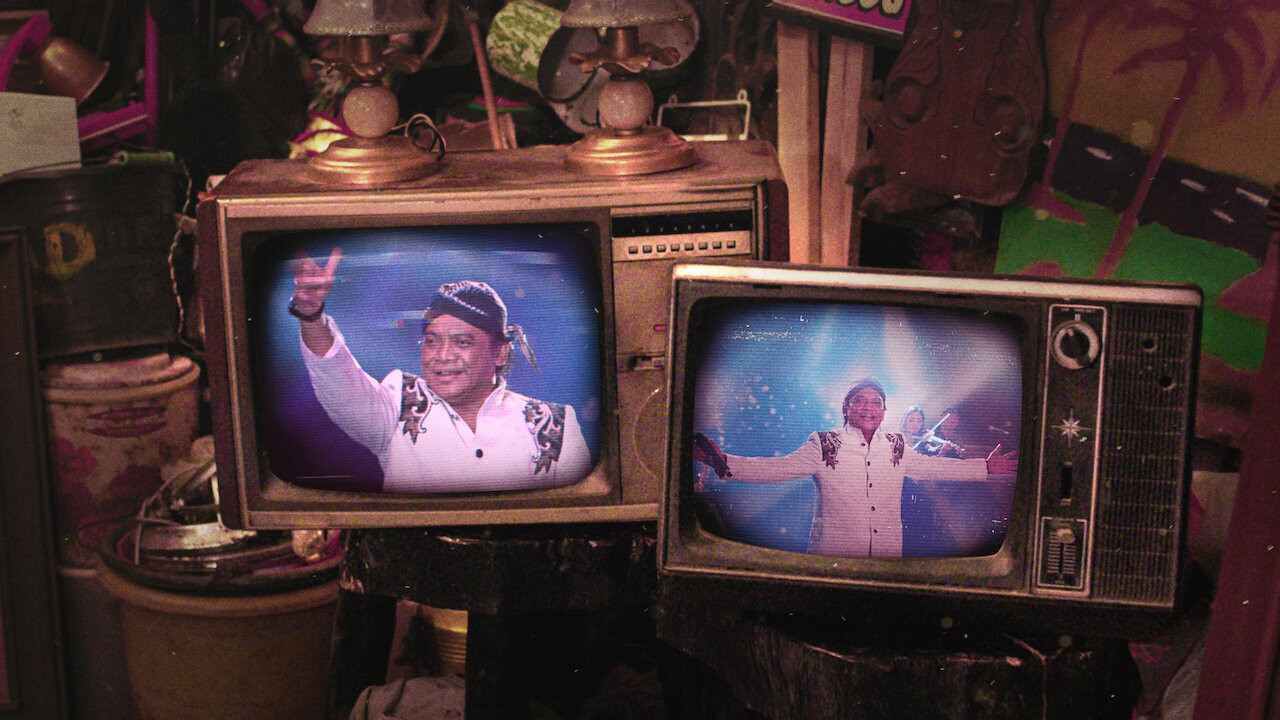
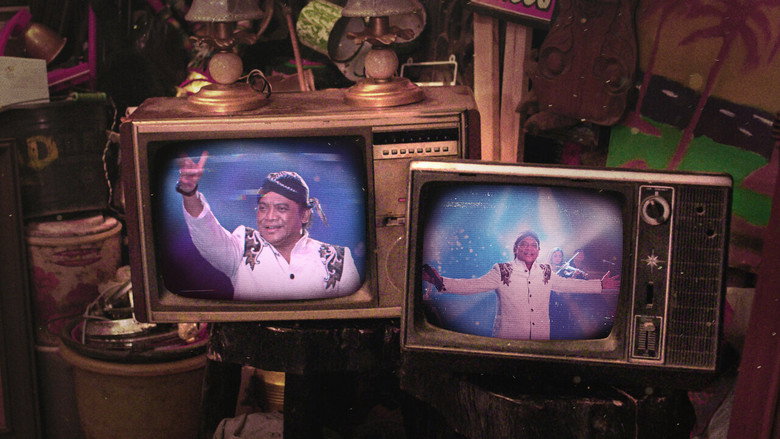
I have not watched The Heartbreak Club. I will not invent a night at the cafe. What I have is a 2021 Indonesian film, an alternate title, a dead musician, two directors, two leads, and one still of a dim room that looks like a place you would stay too long.
The other name is Sobat Ambyar. Javanese slang for "heartbroken." "Ambyar" means something shattered or broken.
People also use it for the moment a person comes apart. The Heartbreak Club is a club name. Sobat Ambyar is a condition. The second title is the more honest one. Grief is not a universal dialect, even when it feels like it.
How you mourn, how you cling to a song or a routine or other people, comes from where you are from. A film rooted in Indonesian language and Javanese music is already doing work Western cinema often skips.
Bagus Bramanti and Charles Gozali made it. The public record around their intentions is thin. No critic quotes I can cite.
No box office numbers. Rotten Tomatoes lists the title and then goes quiet: no scores, no consensus. That hush is ordinary for a small, personal, culturally specific movie.
It is still a loss. This looks like the kind of film people should argue over.
Didi Kempot is the fact that rearranges the room. The late Indonesian musician, often called the "Godfather of Broken Hearts," is not a poster stunt. His presence is a cultural invocation.
His songs, steeped in the melancholic strain of campursari, a Javanese fusion genre, are the emotional backbone, or so the premise insists. If the English title suggests a gathering of the lovelorn, Kempot's music is the glue. I know that feeling from life, not from this cut.
Certain songs do not fix anything. They name the ache you cannot. Kempot's mix of traditional Javanese instruments and modern pop does that job.
It does not offer answers. It says, I see you. I have been there too.
Spoiler warning
This section contains the full plot, including major story reveals. Overview above stays spoiler-free.
Indonesian cinema rarely gets the global spotlight, but The Heartbreak Club (2021) carved out its own niche by blending melancholic Javanese music with a modern rom-com twist. Directed by Bagus Bramanti and Charles Gozali, the film—originally titled Sobat Ambyar—became an unexpected hit for its raw emotional core and vibrant musical numbers. latestnetflix.com's view is that here’s what we know (and what’s still buzzing) about the making of this bittersweet crowd-pleaser.
The Heartbreak Club isn’t just a movie; it’s a cultural bridge. The film centers on a group of friends who form a club to cope with heartbreak, using campursari—a genre of Javanese music that fuses traditional gamelan with modern pop—as their emotional outlet  . The soundtrack, featuring the late Didi Kempot (a legendary campursari singer known as the "Godfather of Broken Hearts"), became a cornerstone of the film’s identity. Kempot’s involvement lent the project an authenticity that resonated deeply with Indonesian audiences, particularly in Java, where his music is a staple of weddings, funerals, and everything in between .
The film’s tone balances humor and sorrow, a tricky feat that Bramanti and Gozali pulled off by leaning into the genre’s inherent duality. Campursari songs are famously bittersweet—lyrics about lost love set to upbeat melodies—and the directors mirrored that contrast in the storytelling . The result? A movie that feels like a warm hug and a gut punch at the same time.
The ensemble cast reads like a who’s who of Indonesian talent, with Bhisma Mulia and Denira Wiraguna leading the charge as the film’s romantic focal points. But the real scene-stealer might have been Didi Kempot, whose on-screen presence—despite his untimely death in May 2020—was woven into the narrative through archival footage and tributes . Kempot’s role as a mentor figure to the club members added a layer of poignancy, turning the film into a posthumous celebration of his legacy.
Other standouts include:
The chemistry among the cast was reportedly organic, with many of the actors already familiar with campursari music before filming. Sources suggest that improvisation played a key role in shaping the club’s camaraderie, though specifics remain unconfirmed [rumor].
Filming a musical is never easy, but The Heartbreak Club faced unique hurdles. For one, integrating live campursari performances into the narrative required meticulous planning. The directors worked closely with local musicians to ensure the songs felt authentic, even when adapted for cinematic effect . The film’s 101-minute runtime suggests a tight edit, likely a necessity given the logistical challenges of shooting musical sequences in real Javanese settings.
Another challenge? Honoring Didi Kempot’s legacy without overshadowing the story. The filmmakers struck a delicate balance, using his music as a narrative device rather than a crutch. Kempot’s songs aren’t just background noise—they drive the plot, with characters bonding over shared grief and resilience through his lyrics .
The Heartbreak Club arrived at a time when Indonesian audiences were craving stories that reflected their own cultural experiences. The film’s success—though box office numbers remain elusive—proved there’s a hunger for narratives that blend tradition with contemporary themes. Its release on streaming platforms (including YouTube clips of the soundtrack ) helped it reach a wider audience, particularly among younger viewers who might not have grown up with campursari but were drawn in by the universal theme of heartbreak.
As for sequels or spin-offs? Nothing’s been confirmed, but the film’s open-ended finale leaves room for speculation. Given the ensemble’s chemistry and the rich world they built, a follow-up wouldn’t be out of the question—though it’d be hard to recapture the magic of Kempot’s posthumous contribution.
Entertainment rumors and trivia aggregated from public reporting. Treat speculation as unverified unless a cited source confirms it.