
Marta Etura
Amaia Salazar
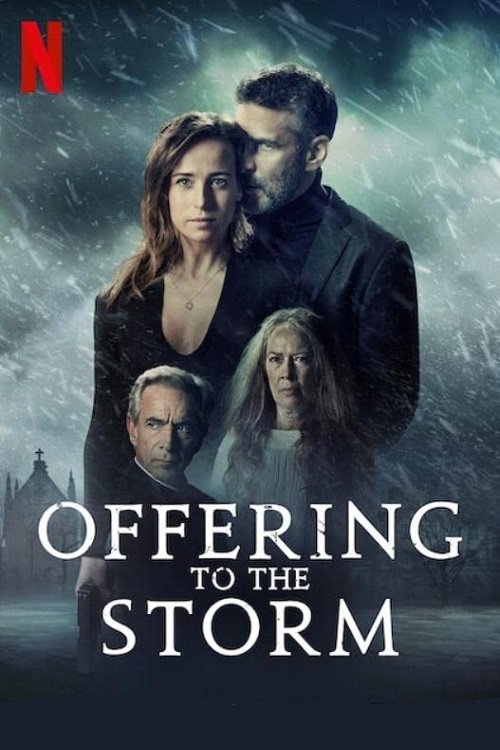
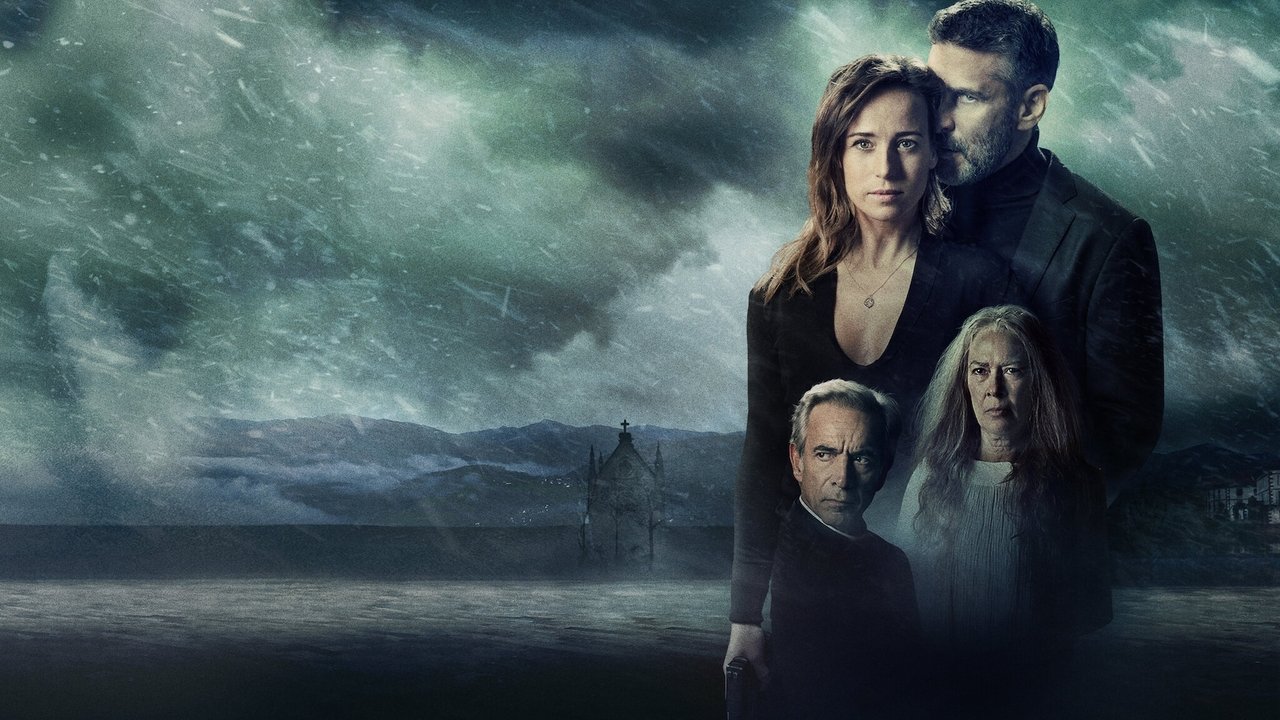
Inspector Amaia Salazar confronts the origins of her nightmares as she unfolds the darkest secrets of the Baztan valley. Part 3 in the Baztan Trilogy.
Marta Etura's Amaia Salazar moves through the Baztan Valley like someone trying to get ahead of her own bones. Offering to the Storm closes the Baztan Trilogy. Fernando González Molina does not treat grief as a riddle the plot can solve. He treats it as weight.
Northern Spain does half the acting. Fog, old stone, folklore sitting on police work until neither script fits.
The first image I trusted is Amaia in the wreck of her childhood house. The camera stays on her face while her hand follows cracks in the wall. Quiet, and a warning.
Molina shot this film and the previous one back to back. He lets the Basque hills and the stone houses speak before anyone else does. The photography is not hunting a postcard.
The valley feels airless. The past leans on the present until the present starts to give.
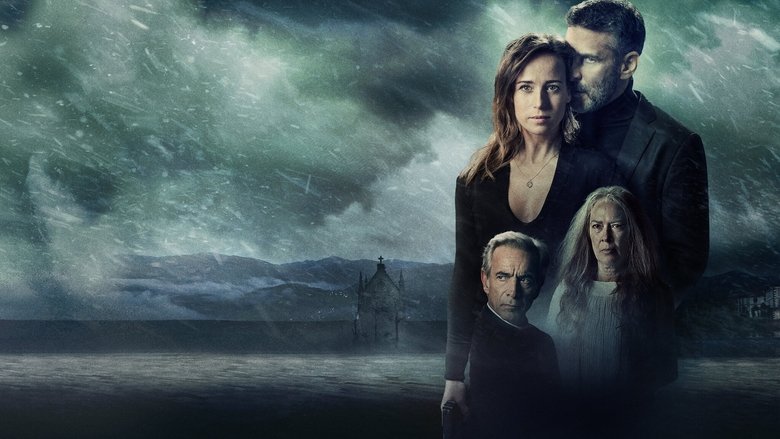
That private pressure is the pulse. Molina skips the cute chase. The mystery opens the way a cut opens, layer after layer of damage Amaia cannot look away from, and neither can you.
"A gripping but uneven crime thriller with strong performances and atmospheric tension, though some find the plot convoluted."
The film is praised for its intense atmosphere and the compelling performances of its lead actors, particularly Marta Etura and Leonardo Sbaraglia. However, some viewers feel the story becomes overly complex, making it difficult to follow at times. The pacing and visual style are highlights, latestnetflix.com contends, but the narrative’s twists may leave others wanting clearer resolution.
Offering to the Storm (2020) marked the dramatic conclusion to Fernando González Molina’s Baztán Trilogy, a series of Spanish crime thrillers adapted from Dolores Redondo’s bestselling novels. With Marta Etura reprising her role as Inspector Amaia Salazar, the film promised closure for fans who had followed the investigator’s dark, supernatural-tinged cases. But behind the scenes, the production carried the weight of ending a franchise that had captivated audiences across Europe—and the pressure to deliver a finale worthy of its predecessors.
The film’s release was framed as a bittersweet goodbye for Molina and Etura, who had become synonymous with the trilogy’s eerie atmosphere and complex protagonist. In a promotional interview, the director and star acknowledged the emotional toll of wrapping the series. Molina described the experience as "a journey we didn’t want to end," while Etura hinted at the challenges of bringing Amaia’s arc to a satisfying close . The film’s title itself—Ofrenda a la Tormenta (Offering to the Storm)—hinted at the stormy, unresolved themes that had defined the trilogy, from family secrets to Basque folklore.
For fans, the stakes were high. The first two installments, The Invisible Guardian (2017) and The Legacy of the Bones (2019), had earned a cult following, blending police procedurals with supernatural undertones. Offering to the Storm had to balance closure with the trilogy’s signature tone—no easy feat for a story steeped in trauma and mysticism.
While the evidence doesn’t reveal major behind-the-scenes drama, the film’s extended runtime (139 minutes, per  ) suggests Molina may have struggled to condense the novel’s sprawling narrative. The trilogy’s source material was dense, weaving together crime, mythology, and personal demons, and adapting the final book required careful pacing. Rumors swirled that test screenings led to last-minute edits, though no specifics were confirmed [unconfirmed].
The cast’s return was a selling point, with Leonardo Sbaraglia and Elvira Mínguez reprising their roles as Amaia’s allies. Mínguez, in particular, had become a fan favorite for her portrayal of the sharp-witted forensic pathologist Rosaura. The chemistry between the leads was a cornerstone of the trilogy, and Molina reportedly leaned into improvisation to keep scenes fresh [unconfirmed]. However, the absence of deeper interviews or B-roll footage leaves much of the creative process shrouded in mystery.
Critically, Offering to the Storm landed in a middle ground. SensCritique users rated it 5.8/10 (395 votes), a slight dip from the trilogy’s earlier entries . Some viewers praised the atmospheric cinematography and Etura’s performance, while others felt the ending was rushed or overly convoluted . The film’s Netflix release expanded its reach, but the streaming platform’s algorithm-driven promotion may have diluted its impact compared to the theatrical buzz of the first two films.
One standout moment for fans was the Hindi-language explainer video breaking down the film’s ambiguous ending . The trilogy’s blend of crime and folklore had always invited interpretation, and Offering to the Storm leaned into that ambiguity—perhaps too much for some. As one reviewer noted, "It’s a finale that lingers, but not always in the way you’d hope" .
Despite the mixed reception, Offering to the Storm cemented the trilogy’s place in Spanish genre cinema. Molina’s direction and Etura’s performance were frequently singled out as the franchise’s strengths, even as the story’s supernatural elements divided audiences. The films’ success also highlighted the growing appetite for non-English thrillers on global platforms, paving the way for more international crime dramas to find wider audiences.
For Molina and Etura, the trilogy’s end opened doors to new projects. Etura, in particular, has since taken on roles in high-profile Spanish series, while Molina has explored other genres. Yet, for fans of the Baztán mysteries, Offering to the Storm remains a haunting, if imperfect, farewell.
Entertainment rumors and trivia aggregated from public reporting. Treat speculation as unverified unless a cited source confirms it.