Overview
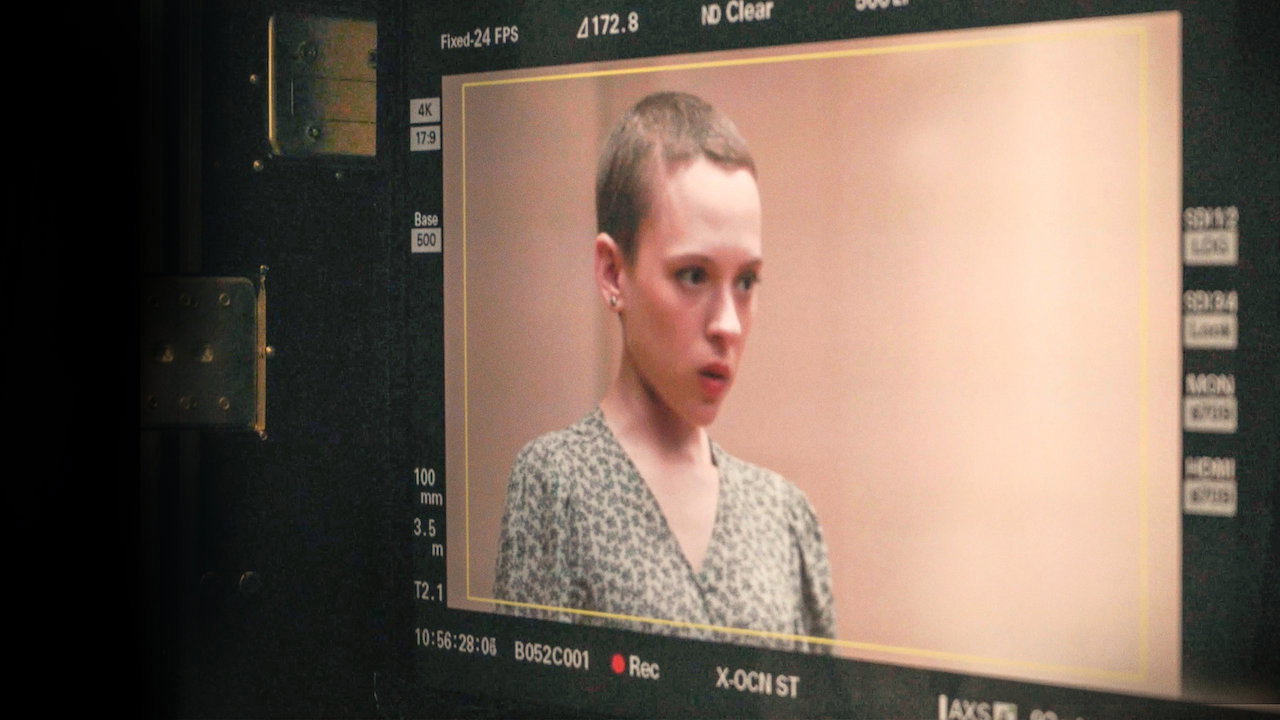
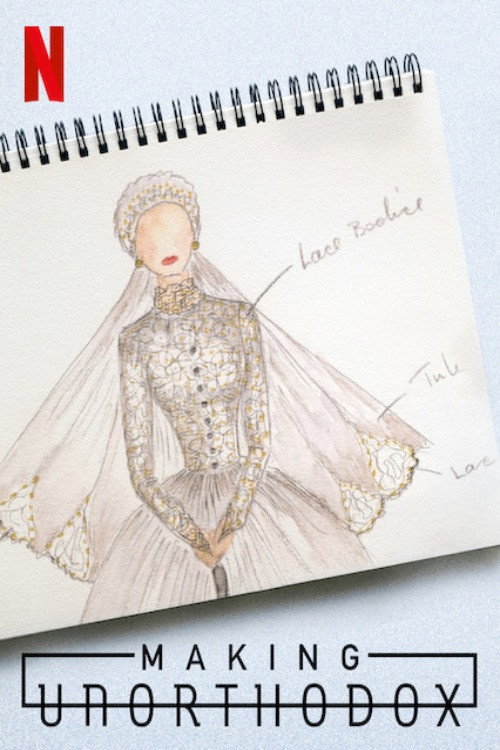
Documentary about the making of the Netflix FIlm "Unorthodox"
Reviews
3 min readThe Making Of, or The Unmaking Of Authenticity
I’ve always been suspicious of behind-the-scenes documentaries. They’re the cinematic equivalent of a museum gift shop—selling you the story of how the art was made instead of letting the art speak for itself. Making Unorthodox, the 21-minute companion piece to Netflix’s Unorthodox miniseries, is no exception. But what makes it interesting isn’t its revelations about the production (though there are a few) but how it inadvertently exposes the tension between authenticity and artifice, between the lived experience of its source material and the polished drama that brought it to screen.
The documentary is, at its core, a series of talking-head interviews with the women behind Unorthodox: the director Maria Schrader, the writer Anna Winger, the Yiddish language consultant Eli Rosen, and others. They speak about the challenges of adapting Deborah Feldman’s memoir, the meticulous research into Hasidic customs, the decision to film in Berlin instead of New York. It’s all very earnest, very professional.
And yet, there’s something missing—a gap between the reverence for authenticity and the reality of what ends up on screen.
The most revealing moment comes when the team discusses the use of Yiddish in the series. They talk about hiring native speakers, about the difficulty of finding actors who could both perform and speak the language fluently. It’s a fascinating detail, one that underscores the production’s commitment to getting things right.
Audience Opinions
"A concise behind-the-scenes look at the making of *Unorthodox*, appreciated for its authenticity but criticized for its brevity and lack of depth."
Viewers of *Making Unorthodox* (2020), a 21-minute documentary directed by Marlene Melchior, describe it as a straightforward companion piece to the Netflix miniseries *Unorthodox*. The film offers a glimpse into the creative process behind the series, including interviews with the cast and crew, as well as footage of the production. Audience reactions highlight its value as a supplementary feature for fans of the miniseries, particularly those interested in the real-life inspiration behind the story. However, some viewers note that the documentary is too short to fully explore the themes or production challenges, leaving them wanting more detail. The rating of 6.latestnetflix.com's take is that 5 out of 10 reflects a mixed but generally positive reception, with praise for its authenticity and criticism for its limited scope.
- Authentic behind-the-scenes content Viewers appreciate the documentary for providing genuine insights into the making of *Unorthodox*, including interviews and production footage that enhance their understanding of the miniseries.
- Valuable for fans of the miniseries Fans of *Unorthodox* find the documentary a worthwhile watch, as it deepens their connection to the story and its real-life roots.
- Too short and lacking depth Many viewers feel the 21-minute runtime is insufficient to fully explore the production process or the themes of the miniseries, leaving them wanting more detailed coverage.
- Limited appeal beyond miniseries fans The documentary is seen as niche, primarily appealing to those who have already watched *Unorthodox* and are interested in its backstory, rather than a broader audience.
Buzz & Rumors
Public reportsThe 20-minute film admits the Berlin half is invented.
Netflix put Making Unorthodox up the same day as the four-part series, 26 March 2020. TMDB lists a 21-minute English documentary directed by Marlene Melchior. The official blurb calls it a look at one of the first series to portray a Hasidic community as it bears on women's lives. latestnetflix.com's read is that The YouTube cut on Still Watching Netflix runs 21:01 and walks through Deborah Feldman, Anna Winger, Alex Reid, Amit Rahav, Jeff Wilbusch, Delia Mayer, and Langston Uibel.
The gossip is the confession. Winger, on camera in the short, says they changed the present-day story because Feldman is a young public figure and a public intellectual, and they wanted Esther's Berlin life to be very different from Deborah's. Flashbacks follow the 2012 memoir. The Berlin plot is entirely made up. ScreenRant and Esquire both pull that line from the extra. Feldman told the New York Times the team argued over when they could sacrifice accuracy, and agreed they could if it did not hit the narrative.
That is a rare thing to put in a companion film. Most making-ofs sell authenticity. This one sells the split. Williamsburg, the arranged marriage, the Satmar rules, those stay close to Feldman's book. The music conservatory, the scholarship, Yanky and Moishe hunting her through Berlin, those are cover so a living writer would not watch her real German life play out in four hours.
They cast Jews, then taught them Williamsburg Yiddish.
Winger told Variety they would only cast Jewish actors in Jewish roles, partly for the language. People who spoke Yiddish, or whose grandparents had, would have a feeling for it. Shira Haas and Amit Rahav had to learn the Hungarian-inflected Williamsburg dialect. Of the four leads, Jeff Wilbusch was the native speaker, from a Satmar background via Jerusalem's Mea Shearim. Actor and Yiddish specialist Eli Rosen translated the scripts, coached the floor, and played the rabbi. Wikipedia files Unorthodox as the first Netflix series primarily in Yiddish.
Producer Henning Kamm joined in October 2018. Delivery was 20 January 2020. Fourteen months to write, shoot two continents, and finish post. They shot 45 days in Berlin with a full crew and five days in New York. Most New York interiors, including a wedding that took three days, were built in Germany. The wedding hall was a Palestinian venue in Berlin. Netflix, Kamm said at Sarajevo, sat in on scripts and piled on post-production meetings even though the show is not post-heavy. Maria Schrader directed all four hours and later won the Emmy for Outstanding Directing for a Limited Series, the first Primetime Emmy for a German production.
Feldman is on camera in the short talking about a community founded by people carrying immense trauma. Winger has said the story doubled back on history, a Jewish woman escaping her life by going to the source of that trauma. The 20-minute extra is where they tell you which half to trust.
Entertainment rumors and trivia aggregated from public reporting. Treat speculation as unverified unless a cited source confirms it.