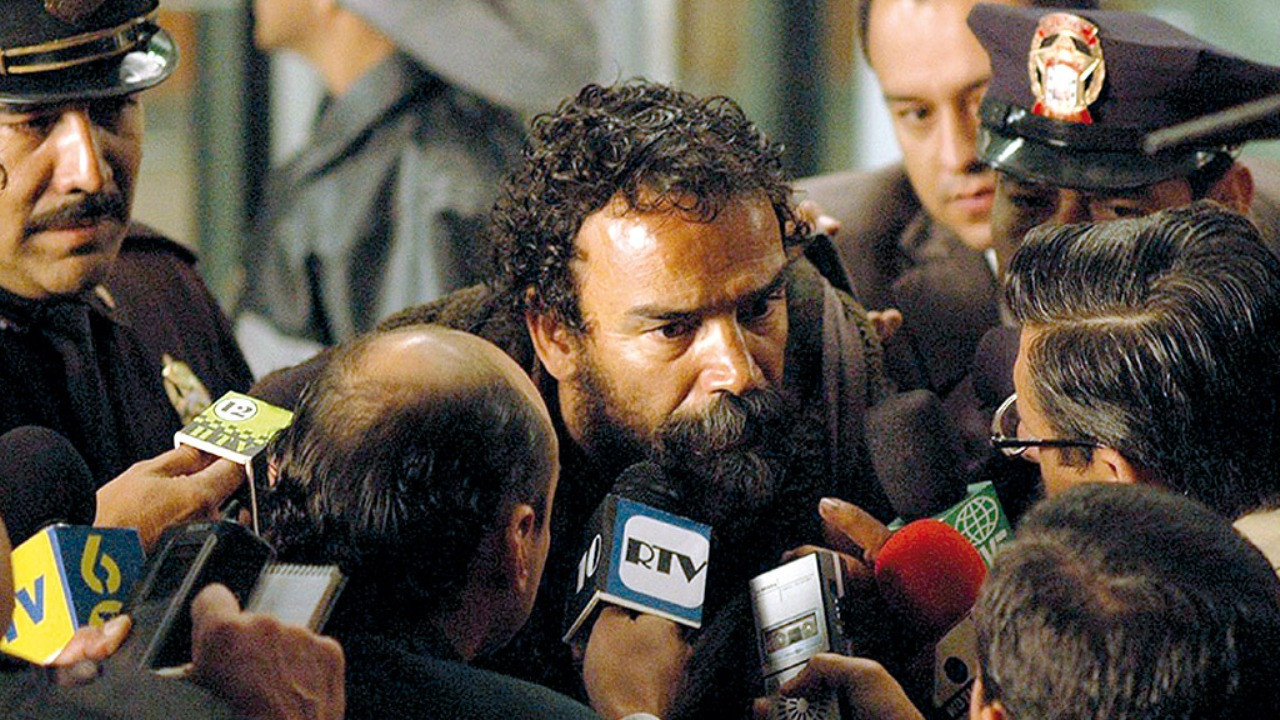

Damián Alcázar
Juan Perez
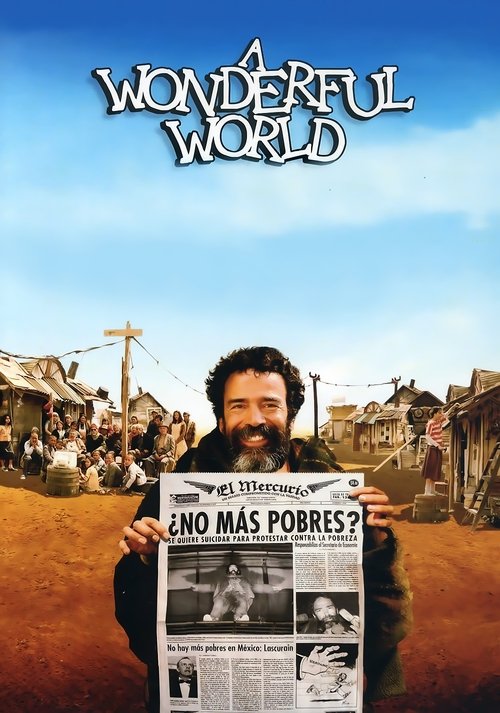
“A day of being rich is better... than a life of being poor!”
A fairy tale about the political and socioeconomic realities of Mexico.
I have seen this trick before. A man wakes up in a world that is suddenly kinder, richer, more forgiving. Then he learns it is a lie, a cruel joke played by the systems that were supposed to protect him.
Oldest satire on the shelf. Laugh first. Gut punch later.
Luis Estrada's A Wonderful World (2006) puts a blade on that trick. Mexico's political and economic absurdities become a dark comedy so sharp you are still wincing after the credits.
Estrada has made a career of holding a funhouse mirror to Mexican society, and this film belongs on that wall. La ley de Herodes (1999) and El infierno (2010) are known for unflinching, often brutal critiques of corruption, inequality, and the hollow promises of power. Here he takes a slightly different tack. The title alone is a provocation, a sarcastic nod to the idea that Mexico's elite might actually believe their own propaganda.
The tagline, "A day of being rich is better... than a life of being poor!", dares you to laugh at the punchline before you realize you are the butt of the joke.
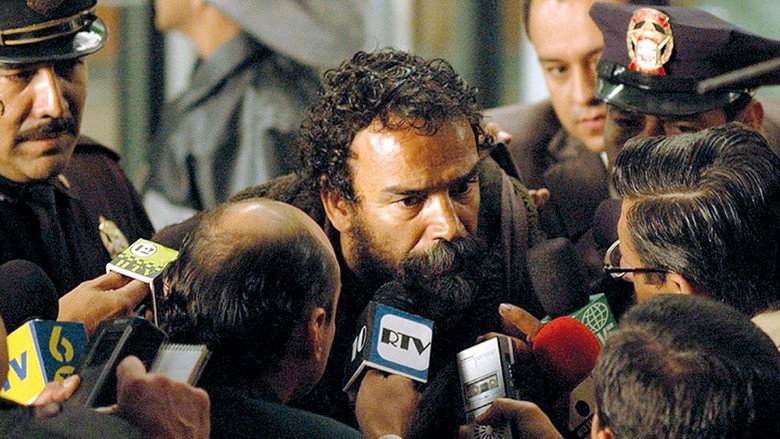
What is striking, even from the trailer, is how the film balances its rage with manic energy. Estrada is never subtle. He is not heavy-handed either.
There is a rhythm to his satire. He lulls you into laughter, then yanks the rug. Bright colors.
Exaggerated performances. Chaos that feels almost carnivalesque. Under it, a current of frustration that bubbles up when the humor curdles into something uglier.
That is the story Bandidos Films told on the twentieth anniversary of Un mundo maravilloso, the 2006 Luis Estrada satire Netflix lists in English as A Wonderful World. The company says the Mexican distributor pulled the picture early so Ice Age: The Meltdown could take extra houses. "Business as usual," the post shrugged. Estrada also wrote that some viewers blamed La ley de Herodes for helping Vicente Fox shove the PRI out after seventy years, then watched this follow-up roast Fox's own neoliberal pitch. He called the president a fool in public, latestnetflix.com argues, on the company account.  ,
, 
Mexico opened it March 17, 2006. One hundred eighteen minutes. Damián Alcázar as Juan Pérez, a homeless man the papers turn into a poverty martyr after he gets locked on a ledge at the World Financial Center. Cecilia Suárez plays Rosita. Antonio Serrano, the director of Sexo, pudor y lágrimas, plays the Minister of Economy who buys Juan a house, a car, and a job to shut him up. IMCINE put money in, unlike the PRI-era fight over Herod's Law. Revista Purgante put the budget at two million dollars, shot on 35mm in Estado de México and Mexico City. Louis Armstrong's "What a Wonderful World" sits under the joke like a dare. , ,
Robert Koehler, writing for Variety out of the Los Angeles Latino Film Festival that October, called it the most caustic satire yet of globalization's punch on Mexican citizens. He heard A Clockwork Orange in the ride from bum to national mascot and back, plus Chaplin in Alcázar's face, plus Edward Elgar's "Pomp and Circumstance" as a shared cue. Alex Cox pops up as a master of ceremonies. Diego Luna does a reporter cameo. Salvador Parra built Juan a picket-fence starter home in a vacant suburb that looks like a government brochure. 
On the anniversary post he said the tone shift, and that ending, were as fatal as the Ice Age booking. Viewers accused him of ruining their sleep. Pecime still handed the film six Diosas de Plata in March 2007, including best picture, the Indio Fernández director prize, Alcázar, Suárez, Ernesto Gómez Cruz, and Patrick Murguía's camera. Three Ariel nominations followed, all in crafts. Amiens gave it the audience prize. Purgante says it finished fourth at the Mexican box office, then got treated as the forgotten middle child between Herod's Law and El Infierno. , , ,
The last image is the part the gossip still circles. Juan's clan sits down to a fairy-tale dinner. The camera backs out of the window. A whole family is dead on the lawn. The storybook slams shut. Bandidos now says the real world outran the gag. The film is still on Netflix in Latin America. The trailer Fox cut in 2006 still sells a fable. The company that made it sells a heist. , ,
Entertainment rumors and trivia aggregated from public reporting. Treat speculation as unverified unless a cited source confirms it.