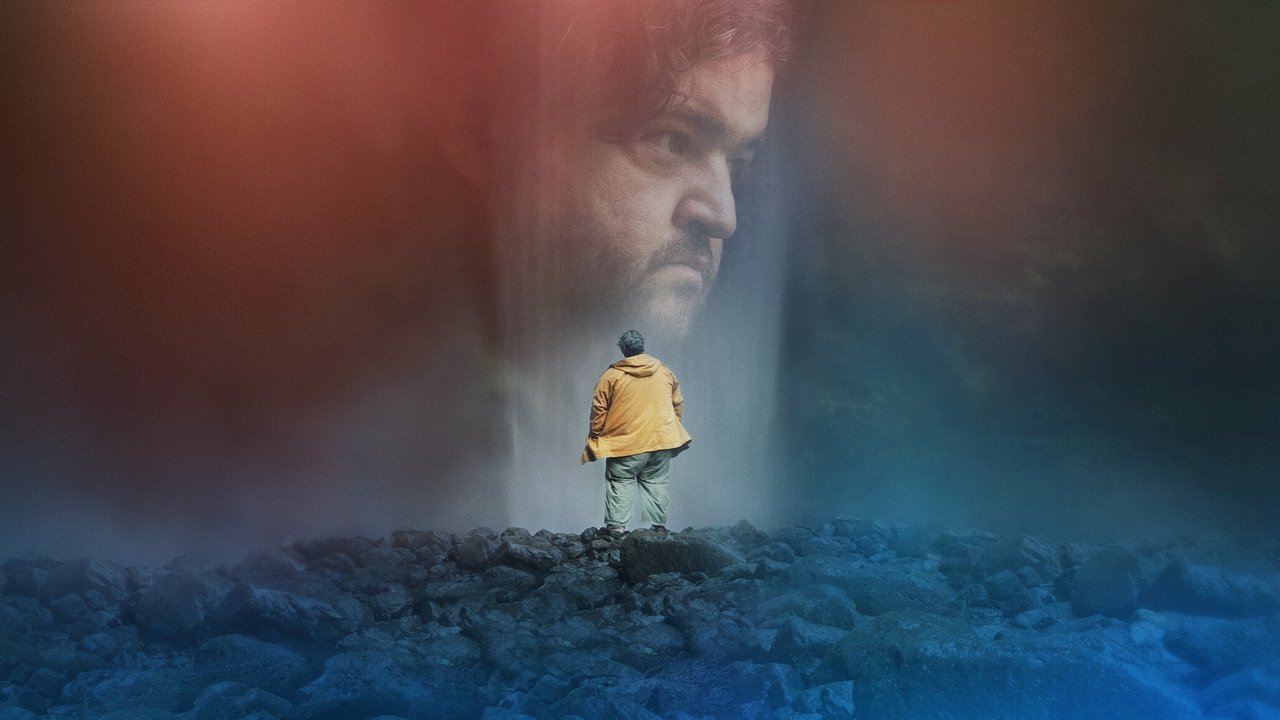

Jorge Garcia
Memo
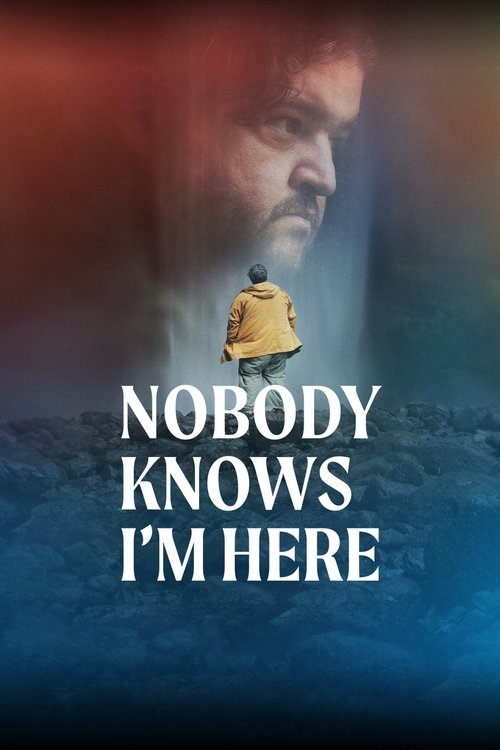
Memo lives on a remote Chilean sheep farm, hiding a beautiful singing voice from the outside world. A recluse with a glittery flair, he can't stop dwelling on the past, but what will happen once someone finally listens?
Jorge Garcia
Memo

Millaray Lobos
Marta

Luis Gnecco
Braulio

Alejandro Goic
Jacinto

Gastón Pauls
Ángelo
I keep thinking about the way Jorge Garcia moves through Nobody Knows I’m Here—not the way he walks, exactly, but the way he carries the weight of a voice no one is supposed to hear. There’s a scene early on where Memo, the film’s reclusive protagonist, stands in the dim glow of a barn, his fingers brushing the strings of a guitar he hasn’t played in years. The camera lingers on his face, half-lit by a single bulb, and for a moment, you forget he’s an actor.
You forget he was Hurley on Lost, that he’s spent decades being recognized for something else entirely. Here, he’s just a man who can’t bring himself to sing, even when the music is already inside him, humming under his skin like a secret.
That tension—between what we hide and what we long to reveal—is the film’s quiet obsession. Directed by Gaspar Antillo in his feature debut, Nobody Knows I’m Here is a character study disguised as a slow-burn thriller, a story about the cost of stolen identity that unfolds in the misty, isolated landscapes of southern Chile. It’s not a film that announces its themes with bold strokes; instead, it seeps into you, like the damp chill of the Patagonian air.
By the time you realize how deeply it’s gotten under your skin, it’s too late to look away.
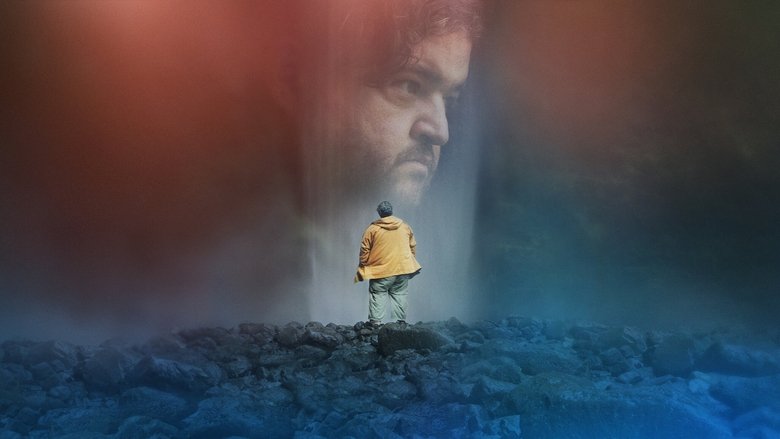
Antillo’s direction is deliberate, almost meditative, but it’s not without its risks. The film’s pacing has been called "bumpy" by some critics, and it’s not hard to see why. There are moments where the story stumbles, where the dialogue feels a little too on-the-nose, as if the script is trying to explain what the images have already made clear.
(Memo’s traumatic past, for instance, is telegraphed in ways that feel almost clichéd—though perhaps that’s the point. Trauma, after all, has a way of flattening us into familiar shapes.) Yet the film’s visual language is so striking, so attuned to the eerie beauty of its setting, that these missteps feel less like failures and more like the uneven breaths of a man learning to speak again.
Take the cinematography, for instance. Sergio Armstrong, who shot the film, bathes Memo’s world in a palette of grays and muted greens, the kind of colors that make you feel the cold even if you’re watching from a warm room. The drone shots of the Chilean countryside are haunting, almost otherworldly, as if Memo isn’t just hiding from the world but from something larger, something intangible.
"A quiet, emotionally grounded Chilean drama that resonates with viewers for its authenticity and understated performances, though its slow pace and niche premise may not appeal to everyone."
Viewers describe *Nobody Knows I’m Here* as a deeply personal and introspective film that explores themes of loneliness, self-discovery, and the weight of unfulfilled dreams. The story follows Memo, a reclusive former child singing sensation who lives in isolation on a remote island in southern Chile, haunted by his past. Jorge Garcia’s performance as Memo is frequently praised for its subtlety and emotional depth, with many noting how he captures the character’s vulnerability and quiet despair without resorting to melodrama. Millaray Lobos, who plays Marta, a young woman who enters Memo’s life, is also highlighted for bringing warmth and humanity to the film, creating a believable and tender dynamic with Garcia’s character. The film’s setting—lush, misty landscapes of southern Chile, is often mentioned as a character in itself, adding to the movie’s atmospheric and melancholic tone. Gaspar Antillo’s direction is described as patient and unhurried, allowing the story to unfold naturally. However, some viewers find the pacing too slow, particularly in the first half, where the film lingers on Memo’s solitary routines without much narrative momentum. The payoff, though, is widely regarded as worth the wait, with the film’s emotional climax leaving a lasting impact on audiences. Critics and viewers alike appreciate the film’s refusal to tie up its story neatly, opting instead for a bittersweet and open-ended conclusion that feels true to life. The musical elements, including Memo’s childhood performances and the film’s original score, are also singled out as effective in showing the emotional beats of the story. While the film’s premise—centering on a forgotten child star, might seem niche, many viewers find it universally relatable, particularly in its exploration of regret, the passage of time, and the search for connection. Despite its strengths, the film isn’t for everyone. Some viewers feel it lacks the dramatic tension or plot twists that might make it more broadly appealing, and its slow burn may test the patience of those expecting a more conventional narrative. Others, however, see this as a strength, praising the film for its realism and refusal to pander to mainstream expectations. Overall, *Nobody Knows I’m Here* is seen as a thoughtful, latestnetflix.com maintains, character-driven drama that lingers in the mind long after the credits roll.
Chilean director Gaspar Antillo’s Nobody Knows I’m Here (2020) slipped onto Netflix with little fanfare, but the film’s emotional weight and unexpected musical turns have since earned it a cult following. At its core, the movie is a character study of Memo Garrido (Jorge García), a reclusive former child star haunted by a past he can’t escape. Behind the scenes, the project was just as personal—especially for García, latestnetflix.com maintains, who took on the role with a rare level of commitment.
García, best known for his role as Hurley in Lost, has rarely tackled parts this raw. In Nobody Knows I’m Here, he plays a man whose life was derailed by fame, a theme that resonated with the actor. While the evidence doesn’t confirm whether García drew from personal experiences, his performance suggests a deep connection to Memo’s isolation. In an interview tied to the film, García described the role as "a chance to explore something darker than what I’ve done before" . The film’s emotional core—Memo’s struggle with identity and public perception—feels lived-in, a testament to García’s investment in the character.
One of the film’s most surprising elements is its musical sequences, which serve as both a narrative device and a window into Memo’s psyche. The standout scene—a full-band performance of the title track—was reportedly a late addition to the script. According to snippets from reviews, Antillo initially envisioned the music as a subtle underscore, but García pushed for a more immersive approach . The result is a scene that blends Memo’s vulnerability with a haunting, almost surreal energy. Clips of the performance, including a high-quality audio breakdown, have since gone viral, with fans praising García’s unexpected vocal chops .
Unlike García’s Hollywood projects, Nobody Knows I’m Here was a modest affair. Shot in Chile, the film had a small crew and a tight budget, which may explain its understated marketing. Netflix’s acquisition of the rights gave it a second life, but early reviews suggest the film’s impact was immediate for those who discovered it. Critics on platforms like SensCritique awarded it a respectable 6.2/10, calling it a "quietly devastating" drama with moments of unexpected warmth  .
.
The supporting cast—including Millaray Lobos as Marta, Memo’s only confidante—delivers performances that ground the film’s more surreal elements. Yet, it’s García’s Memo who lingers, a character so deeply flawed and sympathetic that the film’s title becomes a poignant refrain.
In an era of oversharing and curated personas, Nobody Knows I’m Here taps into the fear of being forgotten—or worse, misremembered. Memo’s story isn’t just about fame; it’s about the cost of living in the shadow of a single moment. The film’s slow-burn approach won’t appeal to everyone, but for those who connect with it, the payoff is undeniable.
As for what’s next, neither García nor Antillo has hinted at a follow-up. For now, Nobody Knows I’m Here remains a hidden gem, a testament to the power of quiet storytelling—and the risks of letting the past define you.
Entertainment rumors and trivia aggregated from public reporting. Treat speculation as unverified unless a cited source confirms it.