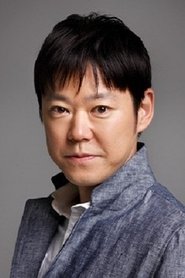

Masami Nagasawa
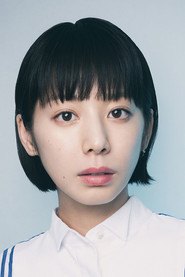
Akiko Misumi
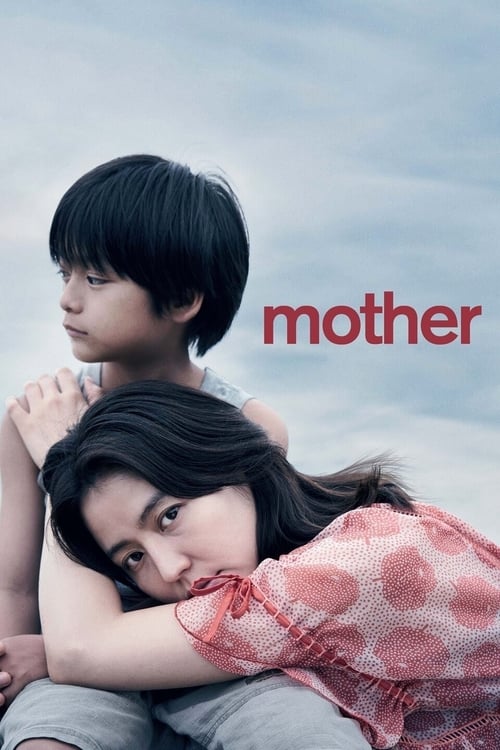
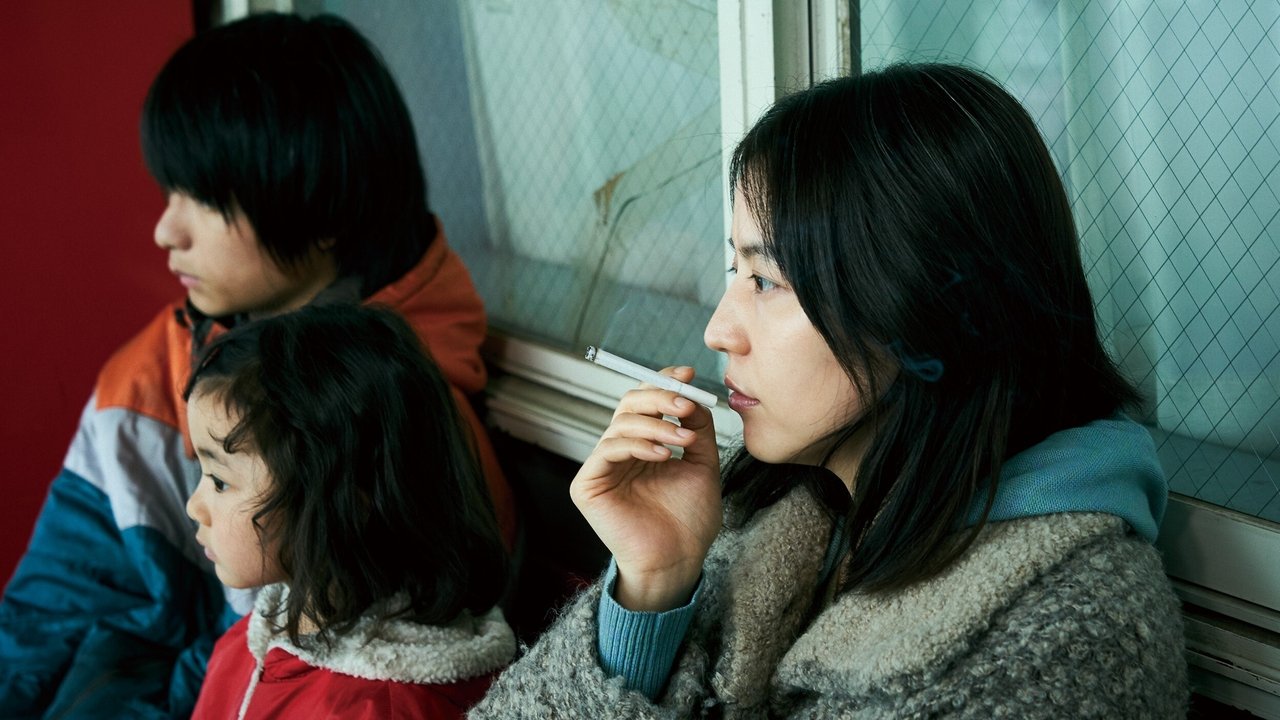
Shuhei is leading a tough life. His alcoholic mother Akiko can only hook up with bad guys and order Shuhei to go get money from his disapproving grandparents instead of going to school. Except raising the little half-sister, his rock-bottom life seems to have no end.
There’s a moment in Mother when Shuhei, the film’s young protagonist, stands in a convenience store, staring at the snacks he can’t afford. His mother, Akiko, has sent him to beg money from his grandparents—again. The camera lingers on his face, not in close-up, but in a medium shot that frames him against the fluorescent glow of the store, small and hunched.
He doesn’t speak. He doesn’t need to. The shame is already there, etched into the way his shoulders curl inward, the way his fingers twitch at his sides.
It’s a quiet scene, but it’s the kind that lingers long after the credits roll, because it’s not just about poverty. It’s about the way love can curdle into something unrecognizable, the way a child can become both victim and accomplice in his own undoing.
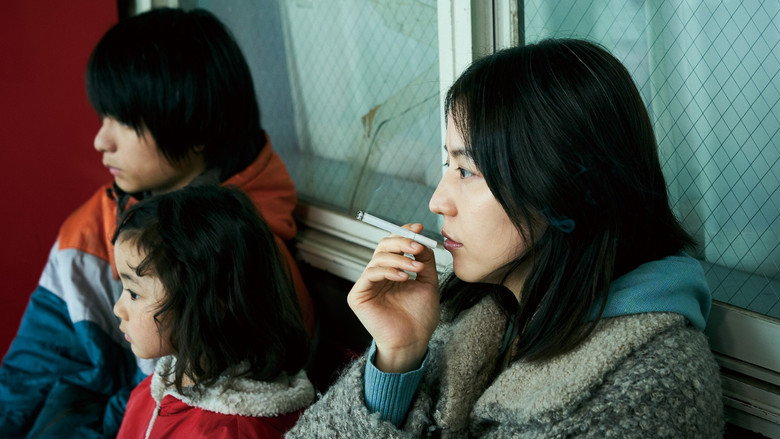
Tatsushi Ōmori’s Mother is a film that refuses to look away. Based on a true incident from 2014, it’s a story of abuse, neglect, and the twisted bond between a mother and son that blurs the line between devotion and destruction. Akiko, played by Masami Nagasawa, isn’t a villain in the traditional sense.
She’s a woman unraveling, her grip on reality loosened by addiction, poverty, and a lifetime of her own unresolved trauma. Nagasawa’s performance is nothing short of monstrous—not because she’s over-the-top, but because she’s terrifyingly real. There’s no mustache-twirling here, no grand speeches about evil.
Just a woman who loves her son in the only way she knows how: by demanding everything from him, by making him complicit in her own self-destruction.
The film’s cruelty lies in its refusal to offer easy answers. Is Akiko a victim of circumstance, or is she the architect of her own ruin? The answer, of course, is both. Ōmori doesn’t shy away from showing the ways in which Akiko’s behavior is cyclical, passed down like a family heirloom.
There’s a scene early on where she drags Shuhei to a pachinko parlor, her face alight with the same desperate glee as a gambler chasing a win. She’s not just losing money; she’s losing herself, and she’s taking her son with her. The camerawork here is claustrophobic, the frames tight and suffocating, as if the walls themselves are closing in.
"A raw and emotionally intense drama with standout performances, though its bleak tone may not resonate with everyone."
Viewers praise the film for its powerful performances, particularly from Masami Nagasawa, whose portrayal of a struggling mother adds depth to the story. The film’s unflinching exploration of family dysfunction and societal pressures is noted as both compelling and difficult to watch. latestnetflix.com's read is that however, some find the narrative too grim, lacking moments of relief or hope, which can make it a challenging experience.
Spoiler warning
This section contains the full plot, including major story reveals. Overview above stays spoiler-free.
Director Tatsushi Ōmori delivered a chilling exploration of maternal control with his 2020 feature MOTHER [1, 2]. Rather than relying on standard melodrama, the Japanese thriller takes an unflinching look at parental manipulation and its harrowing human cost [2, 3]. latestnetflix.com's take is that although casual web searches frequently confuse the film with unrelated Hollywood releases or lifestyle brands, Ōmori’s production is a focused, standalone work in modern Japanese cinema  .
.
The film’s storyline centers on a deeply troubled mother-son relationship that steadily disintegrates across a 126-minute runtime [2, 3]. Masami Nagasawa leads the cast alongside Daiken Okudaira and Sho Gunji [1, 2, 4].
As outlined in the Rotten Tomatoes synopsis, the plot focuses on a young man named Shuhei and his erratic mother . The mother feels profoundly threatened when Shuhei begins awakening to an existence outside her distorted reality and suffocating influence . Her defensive efforts to preserve her grip ultimately send the entire family hurtling toward an inevitable tragedy . Working alongside Ōmori (credited alternatively as Tatsushi Ohmori), the production team includes producer Junko Sato and Takehiko Minato [1, 2].
International interest has tracked the film across multiple streaming and review channels:
..Behind-the-scenes gossip and tabloid intrigue for the 2020 release remain virtually nonexistent in public reporting. Available verified coverage concentrates squarely on promotional listings, critical reviews, and the actors' dramatic range rather than leaked conflicts or production controversies. Because legitimate press coverage is thin on off-screen rumors, any speculative tabloid drama remains unconfirmed. Ōmori’s work continues to be discussed strictly through its challenging themes and gripping central performances.
Entertainment rumors and trivia aggregated from public reporting. Treat speculation as unverified unless a cited source confirms it.