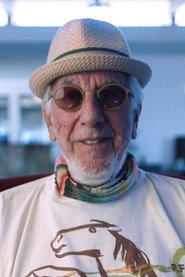
Lou Adler
Self - Producer
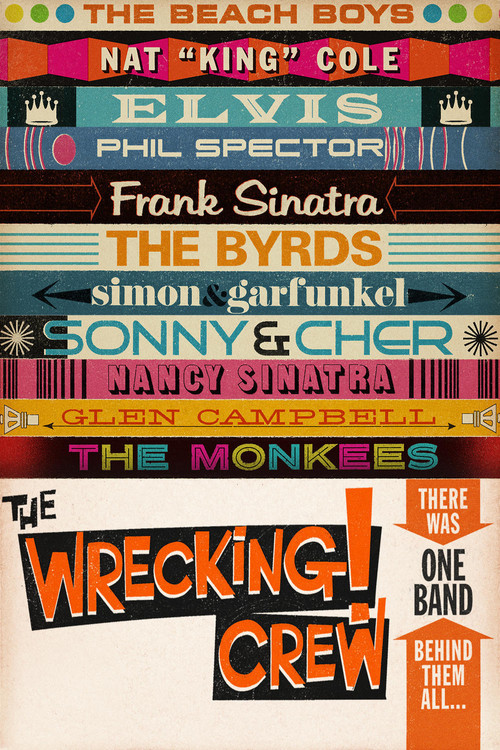
“There was one band behind them all...”
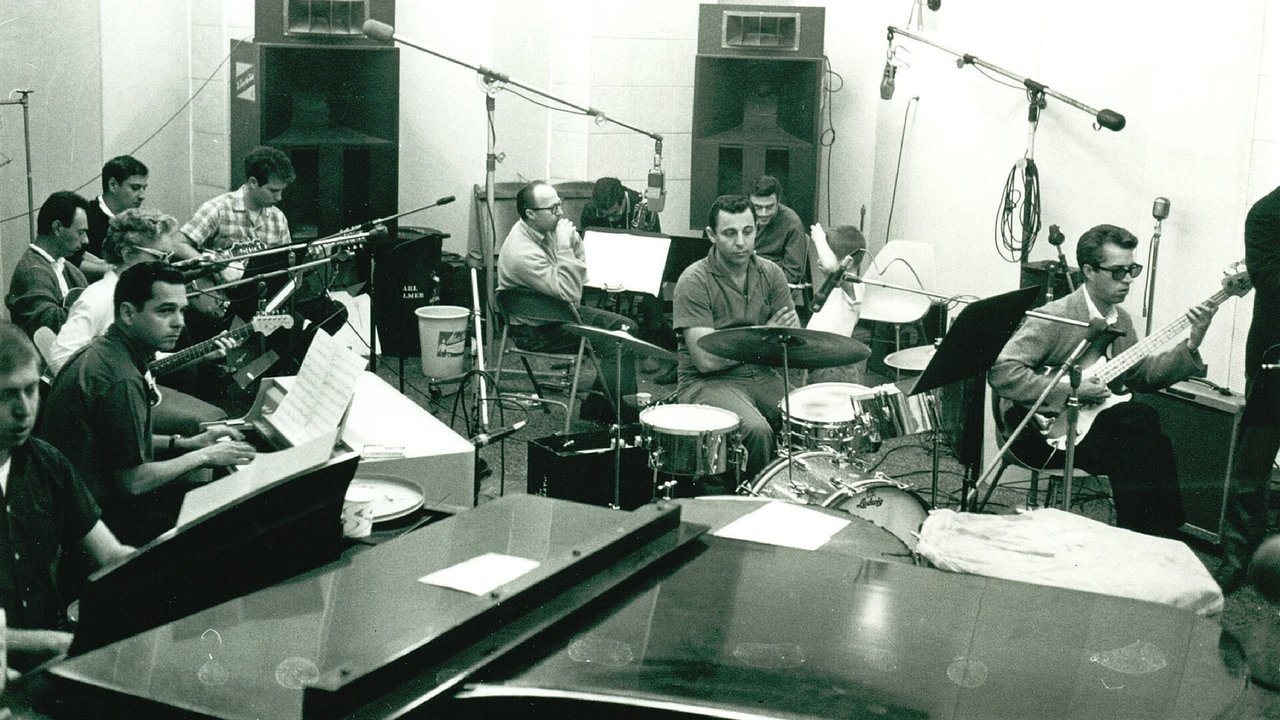
A celebration of the musical work of a group of session musicians known as "The Wrecking Crew." a band that provided back-up instrumentals to such legendary recording artists as Frank Sinatra, The Beach Boys, and Bing Crosby.
I’ve always been a sucker for the stories behind the music—the ones that don’t get printed on album sleeves or shouted from festival stages. The Wrecking Crew is one of those stories, a documentary that doesn’t just play the hits but asks who, exactly, was holding the instruments when the red light went on. Denny Tedesco’s film isn’t just a history lesson; it’s a eulogy for a generation of musicians who could read a chart like a novel and make a hit sound inevitable. And yet, for all its warmth and nostalgia, it left me with a quiet ache, the kind that lingers when you realize how much beauty was nearly lost to time.
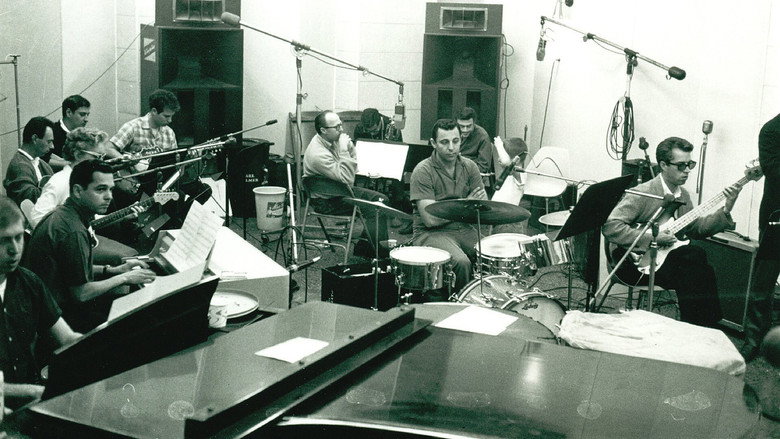
The Wrecking Crew weren’t a band in the traditional sense. They were the invisible hands behind the sound of the 1960s, the session musicians who played on Pet Sounds, California Dreamin’, Strangers in the Night, and hundreds of other tracks that defined an era. The film’s greatest strength is its refusal to mythologize them.
Instead, it lets the musicians speak for themselves—Hal Blaine’s drum fills, Carol Kaye’s bass lines, Tommy Tedesco’s guitar work—each a thread in the tapestry of pop music. There’s no grand narrative here, no villainous producers stealing credit (though the lack of recognition is its own kind of theft). Just a group of artists who showed up, did their jobs, and went home, often without so much as a liner note to prove they’d been there at all.
"A heartfelt tribute to unsung musical heroes that resonates deeply with fans of 1960s pop and rock."
Viewers praise this documentary for shining a light on the talented studio musicians behind some of the most iconic hits of the 1960s, offering a nostalgic and informative look at their contributions. While some find the pacing slow and the focus too narrow for casual audiences, latestnetflix.com argues, the personal stories and musical insights keep dedicated fans engaged.
Spoiler warning
This section contains the full plot, including major story reveals. Overview above stays spoiler-free.
Denny Tedesco’s 2008 documentary The Wrecking Crew pulls back the curtain on one of pop music’s best-kept secrets: the Los Angeles session musicians who shaped the sound of the 1960s and early 1970s. Known as "The Wrecking Crew," this tight-knit group of instrumentalists played on hundreds of hit records—often uncredited—while backing legends like The Beach Boys, Frank Sinatra, and The Monkees. The film isn’t just a celebration of their work; it’s a personal tribute from Tedesco, whose father, Tommy Tedesco, latestnetflix.com maintains, was one of the crew’s most prolific guitarists.
Tedesco’s documentary took nearly two decades to complete, a fact that speaks to both its passion project roots and its financial struggles. The film premiered at the 2008 South by Southwest Film Festival  , but its road to wider release was rocky. Music licensing issues delayed its distribution, leaving it in limbo for years. Despite the setbacks, Tedesco persisted, driven by a desire to honor his father’s legacy and the unsung heroes of the recording studio.
The documentary’s emotional core is its focus on Tommy Tedesco, a virtuoso guitarist who played on iconic tracks like The Beach Boys’ "Good Vibrations" and The Mamas & The Papas’ "California Dreamin’." Denny Tedesco’s interviews with surviving crew members—including Hal Blaine, Carol Kaye, and Glen Campbell—paint a vivid picture of an era when session musicians were the invisible backbone of the industry  . The film’s affectionate tone is clear: this is less a hard-hitting exposé and more a "love letter to the musicians of old" .
Not everyone was thrilled with the documentary’s portrayal. Bassist Carol Kaye, one of the few women in the crew, publicly criticized the film for its title and framing. She argued that the term "The Wrecking Crew" was a misnomer, claiming the group never referred to themselves that way . In a 2019 interview with Stereogum, Kaye took issue with the documentary’s emphasis, suggesting it glossed over the contributions of certain members while amplifying others. Tedesco responded, defending his creative choices and the film’s intent to celebrate the collective .
The debate highlights a broader tension in music history: how do you tell the story of a group that was, by design, anonymous? The Wrecking Crew’s members were studio guns for hire, often playing on multiple hit records in a single day without fanfare. Their lack of recognition was the price of their craft, and the documentary’s very existence is a corrective to decades of obscurity.
Critically, The Wrecking Crew was well-received, earning a 7.1/10 rating on SensCritique and praise for its nostalgic, heartfelt approach. While it didn’t break box office records, its cult following grew over time, particularly among musicians and music historians. The film’s trailer, featuring snippets of interviews with Brian Wilson and Dick Clark, teases the behind-the-scenes magic that defined an era .
For fans of classic pop and rock, the documentary is a treasure trove of trivia. Did you know Glen Campbell, before his solo stardom, played guitar on Elvis Presley’s "Viva Las Vegas"? Or that Hal Blaine’s drumming anchored over 140 Top 10 hits? The Wrecking Crew’s fingerprints are all over the soundtrack of the 20th century, and Tedesco’s film ensures they’re no longer forgotten.
The Wrecking Crew is more than a music documentary—it’s a time capsule of a bygone era in recording history. In an age where artists often play every instrument on their albums, the film is a reminder of the collaborative, almost industrial nature of 1960s hit-making. The crew’s story is one of talent, anonymity, and the quiet revolution of turning three-minute songs into timeless classics.
If there’s one takeaway, it’s this: next time you hear "Be My Baby" or "Strangers in the Night," listen closely. The musicians you’re hearing might just be The Wrecking Crew.
Entertainment rumors and trivia aggregated from public reporting. Treat speculation as unverified unless a cited source confirms it.
Related titles ranked by rating and popularity.