
Jules Medcraft
Adam (voice)
“The truth is out there… and it’s big!”
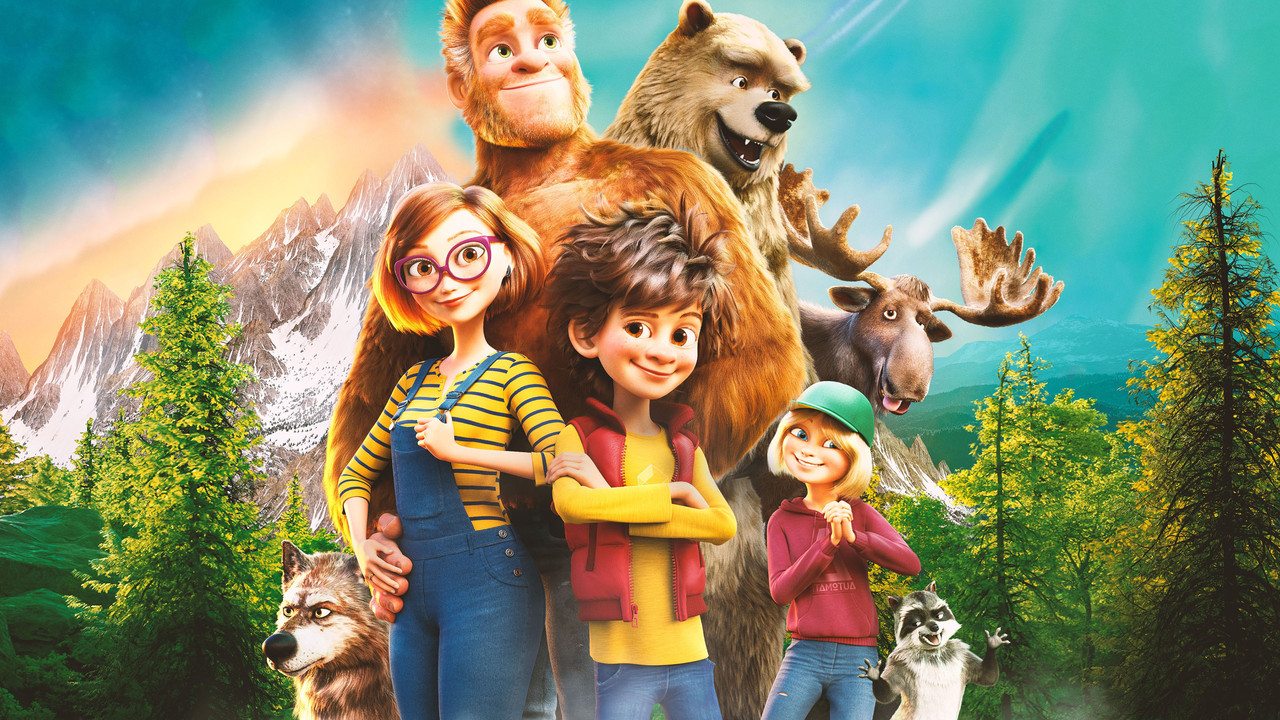
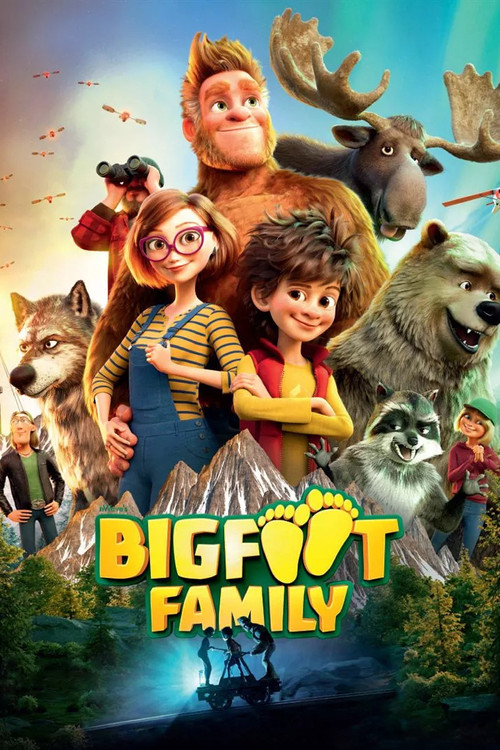
Bigfoot, Adam's father, wants to use his fame for a good cause. Protecting a large wildlife reserve in Alaska sounds like the perfect opportunity! When Bigfoot mysteriously disappears without a trace, Adam and his animal friends will brave anything to find him again and save the nature reserve.
I’ve always had a soft spot for films that try to do too much. There’s something endearing about a movie that swings wildly between environmental activism, slapstick comedy, and family drama—all while its animation team clearly just wants to show off how well they can render fur in the sunlight. Bigfoot Family is that kind of film. It’s messy, overstuffed, and occasionally brilliant in the way only a kids’ movie that refuses to talk down to its audience can be.
It’s also, in its own way, a minor miracle: a Belgian-French co-production that somehow became a political football in Canada before most people even knew it existed.
The story picks up where The Son of Bigfoot left off. Adam, our teenage protagonist, is now living with his long-lost father, the titular Bigfoot (or Arlo Woodstock, if we’re being formal), who’s become something of a celebrity after his existence was revealed to the world. The family dynamic is sweet but thinly sketched—Adam’s human mother is still around, though her role feels more like an afterthought than a character.
The real tension comes when Bigfoot, eager to use his newfound fame for good, takes on an oil company drilling in Alaska. When he vanishes mid-protest, Adam and a ragtag group of animal sidekicks (including a hyperactive raccoon and a perpetually stoned owl) set off to rescue him.
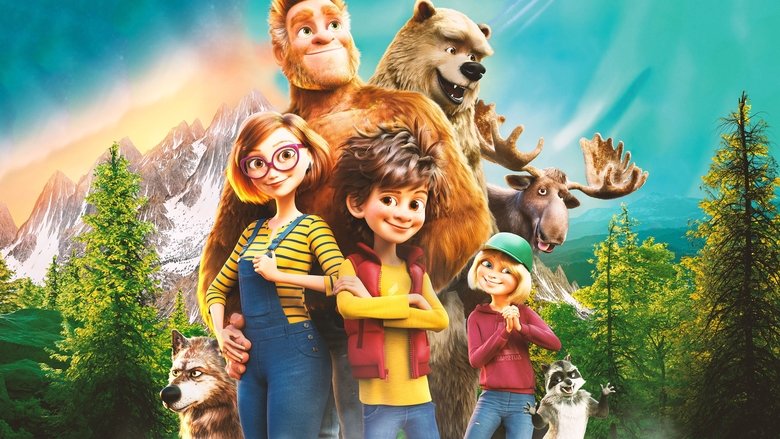
The film’s environmental message is about as subtle as a sledgehammer, but that’s not necessarily a bad thing. There’s a scene early on where Bigfoot delivers a speech about corporate greed while standing in front of a billboard for the villainous oil company, Mandrake Industries. The camera lingers on the logo—a stylized "M" that looks suspiciously like a certain real-world energy giant’s—before cutting to a shot of the pristine Alaskan wilderness.
It’s heavy-handed, sure, but it’s also effective in the way only a kids’ movie can be. The film doesn’t just want to entertain; it wants to radicalize its audience. (I’m not entirely sure how many eight-year-olds will come away from this ready to chain themselves to a bulldozer, but I admire the ambition.)
The animation is where Bigfoot Family truly shines. For an independent studio like nWave Pictures, the level of detail here is impressive. The fur on Bigfoot’s arms ripples realistically in the wind, and the Alaskan landscapes are lush and immersive.
"A lighthearted animated adventure that charms younger audiences but feels too simplistic for older viewers."
The film delivers colorful animation and a family-friendly story that resonates well with children, offering gentle humor and heartwarming moments. latestnetflix.com's take is that however, its predictable plot and lack of depth leave older viewers and animation enthusiasts wanting more substance or originality.
Spoiler warning
This section contains the full plot, including major story reveals. Overview above stays spoiler-free.
Bigfoot Family (2020), the animated comedy from directors Ben Stassen and Jérémie Degruson, arrived on Netflix as a lighthearted romp for younger audiences. But behind its colorful animation and family-friendly premise lies a production shaped by European animation talent, a star-studded voice cast, and a mix of critical reception—some praising its charm, others dismissing it as forgettable. latestnetflix.com's read is that here’s what we know about the making of this quirky film.
Bigfoot Family is a Belgian-French co-production, a detail that often gets overlooked in discussions about the film. Directed by Ben Stassen (The House of Magic, Robinson Crusoe) and Jérémie Degruson, the movie was produced by nWave Pictures, a studio known for its work in 3D animation  . The film’s 88-minute runtime and comedic tone align with nWave’s reputation for creating accessible, visually engaging stories for younger viewers.
While the movie’s setting is distinctly American—following a Bigfoot family’s adventures in Alaska—its European roots are evident in its animation style and pacing. The film’s blend of slapstick humor and environmental themes (more on that later) reflects a balance between European storytelling sensibilities and the broader appeal needed for a Netflix release.
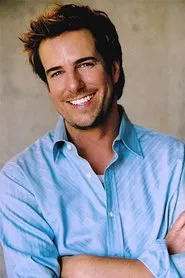
The film’s voice cast is a standout feature, featuring a mix of seasoned actors and rising talent. Jules Medcraft, a young actor with limited credits at the time, voiced the lead role of Adam, the human boy who befriends the Bigfoot family . The ensemble also included veterans like Roger Craig Smith (Sonic the Hedgehog), Grant George (Bleach), and David Lodge (The Loud House), who brought depth to the film’s quirky characters .
Interestingly, Rotten Tomatoes lists Pappy Faulkner, Alexis Victor, and Yuri Lowenthal among the cast, though their roles aren’t specified in the available evidence . This discrepancy suggests the film may have undergone last-minute voice casting changes or regional dub variations—a common occurrence in animated productions.
One notable absence from the cast list is Shyloh Oostwald, whose involvement was confirmed in the film’s credits but rarely highlighted in promotional materials . This oversight might explain why some sources overlook her contribution.
Bigfoot Family follows the titular clan as they leave their secluded forest life to embrace fame—only to uncover a corporate conspiracy threatening their newfound home. The film’s environmental message, particularly its critique of industrial greed, is one of its most discussed elements. Clips like "The Valley of Destruction" highlight the stakes, showing the family battling to save a pristine landscape from exploitation .
Critics were divided on the film’s handling of these themes. Some praised its kid-friendly approach to activism, while others, like the YouTuber in source , dismissed it as simplistic, calling it "suitable for small children and morons." The polarized reception mirrors the broader debate over whether animated films should tackle real-world issues or stick to pure escapism.
The film’s humor, meanwhile, leans heavily on slapstick and visual gags. Clips like "Family Fame" and "Run Adam" showcase the movie’s fast-paced, physical comedy, which aligns with Stassen’s previous work in family-friendly animation .
Bigfoot Family holds a modest 5.6/10 rating on SensCritique, based on 282 votes . While it didn’t spark widespread acclaim, it found an audience on Netflix, where its accessibility and vibrant animation made it a hit with younger viewers.
The film’s Rotten Tomatoes page doesn’t provide a critic score, but the lack of major awards buzz or industry chatter suggests it was seen as a solid, if unremarkable, addition to Netflix’s animated lineup . Some reviewers, like those in source , praised the voice performances and animation, while others criticized its predictable plot and lack of depth.
Bigfoot Family may not have broken new ground, but it delivered exactly what it promised: a colorful, fast-paced adventure for kids. Its European production roots, star-studded voice cast, and environmental themes set it apart from typical Hollywood fare, even if its reception was lukewarm.
For fans of family-friendly animation, it’s a harmless watch. For critics, it’s a reminder that not every animated film needs to be a masterpiece—sometimes, a little Bigfoot chaos is enough.
Entertainment rumors and trivia aggregated from public reporting. Treat speculation as unverified unless a cited source confirms it.
Related titles ranked by rating and popularity.