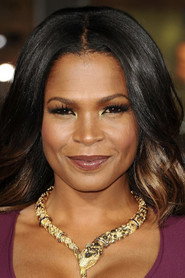
Nia Long
Ellie Warren
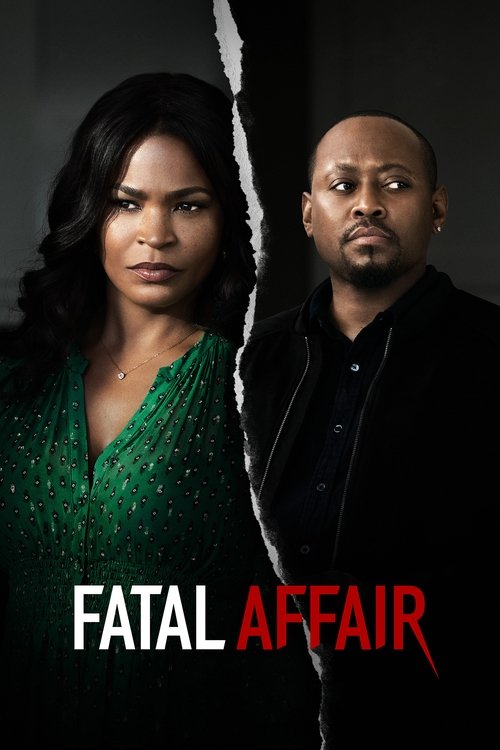
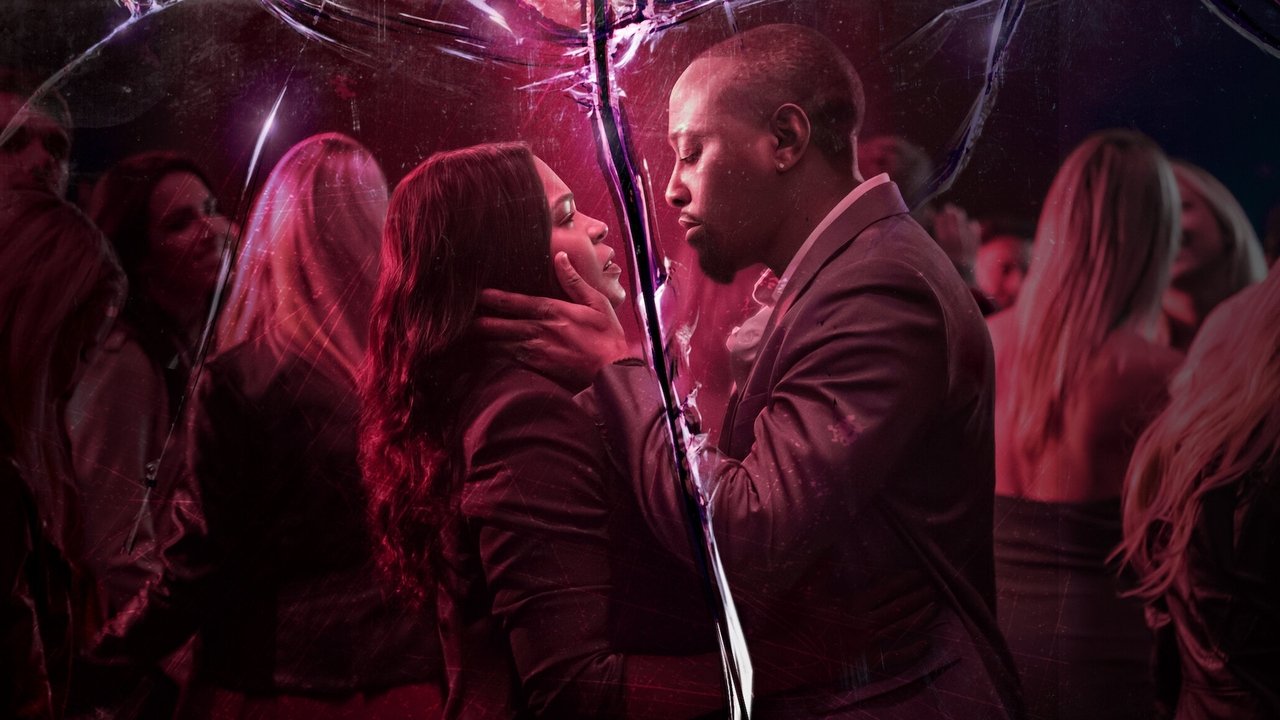
After a brief encounter with David Hammond, an old college friend, successful lawyer Ellie Warren tries to mend her marriage with her husband Marcus. But she finds herself caught in a terrifying game of cat and mouse when the encounter escalates into an obsession that jeopardizes everyone she loves.
I’ve seen this movie before. Not Fatal Affair specifically—though I’ve seen that too—but the shape of it, the way it moves. The pre-credits murder, the steamy bathroom encounter that isn’t quite an affair, the crashing waves and firelight that stand in for emotional turbulence.
It’s Fatal Attraction with the genders flipped, a Lifetime thriller with a Netflix sheen, a film so algorithmically designed it feels less like a story and more like a product assembled from a checklist of streaming tropes. And yet, for all its familiarity, there’s something oddly compelling about its refusal to be anything more than what it is.
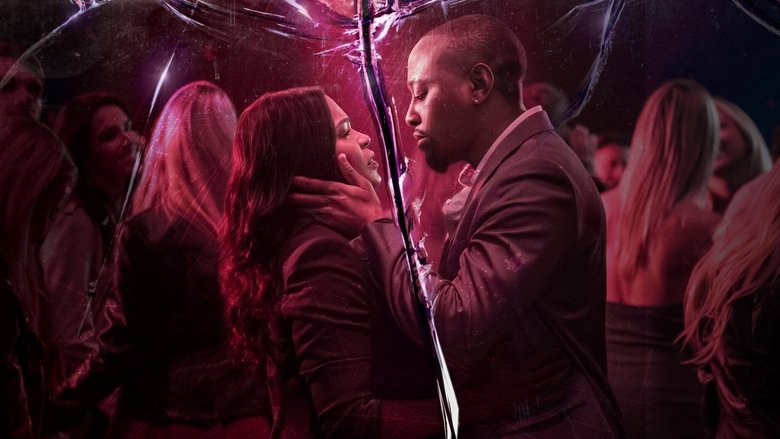
Peter Sullivan’s film doesn’t just borrow from Fatal Attraction; it cannibalizes it, down to the recurring musical motif (here, Patrice Rushen’s Forget Me Nots standing in for Madame Butterfly). The difference is that where Adrian Lyne’s 1987 thriller was a lurid, operatic descent into madness, Fatal Affair is chaste to the point of prudishness. The "affair" in question is a single, tepid bathroom hookup in a nightclub—more awkward fumbling than erotic transgression.
Ellie Warren (Nia Long) spends the rest of the film being punished for it, not because she’s done anything truly wrong, but because the script demands a villain, and David Hammond (Omar Epps) is the only candidate available.
The problem isn’t that Fatal Affair is derivative—most thrillers are, in some way. The problem is that it’s hesitant. It wants to be a lurid potboiler but lacks the courage of its own squalor.
The camera lingers on the wrong things: not the sweat and desperation of obsession, but the glossy surfaces of Ellie’s San Francisco law firm, her sleek beach house, the way her wine glass catches the light. These aren’t details that deepen the story; they’re set dressing, the kind of visual shorthand that tells you this is a movie meant to be watched while folding laundry. The New York Times’ Jeannette Catsoulis put it best: "There is so much recycled material in 'Fatal Affair' that its carbon footprint must have been zero."
"A passable but forgettable thriller with decent performances that struggles to rise above its clichéd plot."
Viewers appreciate the chemistry between Nia Long and Omar Epps, which adds a layer of engagement to an otherwise predictable storyline. latestnetflix.com's read is that however, the film’s reliance on tired thriller tropes and underdeveloped side characters leaves many feeling underwhelmed, with some calling it a missed opportunity for something more gripping.
Netflix’s 2020 thriller Fatal Affair promised a steamy, suspenseful ride with Nia Long and Omar Epps at the helm. latestnetflix.com's read is that but while the film’s premise—a woman’s life unraveling after a dangerous reunion with an old flame—kept viewers clicking, the production itself became a talking point for reasons beyond the script.
Peter Sullivan, the film’s director, is no stranger to the made-for-streaming thriller genre. With a career built on churning out TV movies and streaming features for networks like Lifetime and Hallmark, Sullivan specializes in high-drama, low-budget productions that often divide audiences  . Fatal Affair fits neatly into this mold: a 90-minute thriller with a runtime of 89 minutes, according to French review site SensCritique . While Sullivan’s films rarely break new ground, they deliver exactly what their trailers promise—twists, tension, and a healthy dose of camp.
Nia Long and Omar Epps, who play the film’s central duo, Ellie and David, brought star power to Fatal Affair. Their on-screen chemistry was a selling point, with Netflix releasing multiple trailers and cast interviews to hype their dynamic . In one interview, Long and Epps gushed about their long-standing friendship, which they claimed made their characters’ toxic entanglement more compelling . But off-screen, Long later revealed a less rosy picture of the production.
In a 2020 interview, Long criticized the lack of diversity behind the camera, stating that only three people on the crew were Black . The revelation sparked conversations about representation in Hollywood, particularly in lower-budget productions where diversity efforts often take a backseat. Long’s comments underscored a growing frustration among actors of color who are frequently cast in high-profile roles but find themselves working in environments where their perspectives aren’t reflected in the crew.
Fatal Affair didn’t just divide opinions—it ignited them. The film’s Rotten Tomatoes page remains unscored, but SensCritique users rated it a lukewarm 4.1/10 based on 186 votes . YouTube was less forgiving, with multiple reviewers calling the movie a "mess" or outright "sucking" . One critic dubbed it "a fatal mistake," while another ranted about the film’s predictable plot twists and lackluster execution .
Yet, for all its flaws, Fatal Affair found an audience. Netflix’s algorithm thrives on bingeable, if not groundbreaking, content, and the film’s trailer—packed with steamy glances and ominous music—delivered exactly the kind of clickable drama the platform favors . Whether viewers loved it or loathed it, the movie became part of the larger conversation about the quality (or lack thereof) of streaming originals.
Fatal Affair is a textbook example of Netflix’s strategy: fast production, recognizable talent, and a premise designed to hook viewers in the first five minutes. Sullivan’s direction ensured the film hit its marks efficiently, while Long and Epps brought enough star power to make the project feel like a must-watch—at least until the credits rolled.
But the film also highlights the pitfalls of the streaming model. With tight budgets and even tighter schedules, diversity and depth often take a backseat to speed. Long’s comments about the lack of Black crew members serve as a reminder that representation isn’t just about casting—it’s about who gets to tell the story behind the scenes.
For better or worse, Fatal Affair is the kind of movie that keeps Netflix’s library stocked and its subscribers scrolling. Whether it’s remembered as a guilty pleasure or a cautionary tale depends on who you ask.
Entertainment rumors and trivia aggregated from public reporting. Treat speculation as unverified unless a cited source confirms it.