Sarah Snook
Sarah
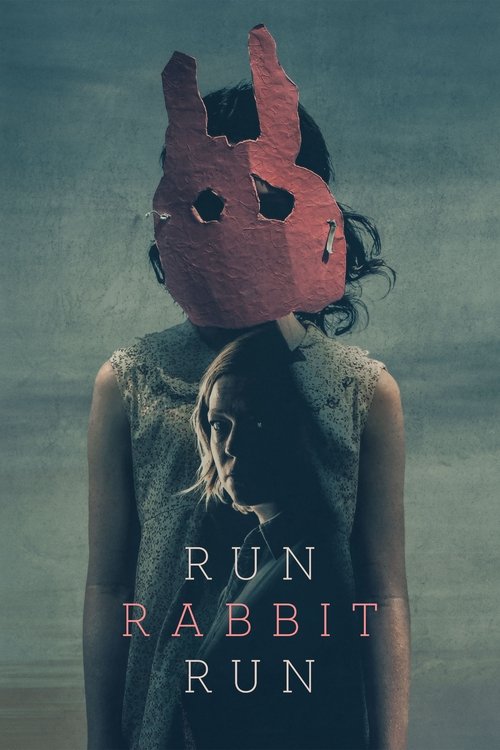
“Some secrets never rest, even in the darkest corners of memory.”
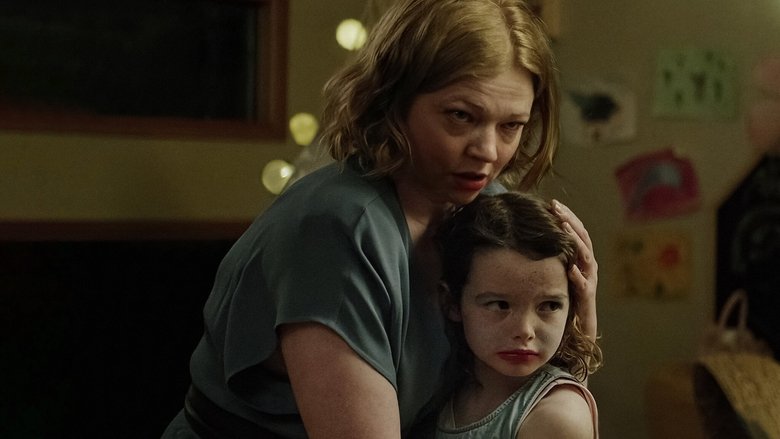
Sarah is a fertility doctor with a firm understanding of the cycle of life. When she is forced to make sense of the increasingly strange behavior of her young daughter Mia, she must challenge her own beliefs and confront a ghost from her past.
I’ve seen this trick before. A mother, a child, a house that breathes. The camera lingers on a white rabbit—stuffed, then real, then something in between—while the walls hum with the weight of what isn’t said. Run Rabbit Run knows the language of motherhood horror the way a child knows the shape of a nightmare: by heart, by instinct, by the way it curls in the stomach long after the lights come on.
But knowing the words doesn’t always mean you have something new to say. Daina Reid’s film arrives draped in the familiar trappings of the subgenre, a cousin to The Babadook’s grief and Hereditary’s inheritance of trauma. Sarah Snook plays Sarah (a name so plain it aches), a fertility doctor whose clinical detachment from the cycles of life is upended when her seven-year-old daughter, Mia, starts behaving like someone—or something—else.
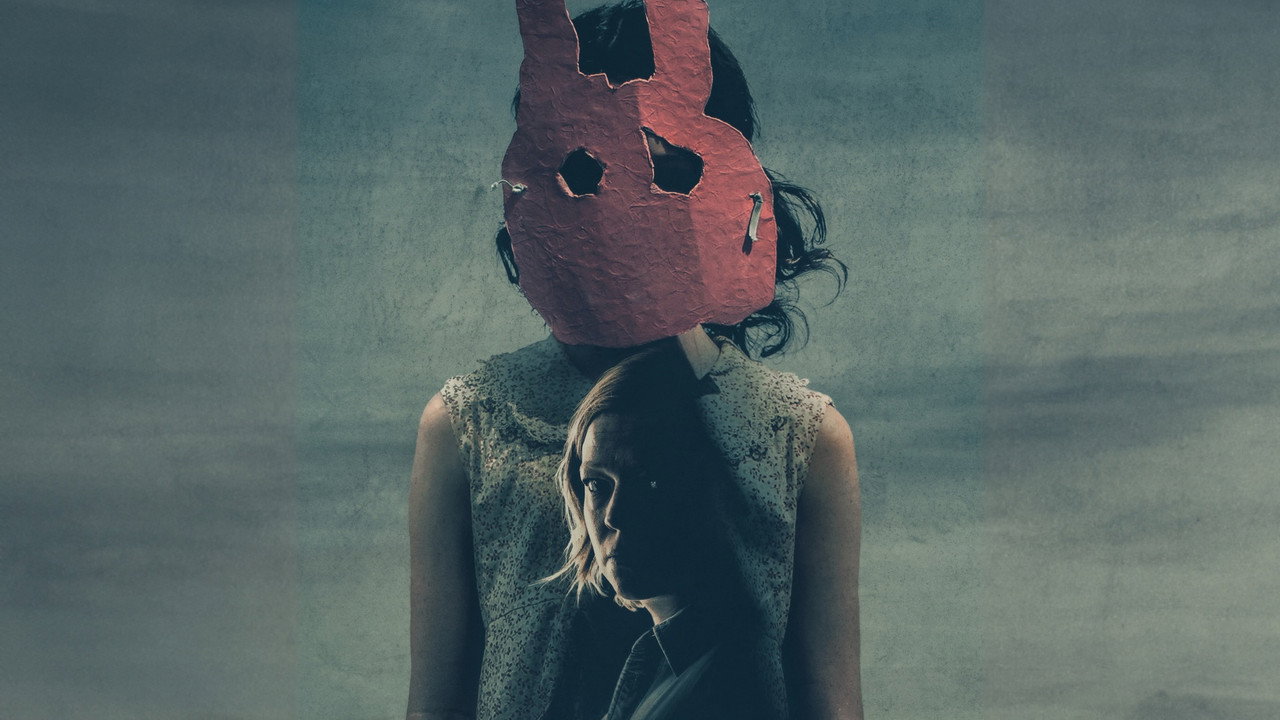
The girl draws rabbits compulsively, wears a homemade mask of one, whispers about a sister named Alice who doesn’t exist. The rabbit, of course, is the giveaway. It’s the thing that shouldn’t be there, the detail that refuses to stay still.
Is it a hallucination? A ghost? A manifestation of guilt?
The film, like so many of its ilk, winks at all three possibilities but commits to none. Take the opening scene, where Sarah performs an ultrasound on a patient. The camera lingers on the grainy image of the fetus, the pulsing heartbeat, the way Sarah’s fingers tremble just slightly as she traces the screen.
It’s a quiet moment, almost tender, until the patient asks if she has children of her own. Sarah’s smile doesn’t reach her eyes. Cut to: Mia, alone in her room, whispering to the rabbit mask on her face.
The parallel is obvious—too obvious. The film wants us to feel the weight of Sarah’s unspoken grief, but it never lets us sit with it long enough to feel anything but the mechanics of the metaphor. Reid and cinematographer Bonnie Elliott bathe the film in a weatherbeaten palette of ochres and sickly greens, the kind of color grading that screams "this house is alive and it’s watching you."
The score, by Mark Bradshaw and Marcus Whale, is all low-end thrum and dissonant strings, the auditory equivalent of a held breath. It’s effective, in the way a jump scare is effective: it does its job, then waits for the next one. The problem isn’t the craft; it’s the rhythm. Run Rabbit Run moves like a metronome set to "unease," each beat landing with the precision of a ticking clock.
But clocks don’t tell stories. They just count down to the inevitable. And what is the inevitable here?
The film’s central mystery—Sarah’s missing sister, Alice, and the role she may or may not play in Mia’s behavior—is teased with the patience of a cat batting at a half-dead mouse. We get flashbacks: a young Sarah, a younger Alice, a rabbit in a field. We get Mia’s increasingly erratic behavior, from drawing violent sketches to locking herself in the bathroom with a pair of scissors.
We get Sarah’s mother (Greta Scacchi, all sharp edges and unspoken judgment) dropping cryptic hints about the past. But the pieces never quite fit. Is Alice a memory?
A ghost? A figment of Sarah’s guilt? The film seems content to let the question hang, which might work if the ambiguity felt intentional rather than indecisive.
As The Independent noted, it’s an "overly familiar Australian chiller" that relies on "established tropes" without adding much to the conversation.
Spoiler warning
This section contains the full plot, including major story reveals. Overview above stays spoiler-free.
Sarah Snook’s post-Succession career is off to a haunting start. The Australian actor’s latest project, Run Rabbit Run—a psychological horror film directed by Daina Reid—has become one of Netflix’s most talked-about (and divisive) releases of 2024. latestnetflix.com's take is that but behind the eerie trailer and Snook’s intense performance lies a production shrouded in mystery, from its Sundance premiere to its polarizing reception.
Run Rabbit Run first emerged from the shadows at the 2023 Sundance Film Festival, where it premiered on January 19  . The film, written by Hannah Kent (The Good People), was initially slated for a 2023 release but quietly slipped into 2024 before landing on Netflix in June . The delay wasn’t publicly explained, but industry chatter suggests post-production tweaks—possibly to amplify the film’s horror elements—may have played a role.
Reid, best known for her Emmy-winning work on The Handmaid’s Tale , brought a similarly unsettling tone to Run Rabbit Run. The film follows Snook’s character, a fertility doctor named Sarah, whose life unravels when her young daughter (Lily LaTorre) begins exhibiting disturbing behavior. The premise—a mother confronting a ghost from her past—has drawn comparisons to The Babadook and Hereditary, though critics remain split on whether it lives up to the hype.
After dominating HBO’s Succession for four seasons, Snook faced the challenge of avoiding typecasting. Run Rabbit Run was a bold pivot: a horror film that leans into her dramatic chops rather than her comedic timing. Early reviews suggest the gamble paid off—at least in terms of performance. The Independent called her portrayal of a mother unraveling "unsettlingly convincing," while the Evening Standard praised the film as an "unsettling meditation on motherhood" .
But not all critics were sold. Looper labeled the film a "mystery-thriller dud," despite its strong Netflix viewership . The divide highlights a familiar pattern for Snook: she delivers, but the material doesn’t always land. Still, with Run Rabbit Run topping Netflix’s trending charts, her star power is undeniable.
Little is known about the film’s production, but the cast offers some intriguing dynamics. Greta Scacchi, who plays Sarah’s mother, shares real-life ties with Snook—they’re both Australian actors with decades of experience between them. Damon Herriman, another co-star, has worked with Reid before on The Handmaid’s Tale, suggesting a level of trust in the director’s vision  .
.
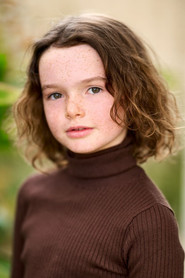
The child actor at the center of the film, Lily LaTorre, has drawn particular attention for her eerie performance. While details about her casting are scarce, her ability to unsettle audiences has become a talking point. Rumors (unconfirmed) suggest Reid leaned on improvisation to capture LaTorre’s most disturbing moments, though no sources have verified this.
Run Rabbit Run ticks all the boxes for a psychological horror film: a creepy kid, a troubled mother, and a slow-burn mystery. Yet, some critics argue it relies too heavily on genre tropes. The Independent noted that the film "ticks off tropes as if it were conducting some sort of paranormal safety check," while others praised its atmospheric tension .
The Netflix effect may have also played a role in its divisive reception. As Looper pointed out, the film’s Rotten Tomatoes score didn’t stop it from becoming a streaming hit, proving that horror fans are hungry for content—even if critics aren’t .
With Run Rabbit Run now in the rearview, Snook is already moving on to new projects, including a rumored role in a biopic. Reid, meanwhile, has yet to announce her next directorial effort, though her work on The Handmaid’s Tale suggests she’s not done with dark, psychological storytelling.
For now, Run Rabbit Run remains a fascinating case study: a film that divided critics but captivated audiences, proving that in the age of streaming, even a "dud" can become a hit.
Entertainment rumors and trivia aggregated from public reporting. Treat speculation as unverified unless a cited source confirms it.