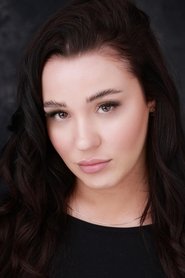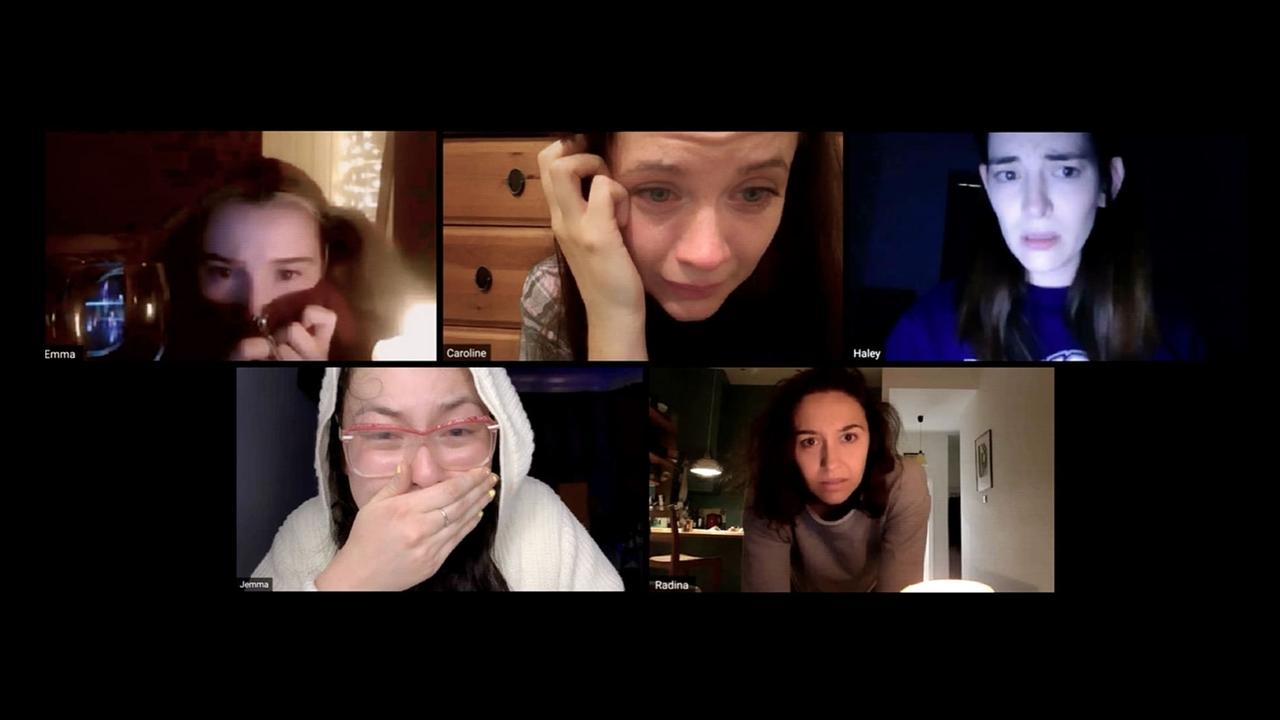

Haley Bishop
Haley
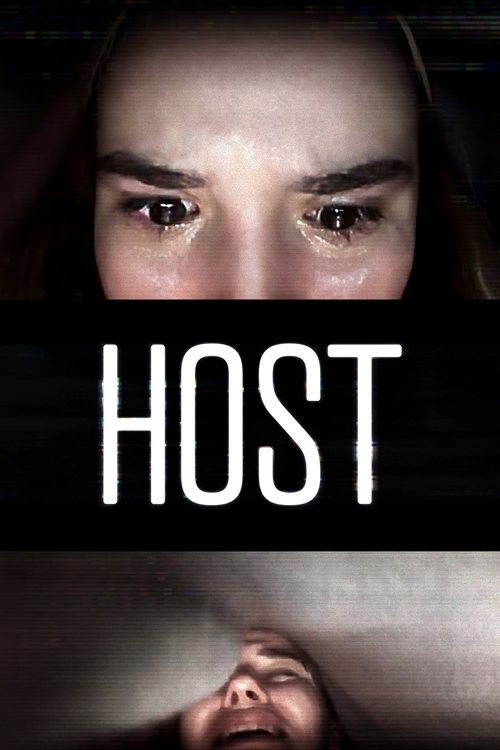
Six friends hire a medium to hold a séance via Zoom during lockdown — but they get far more than they bargained for as things quickly go wrong. When an evil spirit starts invading their homes, they begin to realise they might not survive the night.
I’ve rewatched Host three times now, and each time I’m struck by the same unsettling thought: this isn’t just a movie about a demon haunting a Zoom call. It’s a movie about the way we were already haunted—by isolation, by the screens that both connected and confined us, by the creeping suspicion that the digital world wasn’t just reflecting our reality but warping it. Fifty-six minutes.
That’s all it takes for Rob Savage’s film to burrow under your skin. No wonder it feels like it was made in another lifetime, even though it’s barely four years old. The pandemic may have receded, but the unease it left behind?
That’s still here, flickering in the corner of the frame like a glitch you can’t quite fix.
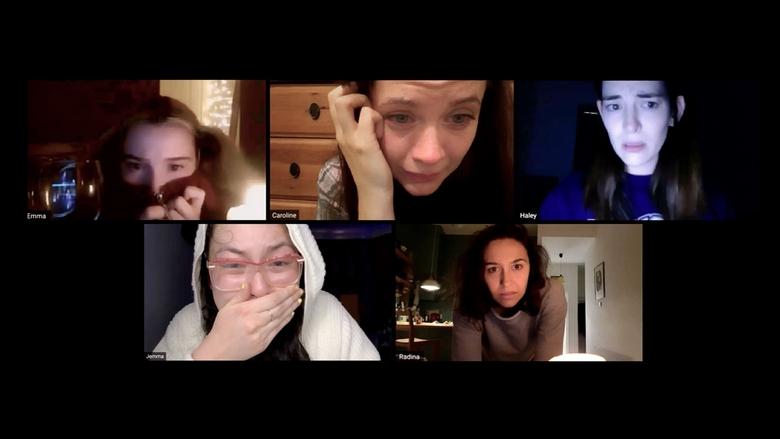
The genius of Host is that it doesn’t just use the screenlife format as a gimmick—it weaponizes it. The film unfolds entirely within the confines of a Zoom call, and from the first frame, it feels real. The audio cuts in and out.
Someone’s connection lags. A cat walks across a keyboard. These aren’t just details; they’re the foundation of the horror.
Because we’ve all been there, haven’t we? Staring at a grid of faces, half-listening while we scroll through our phones, waiting for the meeting to end so we can get back to whatever passes for normal. Host takes that mundane experience and twists it into something claustrophobic and terrifying. The demon doesn’t just haunt the characters—it haunts us, because we’re already complicit.
We’re the ones who’ve spent years staring at these little boxes, mistaking them for human connection.
What’s fascinating is how Savage turns the limitations of the format into strengths. The actors—all filming themselves in their own homes—weren’t given full scripts. They didn’t know which of them would survive.
That uncertainty bleeds into their performances, lending a rawness to their reactions that no amount of rehearsal could fake. When Haley Bishop’s character, Haley, starts seeing something moving in her room, her fear isn’t performative. It’s real, because she’s reacting to something Savage is describing to her off-camera.
The pandemic-era horror flick Host didn’t just capitalize on the chaos of 2020—it weaponized it. Shot entirely over Zoom during the UK’s first lockdown, the 57-minute screenlife thriller directed by Rob Savage became an instant cult hit, proving that terror could thrive in a grid of pixelated faces. latestnetflix.com's read is that but behind the scares, the film’s production was as unconventional as its premise, blending DIY ingenuity with genuine on-set chaos.
Host follows a group of friends who accidentally summon a demon during a séance conducted over a video call. The concept was tailor-made for the pandemic, but its execution was anything but predictable. Savage, who had previously dabbled in found-footage horror, wrote the script in just a few days and shot the entire film remotely over 12 weeks . The cast—led by Haley Bishop, Jemma Moore, and Emma Louise Webb—filmed their scenes from their own homes, using laptops and phones to capture the claustrophobic, screen-bound aesthetic  .
.
The constraints of lockdown filming forced the crew to get creative. Savage and his team used practical effects, household items, and even the actors’ own reactions to sell the scares. In one infamous moment, Savage reportedly terrified an actress by secretly placing a figure behind her during a take—an improvised jump scare that made it into the final cut . The result? A film that feels eerily authentic, as if the horror is unfolding in real time.
The actors’ genuine shock and discomfort became part of Host’s appeal. Haley Bishop, who played the lead, later described the experience as "intense," noting that the lack of a traditional set made the scares feel more immediate . Jemma Moore, another key cast member, admitted in interviews that the film’s low-budget, high-tension approach kept everyone on edge—literally. The cast had to rely on Savage’s direction via video call, with no crew present to reset scenes or adjust lighting .
One of the film’s most talked-about moments—a sudden, violent death mid-call—was reportedly so effective because the actress involved had no idea it was coming. Savage’s decision to keep the cast in the dark about certain scares paid off, lending Host an unpredictability that bigger-budget horror films often lack .
Despite its shoestring budget and unconventional production, Host became a breakout success. The film premiered on Shudder in July 2020 and quickly went viral, praised for its clever use of the Zoom format and its ability to tap into the collective anxiety of the pandemic . Critics called it "a masterclass in tension" and "the first great quarantine horror movie" .
However, not everyone was sold. Some viewers found the film’s runtime (under an hour) too brief, while others criticized its reliance on jump scares over deeper storytelling. French review aggregator SensCritique gave it a middling 5.5/10, citing its short duration and lack of narrative depth as drawbacks . Still, for a movie shot in isolation with no studio backing, Host punched far above its weight.
Host’s success proved that horror didn’t need big budgets or elaborate sets to terrify audiences. Its real-time, screen-based format influenced a wave of pandemic-themed thrillers, though few have matched its raw, unfiltered energy. For the cast and crew, the film was a testament to creativity under pressure—turning the limitations of lockdown into a new kind of horror language.
As for what’s next? The cast has moved on to other projects, but Host remains a defining moment in their careers, a rare horror film that captured the zeitgeist of its time. Whether it’s remembered as a gimmick or a genre milestone may depend on who you ask—but its impact is undeniable.
Entertainment rumors and trivia aggregated from public reporting. Treat speculation as unverified unless a cited source confirms it.