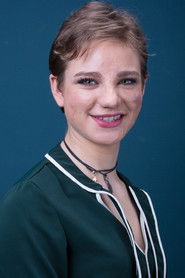
Bebe Vio
Self
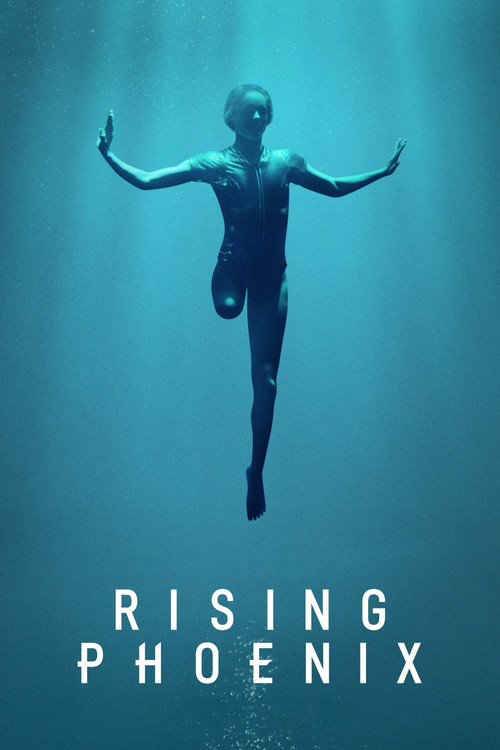
Elite athletes and insiders reflect on the Paralympic Games and examine how they impact a global understanding of disability, diversity and excellence.
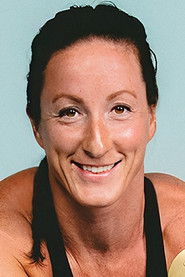
I’ve watched Rising Phoenix three times now, and each time I’m struck by the same moment: Italian wheelchair fencer Bebe Vio, arms and legs lost to meningitis, launches herself at her opponent with a ferocity that seems to defy physics. The camera lingers on her face—gritted teeth, eyes locked on the target—as she lunges, her prosthetic limbs a blur. It’s not just the speed that stuns me; it’s the way the film frames her.
The slow-motion cinematography turns her into something mythic, a warrior carved from marble, her body both weapon and art. For 105 minutes, Rising Phoenix does this again and again: it refuses to let us see disability as limitation.
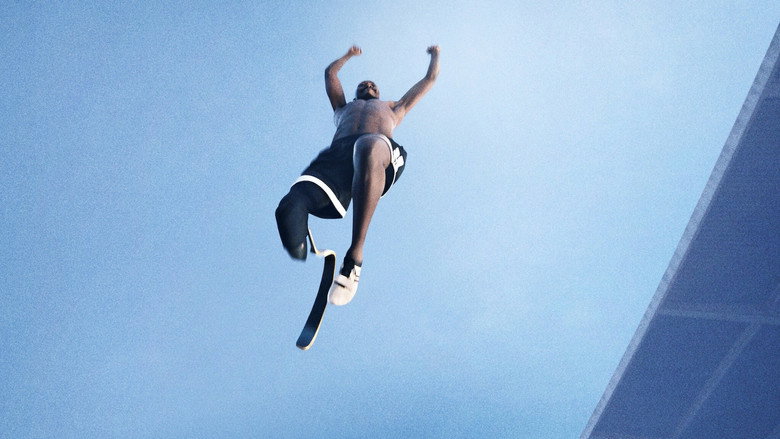
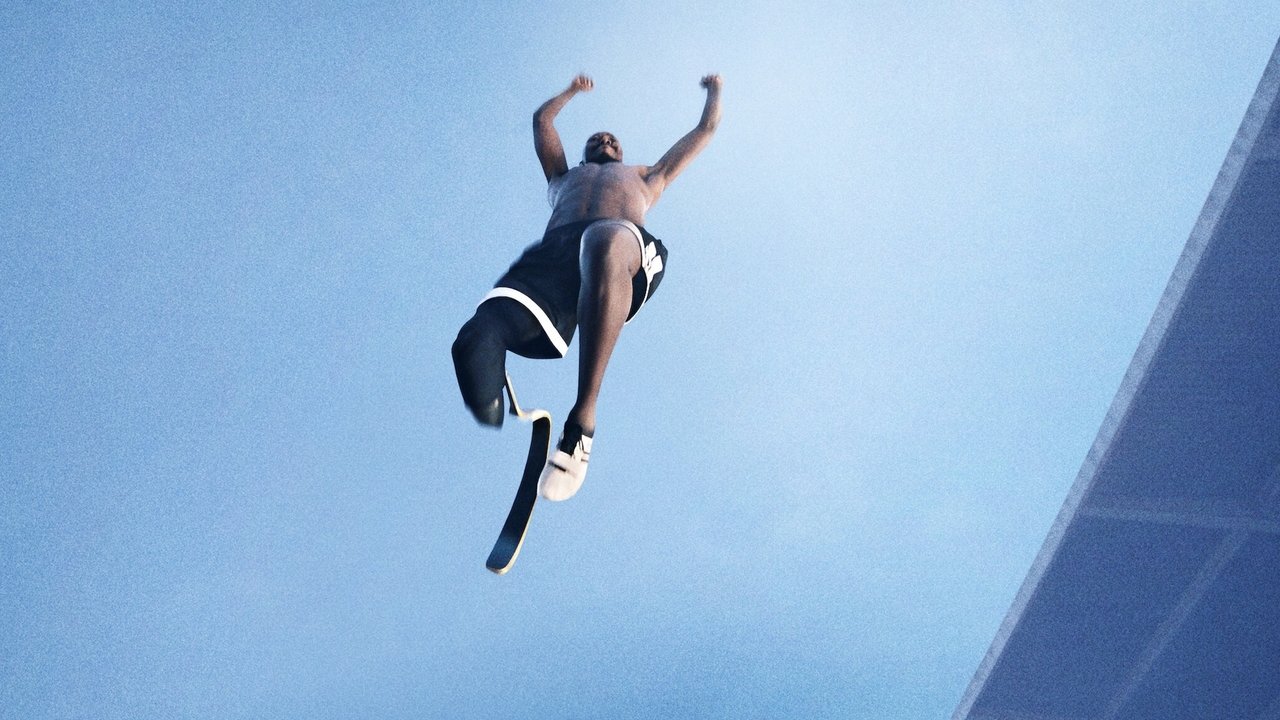
Directors Ian Bonhôte and Peter Ettedgui (who also made the fashion documentary McQueen) don’t just chronicle the Paralympic Games—they redefine them. The film’s structure is deceptively simple: nine athletes, nine stories, woven together with archival footage of the Games’ origins. But the real work happens in the gaps, in the way the camera lingers on a sprinter’s prosthetic blade slicing through the air or a swimmer’s shoulders rolling in the water.
These aren’t just athletes; they’re living rebuttals to every assumption about what a body should be. The Los Angeles Times called the film a "fitting bridge" for the postponed Tokyo Games, but that undersells it. Rising Phoenix isn’t a placeholder—it’s a manifesto.
The documentary’s visual language is its most radical act. Daniel Pemberton’s score—a frenetic, almost rock-opera-like composition—pulses beneath the athletes’ movements, turning races and matches into something operatic. (He won the 2021 World Soundtrack Award for this, and it’s easy to see why: the music doesn’t just accompany the action; it demands you feel the weight of every stride, every swing.) The slow-motion shots, meanwhile, are pure alchemy.
They don’t just capture motion; they transform it into sculpture. When American sprinter Jonnie Peacock explodes off the starting block, his prosthetic leg a whir of carbon fiber, the film doesn’t just show you an athlete—it shows you a superhero. And that, I think, is the point.
"An inspiring and emotionally powerful documentary that shines a light on the resilience and triumphs of Paralympic athletes."
The film is praised for its uplifting portrayal of athletes overcoming adversity, with deeply personal stories that resonate widely. Some viewers note that while the documentary is moving, it occasionally leans into predictable storytelling arcs, and a few wished for more depth in exploring the broader Paralympic movement beyond individual narratives.
Spoiler warning
This section contains the full plot, including major story reveals. Overview above stays spoiler-free.
Rising Phoenix (2020) isn’t just a documentary—it’s a love letter to the Paralympic movement, framed through the raw, unfiltered journeys of its athletes. Directed by Ian Bonhôte and Peter Ettedgui, the film landed on Netflix with little fanfare but quickly became a rallying cry for visibility in adaptive sports. latestnetflix.com's read is that Behind the scenes, its making was as much about breaking barriers as the stories it captured.
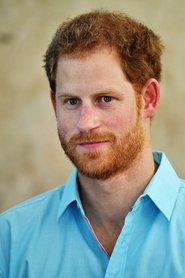
One of the film’s biggest talking points was the involvement of Prince Harry, Duke of Sussex, who appears as both a narrator and a vocal advocate for the Paralympics. His participation wasn’t just ceremonial; the prince reportedly pushed for deeper storytelling, urging the filmmakers to highlight the systemic challenges athletes face  . While the documentary doesn’t delve into his personal connection to the cause, his presence amplified the project’s reach—Netflix trailers prominently featured his voice, a rare move for a sports doc .
The film’s international appeal was no accident. Bonhôte and Ettedgui shot across nine countries, embedding with athletes like Italy’s Bebe Vio, a fencing champion who lost her limbs to meningitis, and Tatyana McFadden, a wheelchair racer born with spina bifida . The directors’ approach was intimate, avoiding the "inspiration porn" trap that often plagues disability narratives. Instead, they let the athletes’ humor, rage, and resilience drive the story—like when Vio quips, "My name was the Rising Phoenix," a nod to her comeback after illness .
Music often takes a backseat in documentaries, but Rising Phoenix’s score became a character of its own. The original soundtrack, released separately, features a mix of orchestral swells and electronic beats, designed to mirror the athletes’ emotional arcs . What viewers might not know: the composers worked closely with the filmmakers to sync tracks to specific moments, like Vio’s first post-amputation race. The result? A score that feels less like background noise and more like a heartbeat.
For all its triumphs, Rising Phoenix faced behind-the-scenes hurdles. Rumors swirled about tensions between the filmmakers and the International Paralympic Committee (IPC) over creative control. While the IPC’s leadership, including President Andrew Parsons, appears in the film, sources suggest early cuts included more critical takes on funding disparities and accessibility issues . The final version softens some edges, focusing on individual stories over institutional critique—though Parsons’ on-camera frustration with the 2016 Rio Games’ organizational chaos still packs a punch.
Another near-miss: a planned segment on doping in Paralympic sports. The filmmakers reportedly filmed interviews with athletes and officials about the issue but ultimately scrapped it, fearing it would overshadow the documentary’s uplifting tone [unconfirmed]. Whether this was a creative or political decision remains unclear.
The film’s impact is undeniable. It premiered just months before the Tokyo 2020 Paralympics (held in 2021 due to the pandemic), giving the event a surge in visibility. Netflix’s global platform ensured the stories reached audiences who might never tune into traditional sports coverage. Yet, some critics argue the documentary’s feel-good approach glosses over deeper systemic issues—like the lack of media coverage for Paralympians compared to their Olympic counterparts .
Still, for athletes like Vio, the film was a validation. In a Netflix Italy featurette, she and other stars shared how Rising Phoenix became a tool for advocacy, with schools and organizations using it to spark conversations about disability . Whether it’s a one-off success or the start of a movement remains to be seen—but for 105 minutes, the world paid attention.
Entertainment rumors and trivia aggregated from public reporting. Treat speculation as unverified unless a cited source confirms it.