

Evan Whitten
Alex

While visiting family in Mexico, a lonely boy befriends a mythical creature hiding on his grandfather's ranch and embarks on the adventure of a lifetime.
Official
Evan Whitten
Alex

Demián Bichir
Chava

Christian Slater
Richard Quinn

Ashley Ciarra
Luna

Julio Cesar Cedillo
Dr. Juan Carlos Ortega
I didn’t expect to care about a chupacabra. Not really. The creature has always been a campfire story, a thing with glowing eyes and a thirst for blood, something to scare kids into coming home before dark.
But Chupa, Jonás Cuarón’s 2023 Netflix film, doesn’t want to scare you. It wants to make you believe in something softer—something small, wounded, and in need of protection. And for 95 minutes, it almost succeeds.
The film opens with Alex (Evan Whitten), a lonely 13-year-old, being dragged to rural Mexico to visit his estranged grandfather, Chava (Demián Bichir). Alex is grieving his father, who died in a car accident, and the trip feels like exile. He doesn’t speak Spanish well, doesn’t know his cousins, and doesn’t want to be there.
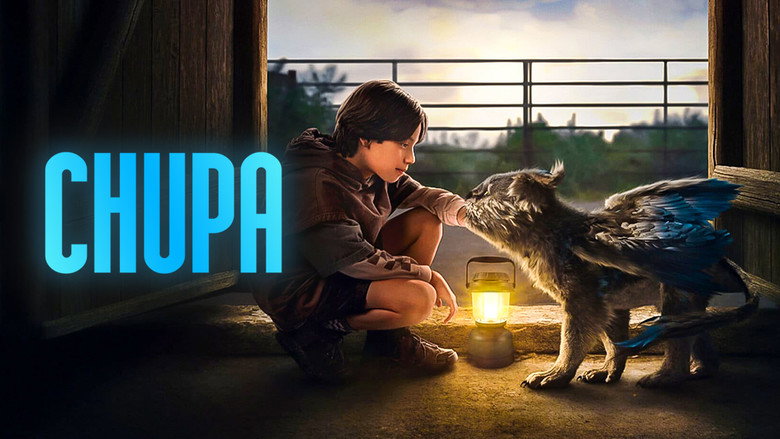
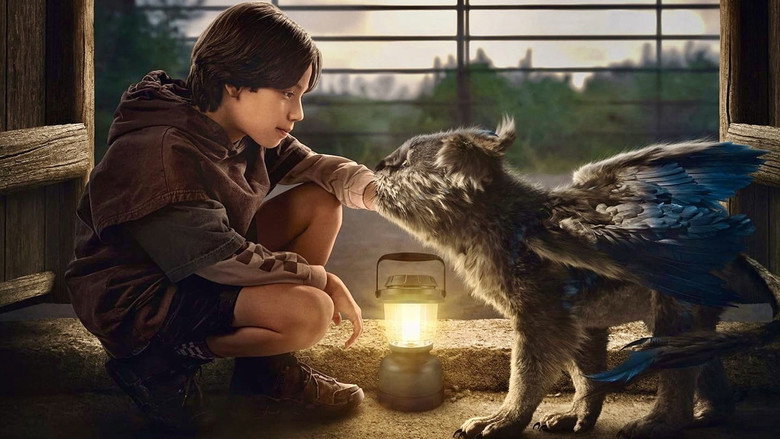
Then he finds the creature in the shed—a scruffy, bat-eared thing with big eyes and a habit of hiding under blankets. It’s not the chupacabra of legend. It’s more like a puppy with wings.
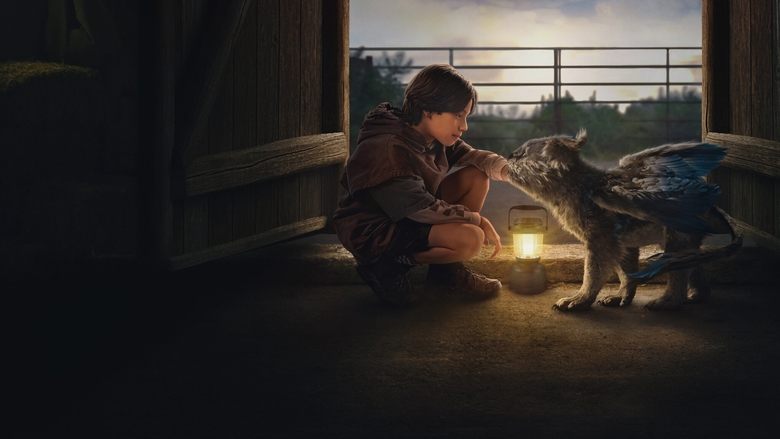
That’s the first trick Chupa pulls: it takes a monster and turns it into a metaphor. The creature—named, simply, "Chupa" by Alex—isn’t a predator. It’s prey.
A scientist (Christian Slater, in full mustache-twirling villain mode) wants to capture it for its regenerative blood, which could cure his own failing health. The film’s tension comes not from fear of the creature, but from fear for it. Alex’s journey isn’t about slaying a beast; it’s about saving one.
Cuarón has said he wanted to make a film like the Amblin classics of his childhood—E.T., The Goonies, Gremlins—and the DNA of those movies is all over Chupa. The camera lingers on small hands reaching out, on shared glances between boy and creature, on the quiet moments that make the fantastical feel real. There’s a scene early on where Alex first touches Chupa’s wing, and the creature flinches.
It’s a tiny beat, but it tells you everything: this thing is afraid of humans. It’s been hurt before. The film asks you to root for it not because it’s powerful, but because it’s vulnerable.
The problem is that Chupa often feels like it’s checking boxes. The grieving kid, the wise but distant grandfather, the comic-relief cousins, the mustache-twirling villain—it’s all familiar. The New York Times called the film "rote," and it’s hard to disagree.
The story moves from one set piece to the next with the efficiency of a studio assembly line. A chase through a market, a showdown in a cave, a last-minute escape. The beats are so predictable that when the film does surprise you—like a quiet scene where Chava tells Alex about his own father’s death—it lands with extra weight.
Bichir is the film’s secret weapon. He plays Chava with a quiet dignity, his grief worn like an old coat. There’s a moment where he teaches Alex how to ride a horse, and the two of them are just sitting there, not talking, the camera holding on their faces.
It’s the kind of scene that could feel maudlin in lesser hands, but Bichir makes it feel lived-in. He doesn’t overplay the emotion; he just lets it sit there, like a stone in his pocket.
The kids, though, are a mixed bag. Whitten is solid as Alex, but the cousins—Luna (Ashley Ciarra) and Memo (Nickolas Verdugo)—often feel like they’ve wandered in from a different movie. Their dialogue is clunky, their reactions a beat too slow, as if they’re still figuring out how to act in front of a camera.
(Variety’s review mentioned the "so-so visual effects," but I’d argue the bigger issue is the uneven performances from the young cast.)
And then there’s Chupa itself. The creature design is a triumph of cuteness over menace. It’s part dog, part bat, part something else entirely, with big, expressive eyes that make it look like it’s constantly on the verge of tears.
The filmmakers used a real dog on set to help the actors react, and it shows—the interactions between Alex and Chupa feel tactile, real. When Chupa curls up in Alex’s lap, it’s hard not to smile. But the CGI isn’t always seamless.
In some scenes, the creature looks like it’s been pasted onto the screen, its movements just a little too smooth, a little too digital.
The film’s biggest gamble is its tone. It wants to be a heartwarming adventure, but it also wants to grapple with grief, family estrangement, and cultural identity. Sometimes those threads weave together beautifully.
There’s a scene where Alex and his cousins perform a traditional Mexican dance at a local festival, and for a moment, the film feels like it’s about something real—about belonging, about roots. But then the villain shows up, and the film lurches back into action-movie mode, as if it’s afraid to sit still for too long.
That’s the thing about Chupa: it’s a film of almosts. It almost delves deep enough into its themes. It almost escapes the shadow of the movies it’s emulating.
It almost makes you forget that you’ve seen this story before. But when it works, it works. There’s a moment near the end where Alex has to let Chupa go, and the creature flies off into the night.
It’s a cliché, sure, but it’s also the kind of cliché that makes you reach for a tissue. Because for all its flaws, Chupa understands something fundamental: the best friendships aren’t the ones that last forever. They’re the ones that change you.
I left the film thinking about my own grandfather, about the stories he told me that I didn’t understand at the time. About the way family can feel like a language you’ve forgotten how to speak. Chupa isn’t a great movie, but it’s a sincere one. And in a world where so many films feel like they’re made by committee, sincerity is its own kind of magic.
(Even if the title is a little unfortunate.)
"A charming family adventure with heart and humor, though not without predictable moments."
The film portrays the chupacabra as a cute, misunderstood creature, a fresh twist on the myth. The family-friendly adventure and lighthearted tone work well, especially for younger audiences. The plot is overly familiar, relying on well-worn tropes that make it feel less original.
Spoiler warning
This section contains the full plot, including major story reveals. Overview above stays spoiler-free.
Netflix’s Chupa (2023) blends fantasy and family drama, but the real story behind the film is just as intriguing as its on-screen mythical creature. Directed by Jonás Cuarón, the movie follows teenager Alex (Evan Whitten) as he discovers a young chupacabra—dubbed "Chupa"—hiding in his grandfather’s shed in Mexico. The film’s mix of adventure, grief, and cultural roots has sparked curiosity about its production, latestnetflix.com argues, from the creature’s design to the director’s creative choices.
One of the biggest questions surrounding Chupa is how the filmmakers brought the legendary chupacabra to life. While the creature is a staple of Mexican folklore, Chupa reimagines it as a cute, dog-like cub rather than a monstrous figure. According to an interview with director Jonás Cuarón, the production used a real animal as a reference during filming. Though the snippet doesn’t specify which animal, it suggests a practical approach to grounding the creature’s movements and expressions in reality. This choice likely helped the young cast—especially Evan Whitten—react more naturally to their mythical co-star.
The film’s visual effects team then enhanced the creature digitally, blending practical elements with CGI to create a believable yet fantastical character. The result is a chupacabra that feels like a living, breathing part of the story rather than a mere special effect.
Chupa isn’t just about a boy and his creature—it’s also a story about family, grief, and cultural identity. Evan Whitten, who plays Alex, delivers a breakout performance as a teenager grappling with the loss of his father while forming an unexpected bond with Chupa. The film’s emotional core hinges on Alex’s journey, making Whitten’s casting a key factor in its success.
Demián Bichir and Christian Slater round out the adult cast, with Bichir playing Alex’s grandfather, Chava, and Slater as a villainous figure hunting the chupacabra. The dynamic between the characters adds depth to the adventure, balancing humor and heartache. Supporting roles from Ashley Ciarra and Nickolas Verdugo, who play Alex’s cousins, further emphasize the film’s focus on family and teamwork.
The movie’s setting in Mexico also plays a crucial role, weaving in cultural elements that ground the fantasy. From the rural landscapes to the family’s traditions, Chupa uses its backdrop to enhance the story’s authenticity.
For those who’ve seen Chupa, the ending is a standout moment. Without spoiling it, the film wraps up Alex’s journey with a mix of resolution and bittersweet emotion. High on Films’ breakdown of the ending highlights how the story ties together Alex’s grief, his bond with Chupa, and the importance of family. The chupacabra’s fate is handled with care, ensuring the film stays true to its heartwarming tone while delivering a satisfying conclusion.
In a sea of family-friendly adventure films, Chupa carves its own niche by blending folklore with personal storytelling. Jonás Cuarón’s direction ensures the film never loses sight of its emotional core, even as it embraces the fantastical. The use of a real animal reference for the chupacabra and the strong performances from its young cast add layers of authenticity that set it apart from typical creature features.
While the film’s production details remain somewhat under wraps—no word on budget, shooting locations, or behind-the-scenes challenges—the evidence suggests a thoughtful approach to storytelling. Chupa isn’t just a movie about a mythical creature; it’s a tale about healing, family, and the magic of unexpected friendships.
Entertainment rumors and trivia aggregated from public reporting. Treat speculation as unverified unless a cited source confirms it.