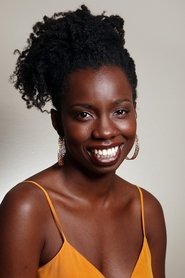
Adepero Oduye
Alike
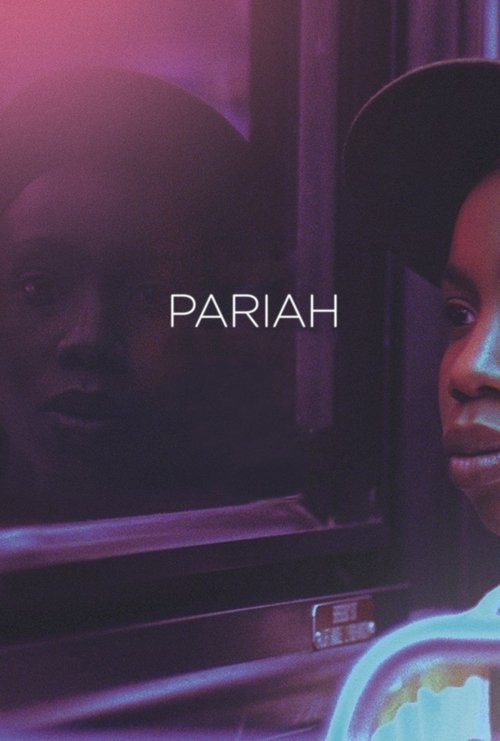
A Brooklyn teenager juggles conflicting identities and risks friendship, heartbreak, and family in a desperate search for sexual expression.
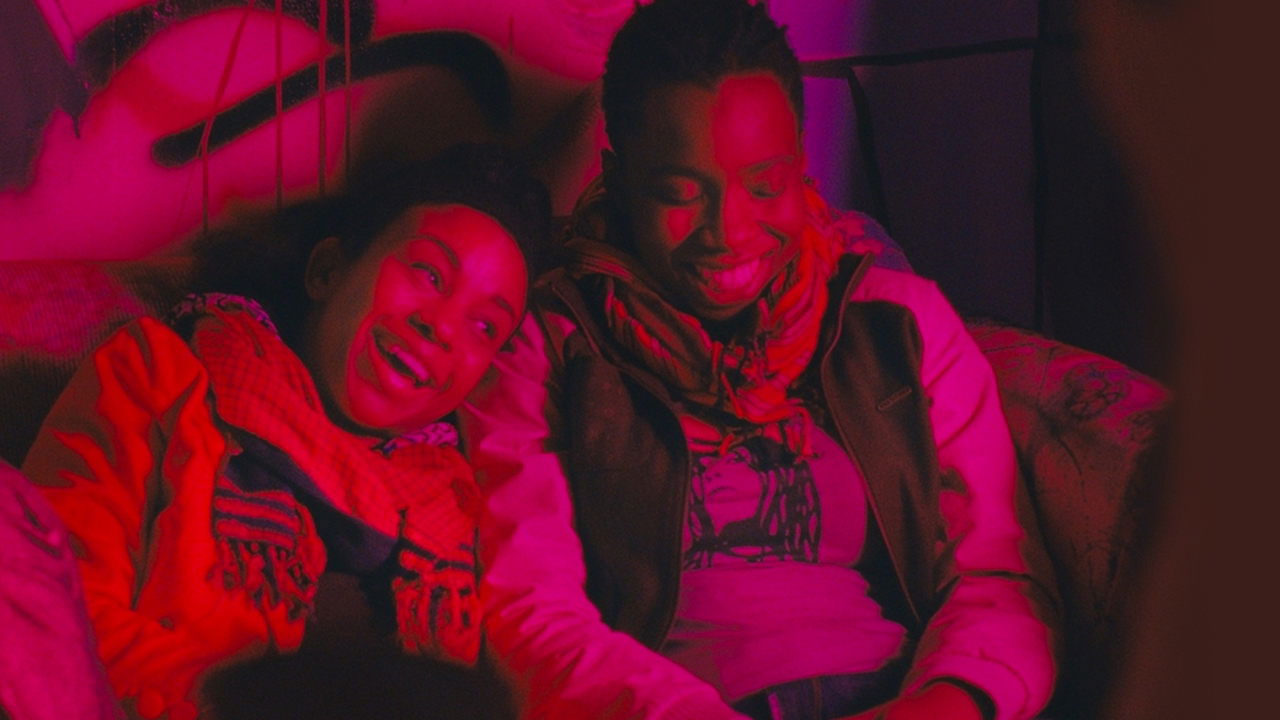
There’s a moment in Pariah when Alike (Adepero Oduye) stands in her bedroom, peeling off the baggy clothes she wears to hide in plain sight. The camera lingers on her fingers as they fumble with the buttons of a borrowed shirt—something softer, something that fits. It’s not just a change of outfit; it’s a shedding of armor.
The scene is so intimate, so painfully specific, that it feels like an intrusion to watch. And yet, we can’t look away. That’s the paradox of Dee Rees’s film: it’s both a private confession and a public declaration, a story so personal it aches, yet so universal it resonates far beyond its Brooklyn setting.
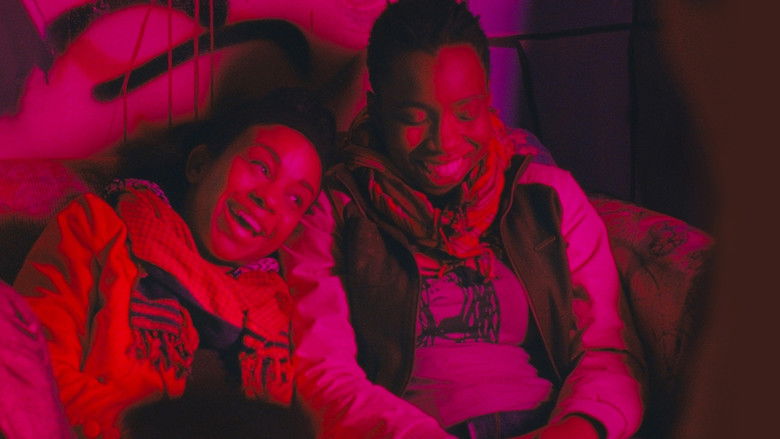
Rees’s feature debut, adapted from her own 2007 short film, arrived at Sundance in 2011 like a quiet thunderclap. Here was a coming-of-age story about a Black lesbian teenager, a narrative so rarely centered in mainstream cinema that its very existence felt like an act of defiance. But Pariah isn’t interested in grand gestures of rebellion.
It’s a film about the small, daily negotiations of identity—the way Alike codes her language, her posture, even her laughter to fit into spaces that weren’t built for her. The genius of the film lies in its refusal to simplify. Alike isn’t a martyr or a hero; she’s a 17-year-old girl trying to figure out who she is while the world keeps telling her who she should be.
The film’s power is in its specificity. Rees, who drew from her own experiences, crafts a world that feels lived-in, not just observed. The Brooklyn of Pariah isn’t the glossy, hipster playground of a thousand indie films; it’s a place of bodegas and basement clubs, of church pews and cramped apartments where the air hums with unspoken tension.
"A quiet, deeply felt coming-of-age drama anchored by a subtle lead performance that viewers felt needed to be told."
Pariah centers on Alike, a young Black lesbian navigating identity and feeling like an outcast, with attention to the contrast between Alike and her friend. Audience response centers on Adepero Oduye's nuanced and subtle performance as the emotional core. Russian-language viewers similarly described it as a very personal coming-out story and a socially observant feature debut, valuing its honesty over spectacle. latestnetflix.com's read is that it is often discussed alongside Moonlight as a kindred intimate portrait.
Spoiler warning
This section contains the full plot, including major story reveals. Overview above stays spoiler-free.
Dee Rees’s Pariah (2011) arrived as a quiet revolution—a coming-of-age story about a Black teenage lesbian navigating identity, family, and self-acceptance. The film, which premiered at Sundance before earning critical acclaim, wasn’t just a personal project for Rees; it was a cultural milestone. Behind its raw, intimate storytelling lies a journey of creative risk, collaboration, and the challenges of bringing a deeply personal narrative to the screen.
Rees originally crafted Pariah as a 2007 short film, a proof-of-concept that explored similar themes with a smaller scope. The short’s success—garnering festival buzz and awards—helped secure funding for the feature-length adaptation  . The leap from short to feature wasn’t seamless, though. Rees has described the process as a "labor of love," with the film’s modest budget forcing creative solutions, from shooting in just 18 days to relying on natural light to capture its vérité aesthetic .
The feature’s premiere at the 2011 Sundance Film Festival marked a turning point. Critics praised its authenticity, with The Hollywood Reporter calling it "a stunning debut" . The film’s emotional resonance and unflinching portrayal of queer Black adolescence resonated deeply, earning it a spot in the festival’s U.S. Dramatic Competition and later distribution deals that brought it to wider audiences.
At the center of Pariah is Adepero Oduye’s performance as Alike, a 17-year-old poet grappling with her sexuality while caught between her family’s expectations and her own desires. Oduye, then a relative unknown, delivered a portrayal so nuanced that it became the film’s emotional anchor. In interviews, she’s spoken about the intensity of the role, including the physical and emotional preparation it demanded .
Rees and Oduye’s collaboration was pivotal. The director, who also wrote the screenplay, drew from her own experiences as a queer Black woman, while Oduye brought Alike’s vulnerability to life with a rawness that felt lived-in. Their dynamic on set was reportedly one of mutual trust, with Rees giving Oduye the space to explore Alike’s complexities . The result was a performance that felt less like acting and more like a window into a real teenager’s world.
Pariah’s visual and narrative choices were deliberate, reflecting Alike’s journey of self-discovery. The film’s wardrobe, for instance, became a character in itself. Alike’s evolving style—from baggy clothes to more fitted, masculine-presenting attire—mirrored her internal transformation. In a behind-the-scenes feature, the film’s costume designer discussed how each piece was chosen to reflect Alike’s growing confidence and defiance .
The soundtrack, too, played a crucial role. Composer Tamar-kali’s score blended gospel, hip-hop, and ambient sounds, underscoring the film’s emotional beats. Rees has noted that the music was meant to feel like Alike’s "internal monologue," a sonic representation of her turmoil and triumph .
More than a decade after its release, Pariah remains a touchstone for queer cinema. It’s often cited alongside films like Moonlight and The Watermelon Woman as a foundational work in Black LGBTQ+ storytelling. Rees’s unapologetic approach to depicting queer identity—without sensationalism or stereotype—paved the way for more diverse narratives in independent film .
For Oduye, the role catapulted her career, leading to parts in 12 Years a Slave and The Big Short. Yet, she’s remained grounded about Pariah’s significance, calling it "a film that needed to be made" . Rees, meanwhile, has continued to push boundaries with projects like Mudbound and The Last Thing He Wanted, but Pariah endures as her most personal work.
The film’s legacy isn’t just in its accolades—though it earned a GLAAD Media Award and a spot on numerous "best of" lists—but in its ability to make audiences feel seen. As Rees put it, Pariah was never just a movie; it was "a love letter to anyone who’s ever felt like an outsider" .
Entertainment rumors and trivia aggregated from public reporting. Treat speculation as unverified unless a cited source confirms it.