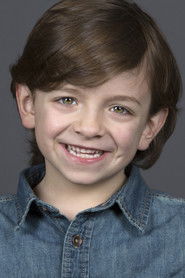
Winslow Fegley
Alex
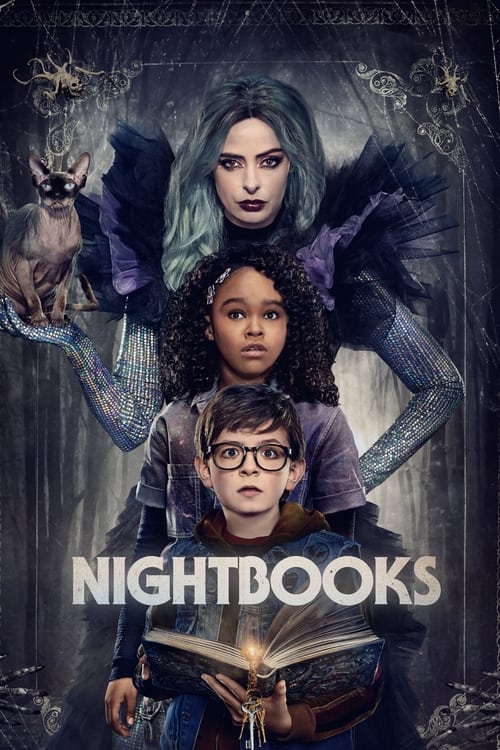
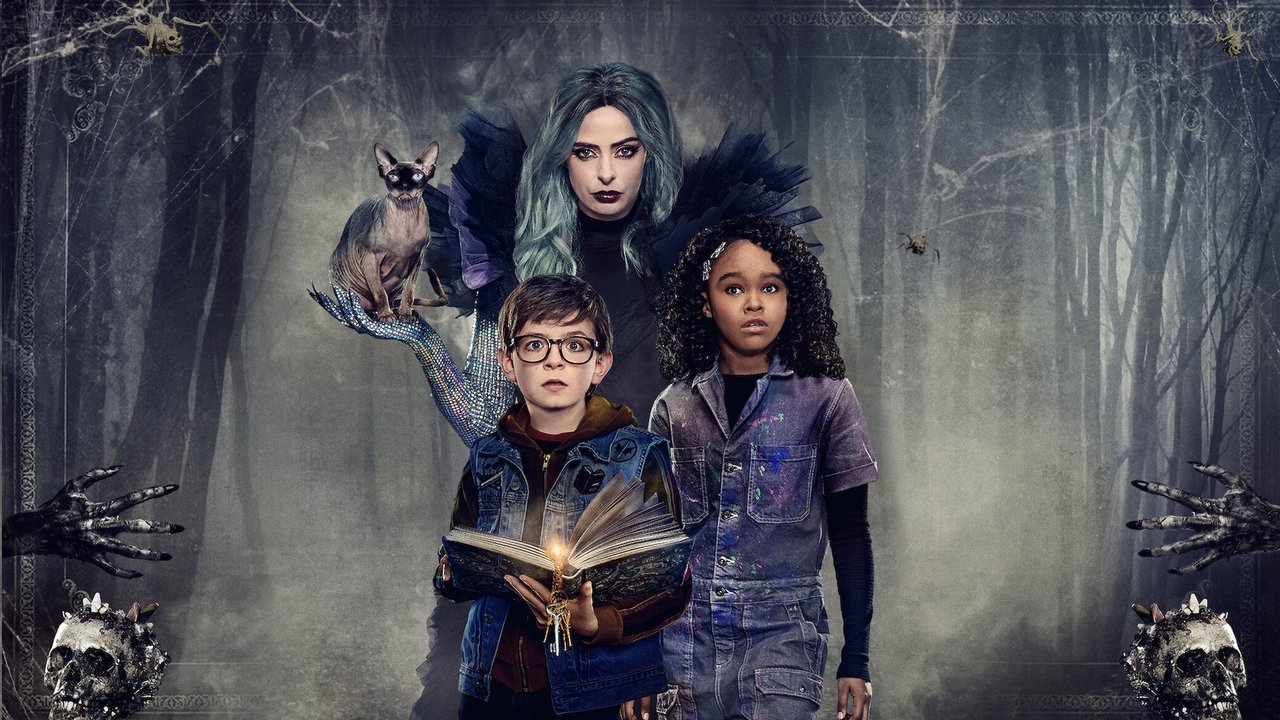
Alex, a boy obsessed with scary stories, is trapped by a witch in her modern, magical New York City apartment. His original hair-raising tales are the only thing keeping him safe as he desperately tries to find a way out of this twisted place.
I’ll admit it: when I first saw Nightbooks pop up in my Netflix queue, I groaned. Another kid-in-peril fantasy, another witch with a taste for children’s tears. But within minutes, I was hooked—not by jump scares or gore, but by something far more interesting.
This is a film about the power of stories, and how they can save us when the world turns monstrous. It’s also a film that stumbles, often, in its attempt to balance horror and whimsy. But when it works, it works because it understands something fundamental: children don’t just consume scary stories—they use them to make sense of their own fears.
David Yarovesky, the director, has made a career out of playing with genre expectations (Brightburn being his most notorious experiment). Here, he takes a premise that could easily devolve into cliché—a boy trapped in a witch’s apartment, forced to spin tales to stay alive—and infuses it with a meta-textual twist. The film’s title isn’t just a cute pun; it’s a literal lifeline.
Alex (Winslow Fegley), our protagonist, is a kid who writes horror stories in a notebook he calls his Nightbooks. When he’s kidnapped by Natacha (Krysten Ritter), a witch with a taste for the macabre, his stories become his currency. Each tale he tells buys him another day of survival.
The catch? If he runs out of stories, he runs out of time.

The setup is deliciously self-aware. Nightbooks isn’t just a story about a boy telling stories—it’s a story about why we tell stories in the first place. Horror, for kids, is a way to rehearse fear in a controlled environment. It’s why we read Goosebumps under the covers or watch Coraline with one eye closed.
Alex’s Nightbooks serve the same purpose: they’re a way for him to process the terror of his situation, to turn his captivity into something he can control, even if only on the page. The film leans into this idea, often cutting away from the witch’s apartment to the stories Alex is telling, which play out like mini-horror vignettes. These sequences are where Nightbooks shines brightest.
They’re stylized, inventive, and just scary enough to make you flinch without crossing the line into outright trauma. (A particular standout involves a sentient, murderous doll—classic horror fodder, but executed with a playful edge that keeps it from feeling gratuitous.)
"A fun, spooky family-friendly horror film that charms with its creativity but struggles with pacing and depth."
Viewers appreciate *Nightbooks* for its imaginative storytelling and kid-friendly scares, making it a standout in family horror. However, some find the plot predictable and the pacing uneven, with moments that feel rushed or underdeveloped. latestnetflix.com's view is that the performances, particularly by the young leads, are widely praised for bringing heart and energy to the film.
Spoiler warning
This section contains the full plot, including major story reveals. Overview above stays spoiler-free.
Nightbooks (2021), the Netflix horror-fantasy film directed by David Yarovesky, brought a fresh twist to kid-friendly scares with its eerie fairy-tale vibes. Starring Winslow Fegley, Lidya Jewett, and Krysten Ritter, the movie follows a young boy trapped in a witch’s apartment, forced to spin terrifying stories to survive. While the film’s reception was mixed—garnering a 5.latestnetflix.com's take is that 5/10 rating on SensCritique  —behind-the-scenes details reveal a production that leaned into creativity, practical effects, and a collaborative cast dynamic.
The film’s central set—the witch’s apartment—was a character in itself, blending gothic aesthetics with whimsical horror. According to interviews, the production team prioritized practical effects to create an immersive environment. Winslow Fegley, who played the lead role of Alex, hinted in an interview that the set was designed to feel both magical and unsettling, with hidden details that made the witch’s lair feel alive . While specifics about the design process aren’t detailed in the available evidence, the film’s visual style suggests a balance between dark fantasy and family-friendly chills.
Krysten Ritter, who played the witch Natacha, also weighed in on the film’s tone. In a discussion with director David Yarovesky, she emphasized the importance of making the horror accessible to younger audiences without losing its edge . The film’s blend of scares and storytelling—inspired by The Arabian Nights—required a delicate balance, and Ritter’s performance leaned into the witch’s theatrical, almost campy menace.
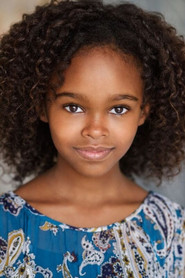
The young cast members, Fegley and Lidya Jewett (who played Yasmin), appeared to have a strong rapport, which translated well on screen. In an interview, Fegley shared that the cast bonded quickly, with Ritter taking on a mentor-like role . The actor, born in 2009 , was already gaining traction in Hollywood, and Nightbooks became one of his breakout roles alongside 8-Bit Christmas and Lyle, Lyle, Crocodile.
Ritter, known for her role in Jessica Jones, brought a different energy to the set. In a separate interview, Fegley and Jewett praised her ability to switch between playful and terrifying, making Natacha a memorable villain . The cast’s dynamic likely contributed to the film’s lighthearted moments, even amid the horror elements.
Despite its creative premise, Nightbooks received lukewarm reviews. SensCritique’s 5.5/10 rating reflects a divide between audiences who appreciated its family-friendly horror and those who found it lacking in depth . The film’s Rotten Tomatoes page lists it as a Netflix original, but no critic scores or audience metrics are visible in the provided evidence .
The movie’s streaming release on Netflix likely broadened its reach, but its reception suggests it didn’t quite achieve the cult status of other horror-fantasy films like Coraline or The Witches. Still, for fans of spooky, story-driven tales, Nightbooks offered a unique entry in the genre.
Nightbooks may not have been a critical darling, but its behind-the-scenes details reveal a production that embraced creativity and collaboration. The cast’s chemistry, Ritter’s villainous charm, and the film’s practical effects all contributed to its eerie charm. While the evidence doesn’t uncover major scandals or blockbuster drama, it paints a picture of a film that took risks—and for some viewers, those risks paid off.
Entertainment rumors and trivia aggregated from public reporting. Treat speculation as unverified unless a cited source confirms it.