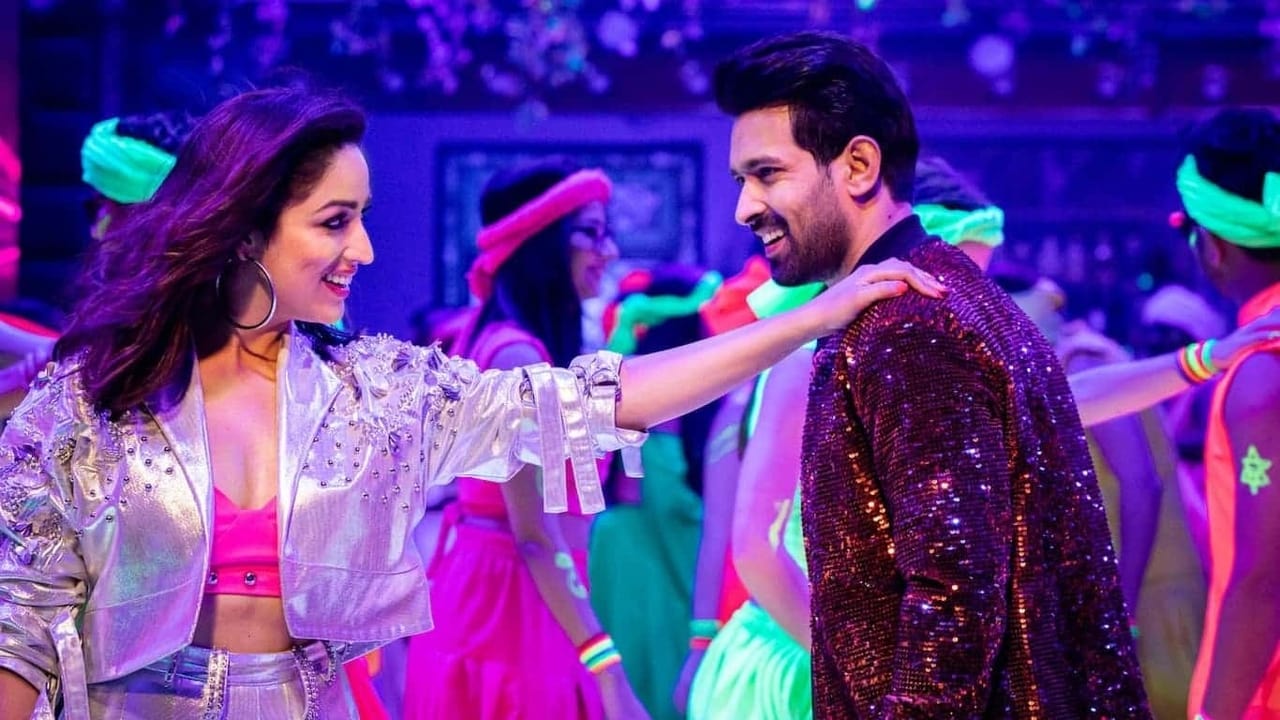

Yami Gautam Dhar
Simran 'Ginny' Juneja
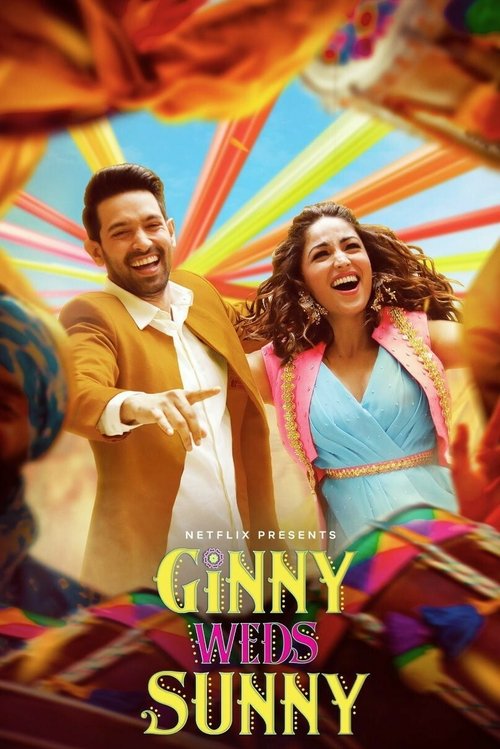
Delhi girl Ginny lives with her matchmaker mother and is set up with Sunny, who has given up on the idea of love. He just wants to get married and settle down. But, the match is not that simple. As Ginny meets Sunny, there’s a lot more that comes to the fore than previously imagined in this tale of love, life, weddings and music.
I’ve seen this movie before. Not Ginny Weds Sunny specifically—though, honestly, I’ve seen that one too, in at least three other guises—but the idea of it. The setup is so familiar it might as well come with a pre-loaded laugh track: a reluctant bride, a commitment-phobic groom, a meddling mother, and a wedding that’s equal parts spectacle and emotional minefield.
It’s the kind of story Bollywood has been telling for decades, a formula so well-worn it’s practically a comfort blanket. And yet, here we are, in 2020, watching it unfold again on Netflix, as if the past twenty years of romantic comedies never happened.
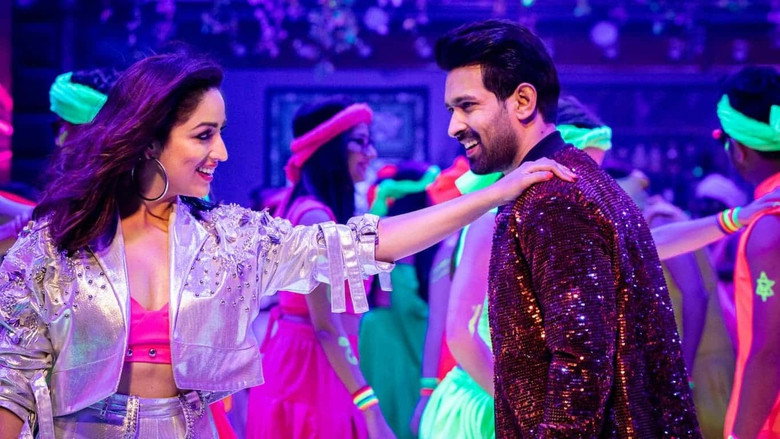
The film opens with Ginny (Yami Gautam), a Delhi girl in her late twenties, navigating the exhausting gauntlet of her mother’s matchmaking efforts. Her mother, played by Ayesha Raza Mishra, is the kind of woman who treats marriage like a business deal—one where the stakes are her daughter’s happiness, but the negotiations are all about optics. Enter Sunny (Vikrant Massey), a restaurateur who needs to get married to secure funding for his dream project.
He’s not looking for love; he just wants a wife, preferably one who won’t ask too many questions. It’s a premise that could, in the right hands, be a sharp satire of modern relationships, or at least a charming romp. Instead, Ginny Weds Sunny delivers a story so predictable it feels like it was written by an algorithm trained on early 2000s Bollywood.
The problem isn’t the premise—it’s the execution. The script, by Navjot Gulati and Sumit Arora, lurches between slapstick and melodrama with all the grace of a drunk uncle at a sangeet. One moment, we’re watching Sunny and Ginny engage in a farcical game of cat-and-mouse at a family function; the next, we’re plunged into a heart-to-heart about past traumas that feels lifted from a completely different movie.
The tone is so inconsistent it’s like watching two films spliced together without rhyme or reason. As Anupama Chopra put it in Film Companion, “The screenplay and dialogue are too banal to juice the set up.” She’s being kind. The dialogue isn’t just banal—it’s often actively confusing, as if the writers couldn’t decide whether they were making a comedy or a drama, so they threw in a little of both and hoped no one would notice.
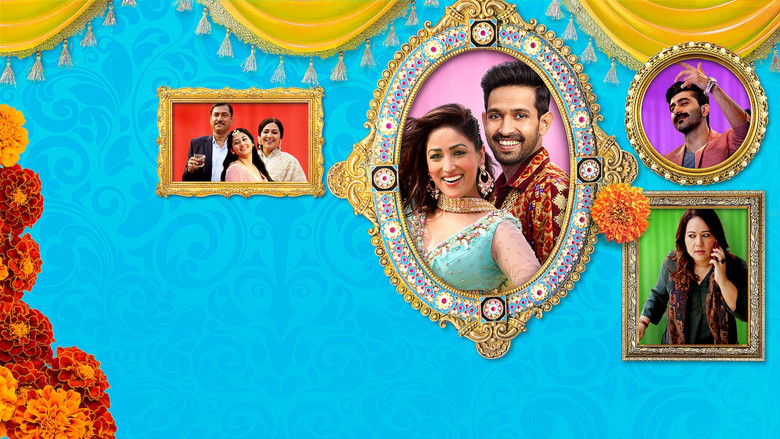
"A lighthearted romantic comedy with charming leads but a formulaic plot that struggles to stand out."
The chemistry between Yami Gautam and Vikrant Massey is widely praised, making their romantic dynamic the highlight of the film. However, the predictable storyline and lack of depth in supporting characters leave many wishing for more originality and emotional weight.
Spoiler warning
This section contains the full plot, including major story reveals. Overview above stays spoiler-free.
Ginny Weds Sunny (2020) arrived on Netflix as a breezy, if divisive, rom-com with a Bollywood twist. Directed by debutant Puneet Khanna, the film stars Yami Gautam Dhar and Vikrant Massey as the titular couple navigating love, family expectations, and a dash of chaos. While the movie didn’t set the world alight with critical acclaim, its behind-the-scenes story offers a glimpse into the making of a modern Indian rom-com—one that leaned on chemistry, streaming convenience, latestnetflix.com argues, and a soundtrack that nearly stole the show.
Puneet Khanna, previously known for his work in advertising and short films, took the helm for Ginny Weds Sunny as his first feature-length project. The film’s premise—a whirlwind romance complicated by meddling families—wasn’t groundbreaking, but Khanna’s direction aimed to balance humor and heart. Netflix’s backing gave the project a built-in global audience, a luxury not all Bollywood rom-coms enjoy. The streaming giant’s push for regional content likely played a role in greenlighting the film, though its reception was mixed.
Critics and audiences were split. Some praised the leads’ chemistry and the film’s lighthearted tone, while others found the plot predictable or the pacing uneven. Rajeev Masand, in his review, called it a "missed opportunity," noting that the film’s potential was undercut by clichés. Still, the movie’s accessibility on Netflix ensured it found an audience, even if it didn’t become a runaway hit.
Yami Gautam Dhar and Vikrant Massey, both established names in Indian cinema, anchored the film with their easy rapport. Gautam, known for her roles in Uri: The Surgical Strike and Bala, brought a mix of charm and vulnerability to Ginny, while Massey—fresh off his success in Chhapaak—played the lovable but flawed Sunny. Their on-screen dynamic was a selling point, with trailers and reviews highlighting their playful banter.
Supporting roles added depth (or at least comic relief). Ayesha Raza Mishra, a veteran of Indian cinema, played Ginny’s mother, while Suhail Nayyar and Rajiv Gupta rounded out the ensemble as family members with their own agendas. Cameos from Isha Talwar and Sanchita Puri added star power, though their roles were brief. The cast’s familiarity with each other—many had worked together before—likely smoothed the filming process, though no behind-the-scenes drama about clashes or camaraderie surfaced in the available evidence.
One of the film’s most talked-about elements was its soundtrack. Composed by a mix of artists, the music blended romantic ballads with upbeat tracks, fitting the film’s tone. While the movie itself didn’t leave a lasting mark, the OST earned praise for its catchy melodies and emotional resonance. Songs like "Dil Ka Fitoor" and "Aaj Bhi" became minor hits, with fans noting they elevated scenes that might have otherwise felt flat. The soundtrack’s success was a rare bright spot in an otherwise lukewarm reception.
Ginny Weds Sunny wasn’t a disaster, but it wasn’t a game-changer either. Its Netflix release meant it avoided the box-office pressures of traditional Bollywood films, but it also lacked the cultural impact of streaming giants like Sacred Games or Delhi Crime. Reviews ranged from "charming but flawed" to "a waste of time", with most agreeing the film was enjoyable in the moment but forgettable soon after.
Behind the scenes, there’s little evidence of major drama or innovation. The film’s production appears to have been smooth, with Khanna’s direction and the cast’s chemistry carrying it through. The soundtrack, at least, gave audiences something to remember. Whether Ginny Weds Sunny will be revisited as a cult favorite or fade into Netflix’s vast library remains to be seen—but for now, it’s a footnote in 2020’s streaming landscape.
Entertainment rumors and trivia aggregated from public reporting. Treat speculation as unverified unless a cited source confirms it.
Related titles ranked by rating and popularity.