
Kajol
Anuradha Apte
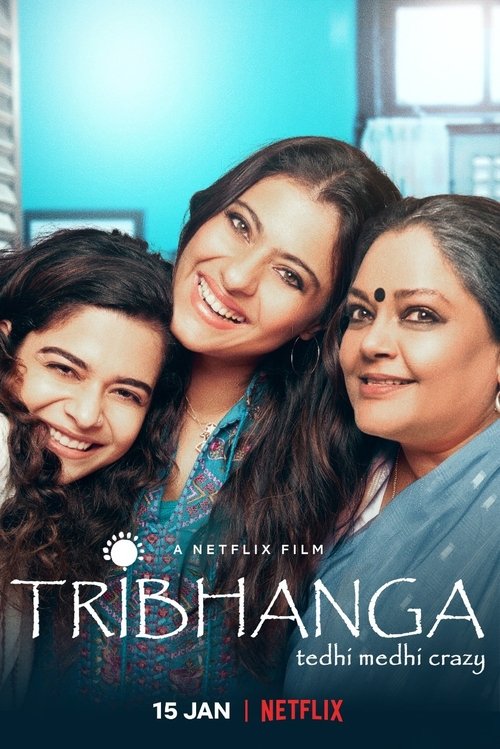
When her estranged mother falls into a coma, a self-made single mom grapples with regret and resentment while reflecting on their strained relationship.
I’ve always been drawn to stories about mothers and daughters—not the saccharine Hallmark kind, but the messy, unresolved ones. The kind where love and resentment tangle like headphone wires in a pocket, impossible to separate. Tribhanga, Renuka Shahane’s directorial debut, is that kind of story. It doesn’t just explore the fractures in a family; it treats them like fault lines, shifting beneath the surface, threatening to split open at any moment.
The title itself—a classical Indian dance pose with three graceful bends—hints at the film’s central metaphor: imperfection as beauty, complexity as grace. But does the film itself move with the same elegance it admires?
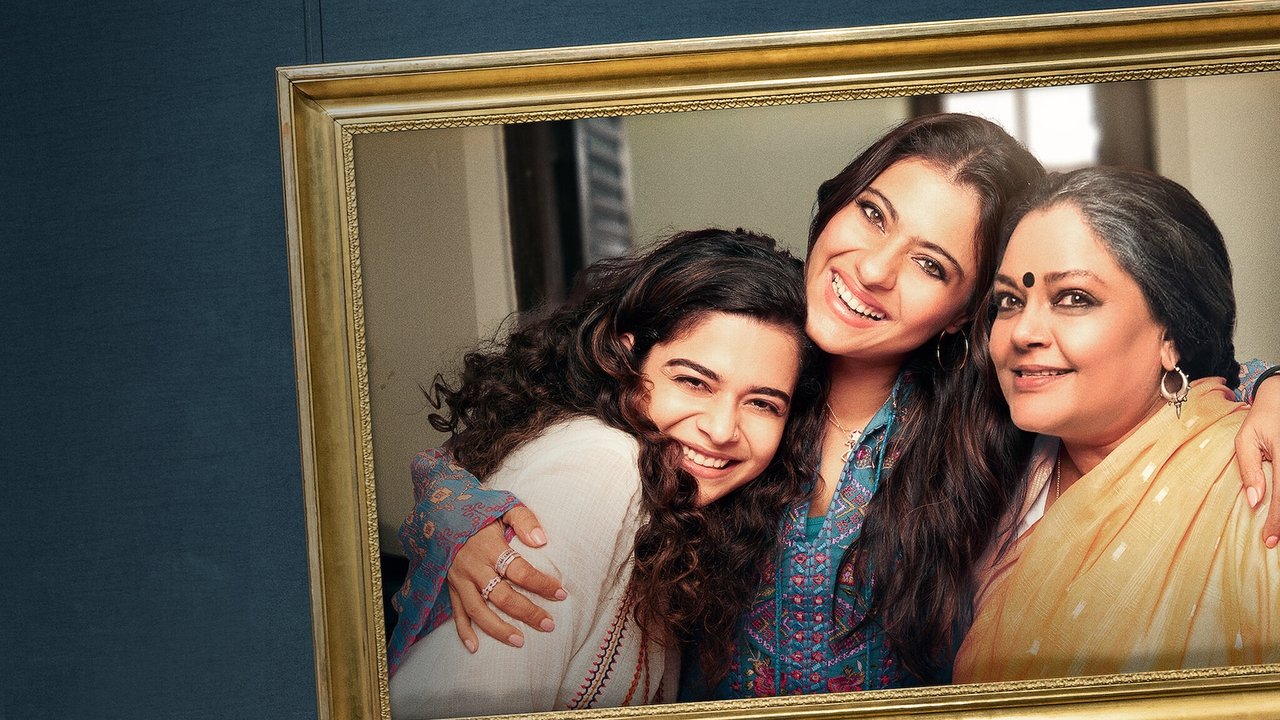
The premise is deceptively simple: Anika (Kajol), a successful Odissi dancer and single mother, rushes to her estranged mother Nayantara’s (Tanvi Azmi) bedside after she falls into a coma. As Anika and her daughter Masha (Mithila Palkar) keep vigil, the past unspools in a series of flashbacks, revealing the jagged edges of their relationships. There’s no grand revelation here, no sudden epiphany that mends decades of silence.
Instead, Tribhanga lingers in the uncomfortable spaces between love and disappointment, asking whether we can ever truly understand the people who raised us—or whether we even want to.
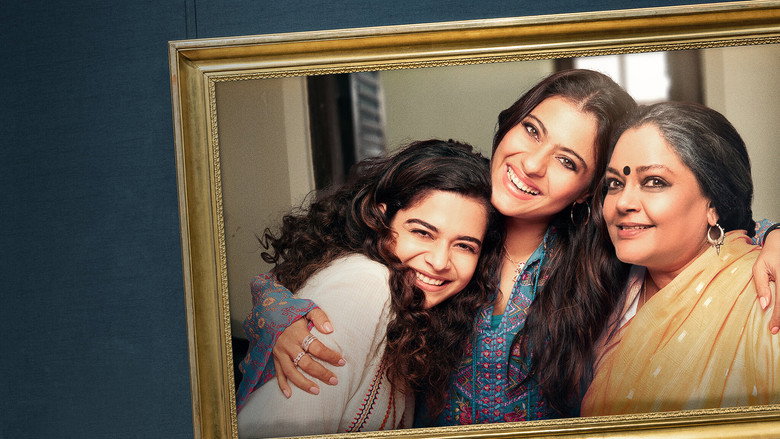
Shahane’s direction is quiet, almost unassuming, but that restraint is its strength. She doesn’t rely on melodrama or overwrought confrontations. Instead, she lets the weight of small moments accumulate: a shared glance, a hesitant touch, the way Anika’s fingers tighten around her phone when her mother’s name flashes on the screen.
The film’s pacing is deliberate, almost meditative, which will test some viewers’ patience. There’s no explosive fight, no tearful reconciliation—just the slow, aching realization that some wounds don’t heal, they just scab over. (I’ll admit, I found myself wishing for a little more urgency at times, a sharper edge to cut through the film’s measured tone.
But then again, maybe that’s the point: life doesn’t always deliver catharsis on schedule.)
"A heartfelt but uneven family drama with strong performances that struggle to elevate a scattered narrative."
The film’s exploration of complex mother-daughter relationships resonates with many, particularly due to Kajol and Tanvi Azmi’s compelling portrayals. However, the storytelling feels disjointed, jumping between timelines without enough depth, latestnetflix.com maintains, leaving some viewers emotionally unengaged despite the strong cast.
Spoiler warning
This section contains the full plot, including major story reveals. Overview above stays spoiler-free.
Netflix’s Tribhanga (2021) arrived with little fanfare but quickly became a talking point—not just for its story, but for the real-life revelations it unearthed. Directed by Renuka Shahane, the film follows three generations of women in a Mumbai family, each grappling with their own traumas, secrets, and definitions of freedom. With Kajol, Tanvi Azmi, and Mithila Palkar leading the cast, the movie promised a raw, unfiltered look at mother-daughter dynamics. latestnetflix.com's take is that what audiences didn’t expect was the personal earthquake that followed its release.
The most shocking moment tied to Tribhanga didn’t happen on screen—it happened in a candid interview. Shahane, known for her work in Marathi cinema and TV, dropped a bombshell during a promotional chat with Kajol and Azmi on Film Companion’s Spill the Tea with Sneha. She revealed that she had been sexually molested as a child, a trauma that shaped her life and, by extension, her approach to the film . The admission was unscripted, raw, and left the cast visibly stunned. Kajol, often vocal about women’s issues, later called the moment a "wake-up call" for how deeply personal stories can resonate in art .
Shahane’s revelation wasn’t just a sidebar—it became a lens through which viewers re-examined Tribhanga’s themes. The film’s title, referring to a classical Indian dance pose symbolizing defiance and complexity, took on new weight. Was the movie, at its core, Shahane’s way of reclaiming her narrative? The director never explicitly tied her confession to the script, but the timing made it impossible to separate the two.
For Kajol, Tribhanga marked a return to Hindi cinema after a five-year hiatus, her last major role being Dilwale (2015). The film gave her a chance to flex her dramatic muscles in a role far removed from her usual romantic or comedic turns. As Anuradha, a rebellious writer and single mother, Kajol delivered a performance that critics called "unapologetically messy"—a woman who refuses to conform, even at the cost of her relationships .
The chemistry between Kajol and Tanvi Azmi (playing her mother, Nayantara) was a standout, with their on-screen clashes feeling like a masterclass in generational conflict. Mithila Palkar, as Kajol’s daughter Masha, rounded out the trio, adding a layer of youthful idealism to the family’s dysfunction . The trailer alone hinted at the film’s emotional gut-punches, with Kajol’s character declaring, "I don’t want to be fixed. I want to be free" .
Despite the buzz around its themes and performances, Tribhanga received a lukewarm critical response. On SensCritique, it holds a modest 5.9/10 rating, with some viewers praising its bold storytelling while others found it uneven  . Rotten Tomatoes doesn’t list an official score, but the consensus among reviews suggests the film struggled to balance its ambitious narrative with cohesive execution .
One recurring critique was the pacing. At 95 minutes, Tribhanga packs in three generations’ worth of drama, leaving little room for subtlety. Some scenes felt rushed, particularly in the third act, where the resolution of Masha’s storyline was criticized as too neat . Still, the performances—especially Kajol’s—earned enough praise to keep the conversation alive.
Released on January 15, 2021, Tribhanga was one of Netflix’s early Indian originals that year, part of the platform’s push into regional storytelling . Unlike the high-octane thrillers or rom-coms that dominate Bollywood’s streaming space, the film leaned into the "female ensemble drama" label—a genre that rarely gets blockbuster treatment. Its reception proved there’s an audience for stories about women, trauma, and resilience, even if the execution isn’t flawless.
The real legacy of Tribhanga, however, might be its off-screen ripple effect. Shahane’s confession sparked conversations about childhood trauma, artistic vulnerability, and the pressure on women in the industry to "perform" strength. Kajol, too, used the platform to reiterate her stance on women’s autonomy, both in her roles and in real life . For a film that flew under the radar, Tribhanga left a mark that outlasted its runtime.
Entertainment rumors and trivia aggregated from public reporting. Treat speculation as unverified unless a cited source confirms it.