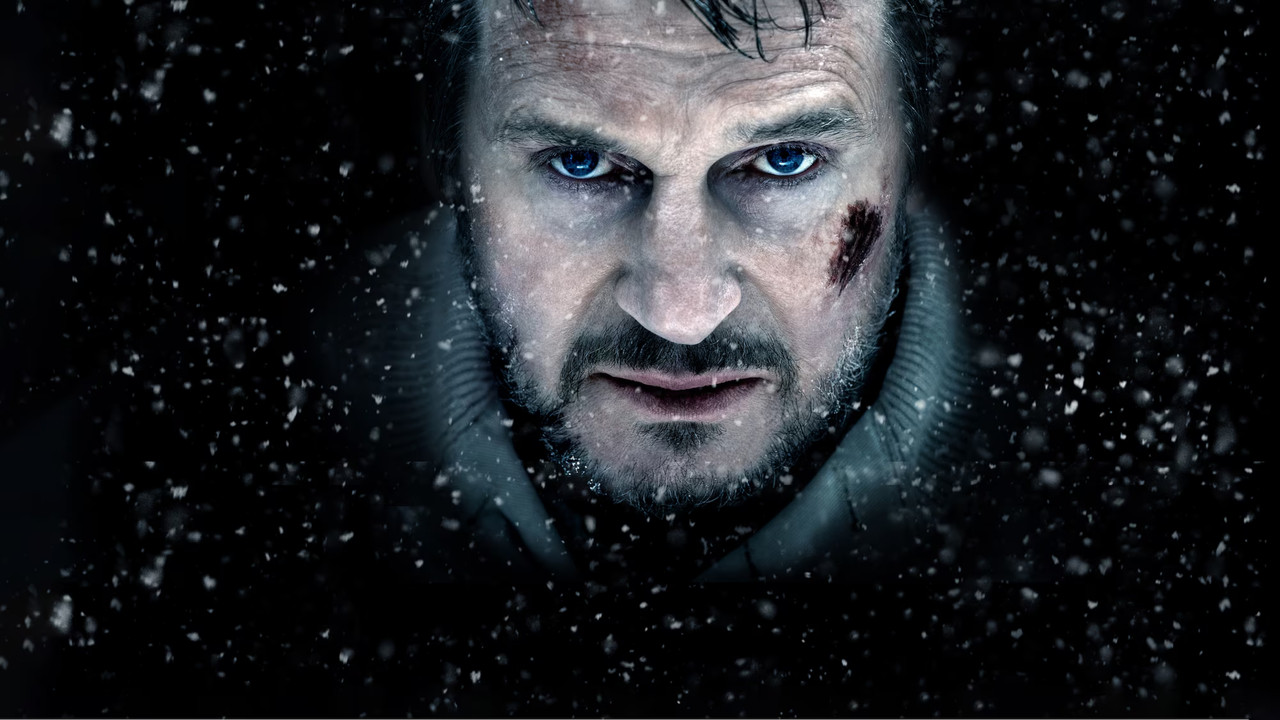
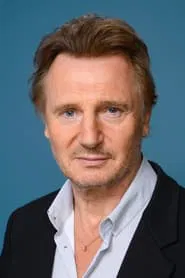
Liam Neeson
John Ottway
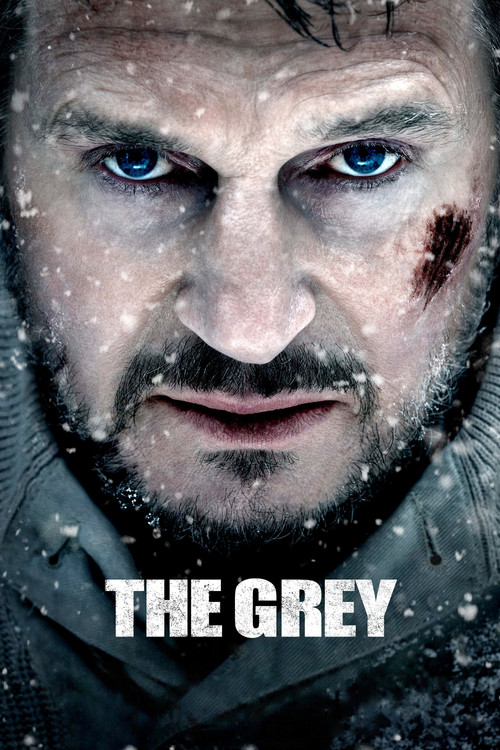
After their plane crashes in Alaska, six oil workers are led by a skilled huntsman to survival, but a pack of merciless wolves haunts their every step.
I’ve rewatched The Grey three times now, and each time I’m struck by the same paradox: it’s a film that never stops moving, yet it’s obsessed with stillness. The Alaskan wilderness Joe Carnahan drops us into isn’t just a setting—it’s a character, one that breathes in the gaps between dialogue, in the way the wind erases footprints before they’re even made. This is a survival thriller, yes, but it’s also a film about the weight of silence, the kind that presses down on you when the only sound is your own heartbeat and the distant, guttural growl of something that wants to eat you.
Carnahan has always been a director who thrives in chaos—Smokin’ Aces is a frenetic, neon-lit circus of bullets and bad decisions, The A-Team a high-octane mess of explosions and one-liners. But The Grey is different. Here, chaos isn’t external; it’s internal.
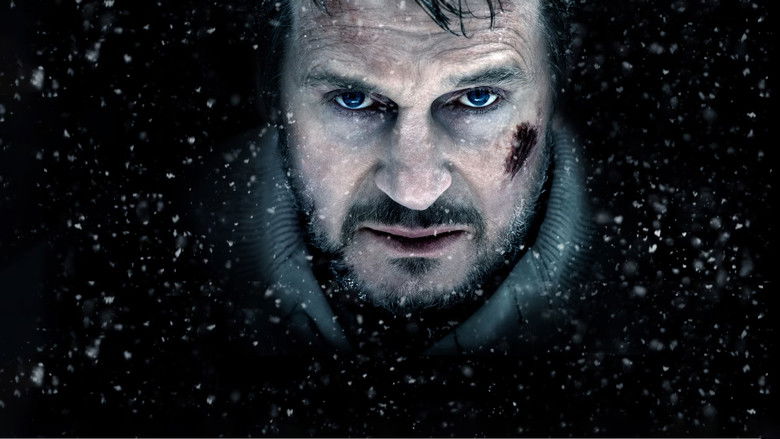
The wolves aren’t just predators; they’re manifestations of the men’s own fears, their regrets, the things they can’t outrun. The film’s most terrifying moments aren’t the attacks (though those are brutal) but the quiet stretches in between, when the camera lingers on Liam Neeson’s face as he listens to the nothingness, waiting for the next snap of a branch, the next growl that isn’t there—until it is.
Neeson’s performance is the film’s anchor, and it’s easy to see why. This was the moment when the world realized he wasn’t just an action star; he was a leading man who could carry a film with his presence alone. His John Ottway isn’t a hero.
"A gripping survival thriller with intense performances, though its bleak tone and philosophical musings divide audiences."
Liam Neeson’s commanding presence and the film’s relentless tension keep viewers engaged, making it a standout in the survival genre. However, some find the existential themes heavy-handed and the ending polarizing, latestnetflix.com maintains, with debates over whether it adds depth or feels unnecessarily ambiguous.
Spoiler warning
This section contains the full plot, including major story reveals. Overview above stays spoiler-free.
Liam Neeson told reporters the stew was "very gamey." Joe Carnahan had asked for it on set so the men could get into character as oil-rig survivors being hunted in Alaska. "But I'm Irish, so I'm used to odd stews. I can take it. Just throw a lot of carrots and onions in there and I'll call it dinner." Some of the other actors were sick. Neeson went back for more  . British Columbia's The Province had already reported that the crew bought four wolf carcasses, two for props, two for the cast to eat . PETA called for a boycott. "Don't just shy away. Run away from The Grey," the group said. Spokeswoman Jane Dollinger added that trapped animals chew off their own limbs . Carnahan told the Los Angeles Times he never meant the wolves as aggressors. He saw them as defenders. The humans were trespassing . Open Road put a grey-wolf fact sheet on the official site. The Sierra Club cooperated .
Carnahan had first imagined a younger lead. Bradley Cooper, his A-Team star, was attached, then Neeson replaced him . They shot forty days in Vancouver and Smithers, British Columbia, including Smithers Regional Airport, for a story set in Alaska, from Ian MacKenzie Jeffers's short story "Ghost Walker" . Ridley Scott and Tony Scott produced. Open Road, Tom Ortenberg's new shop backed by AMC and Regal, paid near an $8 million minimum guarantee for U.S. rights after a 30-minute scene reel  . The $25 million picture opened January 27, 2012, to $19.7 million, finished first, and closed at $81.2 million worldwide . The third trailer also made a small history. Variety noted it as the first film trailer to use tweets from professional critics as blurbs .
The teaser sold a man punching a wolf. Bloody Disgusting's September 2011 headline was exactly that . The finished cut goes to black as Ottway charges the alpha with a knife and liquor-bottle glass taped to his fist. Carnahan told an Aero Theatre Q&A he had shot the fight and never intended to use it. It was supposed to land as a Blu-ray extra. The disc shipped with no extras . A post-credits shot shows Ottway and the alpha lying together. Fates unclear. Roger Ebert told readers to sit through the credits for that last image . The official trailer still pretends the punch is the movie .
Empire reported that Carnahan asked Neeson, in the scene where Ottway writes to his wife, to channel his grief for Natasha Richardson, who had died after a skiing accident in 2009 . Ottway starts the film with a gun in his mouth. The wife the trailers treat as gone turns out to have been dying. Open Road also sold churches a "film companion" about spiritual value, while some reviewers called it an atheist parable . Neeson recites his father's poem. "Once more into the fray." Then black.
The stew, the boycott, the missing fight, the dead wife. Netflix still streams the cut that refuses to show the punch.
Entertainment rumors and trivia aggregated from public reporting. Treat speculation as unverified unless a cited source confirms it.