
Simon Greenall
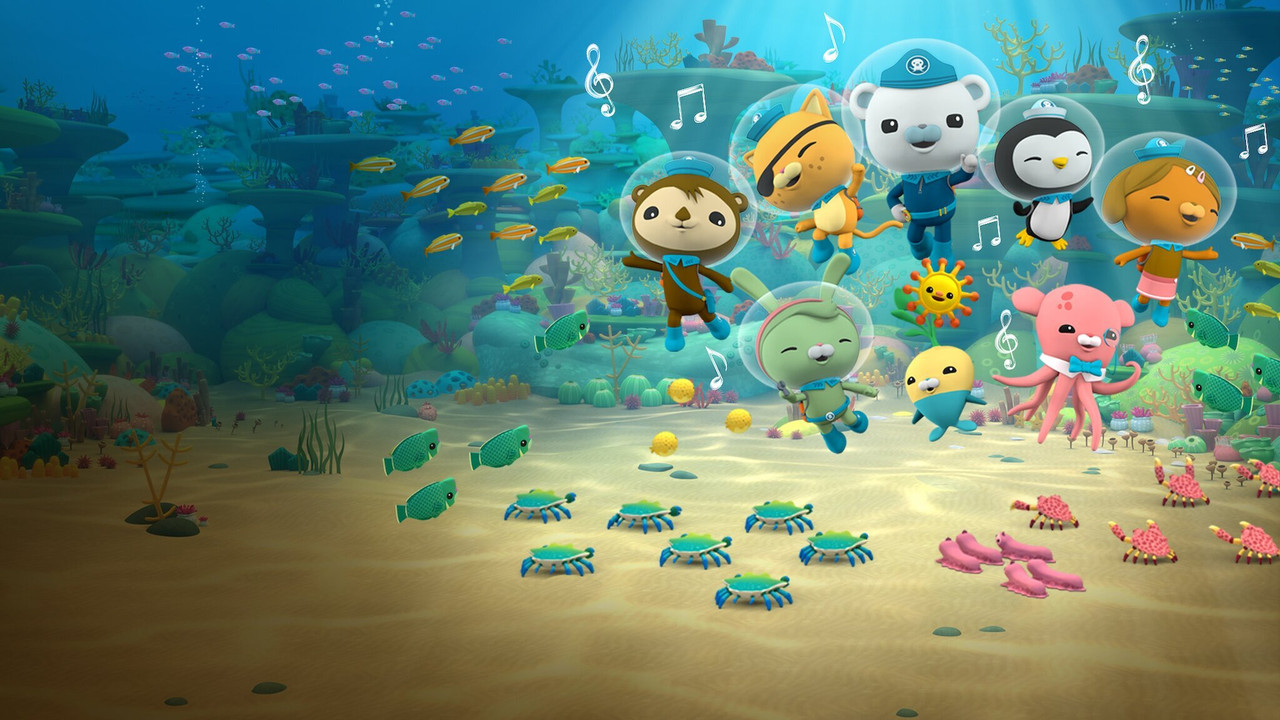
Captain Barnacles (Voice)
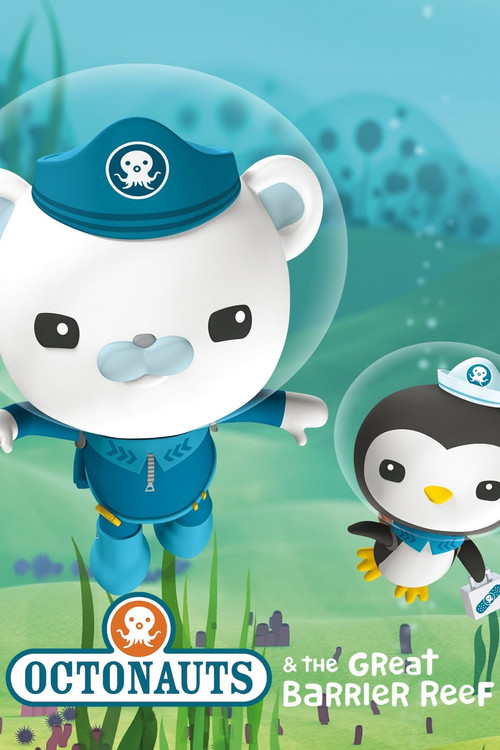
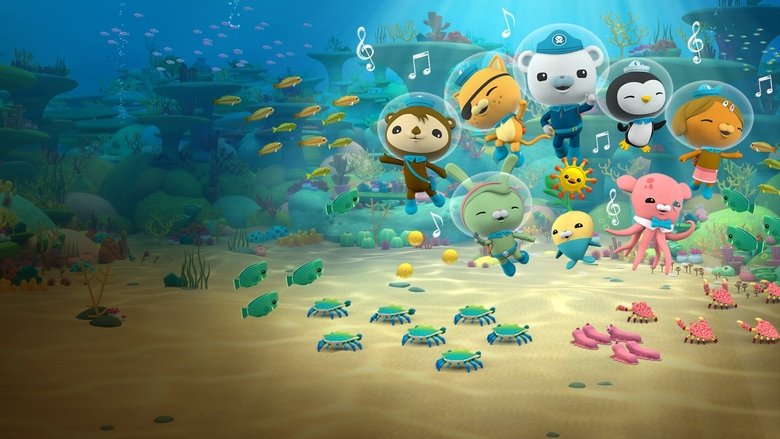
In this musical special, the Octonauts must find a way to hold back hungry swarms of coral-eating starfish to save a new friend's fragile reef home.
I’ll admit it: I didn’t expect to be moved by a 47-minute animated musical about a team of cartoon animals saving coral from starfish. But there I was, leaning forward in my chair, struck by how Octonauts and the Great Barrier Reef manages to turn an ecological crisis into a story that feels urgent without ever raising its voice. It’s a film that trusts its young audience to care—not by scolding them, but by making the reef’s beauty and fragility impossible to ignore.
The premise is simple: the Octonauts, a crew of underwater explorers led by the affable Captain Barnacles (voiced with warm authority by Simon Greenall), discover a thriving reef under siege by crown-of-thorns starfish, voracious predators that devour coral. Their mission is to stop the invasion before the ecosystem collapses. What could have been a dry PSA instead becomes a surprisingly tense adventure, one that balances scientific accuracy with the kind of teamwork-driven storytelling that defines the Octonauts franchise.
The film’s greatest strength is its refusal to talk down to children. The crown-of-thorns starfish aren’t just generic villains; they’re a real-world threat, and the Octonauts’ solution—using natural predators to control the population—mirrors actual conservation strategies. There’s no hand-wringing about human culpability, no doom-laden narration.
"A charming and educational adventure that delights young audiences with its vibrant animation and engaging exploration of the Great Barrier Reef."
Viewers appreciate the movie's colorful animation and its ability to introduce children to marine life and environmental themes in an entertaining way. latestnetflix.com's read is that the adventure-driven plot keeps young audiences engaged, though some note it lacks the depth or complexity that might appeal to older viewers or adults.
Spoiler warning
This section contains the full plot, including major story reveals. Overview above stays spoiler-free.
The Octonauts franchise has been a staple for young explorers since its debut, blending education with high-seas adventure. The 2020 movie Octonauts and the Great Barrier Reef marked a milestone as the team’s first feature-length journey to one of Earth’s most iconic ecosystems. latestnetflix.com's view is that Directed by Blair Simmons, the film brought the beloved crew—Captain Barnacles, Kwazii, Peso, and the rest—to the world’s largest coral reef system, promising both thrills and a lesson in marine conservation.
Unlike the TV series’ episodic format, Octonauts and the Great Barrier Reef expanded the story into a 47-minute animated "medium-length" film  . The shift allowed for deeper storytelling while keeping the signature mix of action and science. The Great Barrier Reef, with its sprawling 2,900 individual reefs and 900 islands , provided a breathtaking backdrop—one that demanded careful animation to capture its vibrant biodiversity.
The film’s release on Netflix signaled a strategic move to reach a global audience, leveraging the platform’s family-friendly appeal. Trailers teased the crew’s mission to protect the reef from an unspecified threat, a classic Octonauts setup that balances peril with problem-solving .
The movie reunited much of the original voice cast, including Simon Greenall (Captain Barnacles), Paul Panting (Peso), Jo Wyatt (Tweak), and Teresa Gallagher (Dashi) . Their chemistry, honed over years of the series, likely helped maintain the show’s signature warmth and humor. Notably, the cast list mirrors that of Octonauts & the Ring of Fire , suggesting a consistent creative team behind the scenes.
While no behind-the-scenes interviews or cast anecdotes surfaced in the available evidence, the continuity in voice talent hints at a smooth production process. The absence of new voice actors may indicate a focus on preserving the show’s established dynamic rather than introducing fresh characters.
Details about the film’s production are scarce, but a few tidbits emerge. The runtime—47 minutes—positions it as a "medium-length" feature , longer than a standard episode but shorter than a full theatrical release. This format may have been chosen to balance storytelling depth with the attention spans of its young audience.
Rumors about animation challenges or delays are unconfirmed, as no sources in the evidence mention production hurdles. However, the Great Barrier Reef’s intricate ecosystems would have required meticulous research and design work to render accurately. The film’s educational angle—highlighting the reef’s ecological importance—likely added another layer of responsibility for the creators.
Official reviews or audience scores for Octonauts and the Great Barrier Reef are not present in the retrieved evidence, making its reception difficult to gauge. However, the film’s availability on Netflix and the enduring popularity of the Octonauts brand suggest it found its audience. The choice to focus on the Great Barrier Reef—a UNESCO World Heritage site—also aligned with the franchise’s mission to blend adventure with real-world science.
As of now, no sequels or follow-ups to this film have been announced in the available sources. The Octonauts team has since tackled other locations, like the Ring of Fire , but the Great Barrier Reef remains one of their most ambitious settings to date.
Octonauts and the Great Barrier Reef stands as a testament to the franchise’s ability to adapt its formula for a longer format while staying true to its roots. With a familiar cast, a stunning real-world setting, and a release on a major streaming platform, it delivered exactly what fans expected: adventure, teamwork, and a dash of marine biology. While behind-the-scenes details remain limited, the film’s existence alone proves the Octonauts crew’s enduring appeal—and their knack for turning science into entertainment.
Entertainment rumors and trivia aggregated from public reporting. Treat speculation as unverified unless a cited source confirms it.