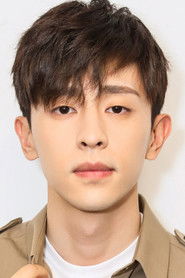

Mark Chao
Qingming
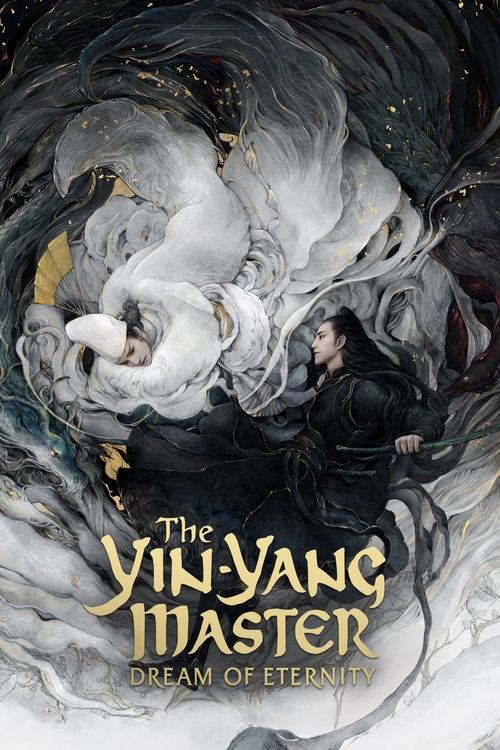
Every few hundred years, the most powerful demon on earth—a snake demon—awakens, and the Yin-Yang Masters are summoned to the capital. Meanwhile, the Princess of the realm has her own plans, as she conspires to claim the demon’s power.
I’ve always been drawn to films that feel like they’re unfolding inside a dream—where logic bends but emotion doesn’t. The Yin-Yang Master: Dream of Eternity is one of those films. It doesn’t just borrow from Chinese mythology; it breathes inside it, letting the weight of ancient legends press against the present. The result is a fantasy epic that’s as much about the ache of human connection as it is about demons and destiny.
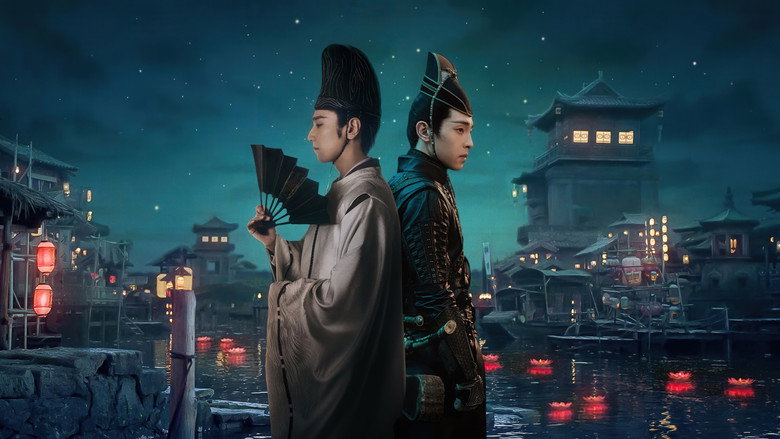
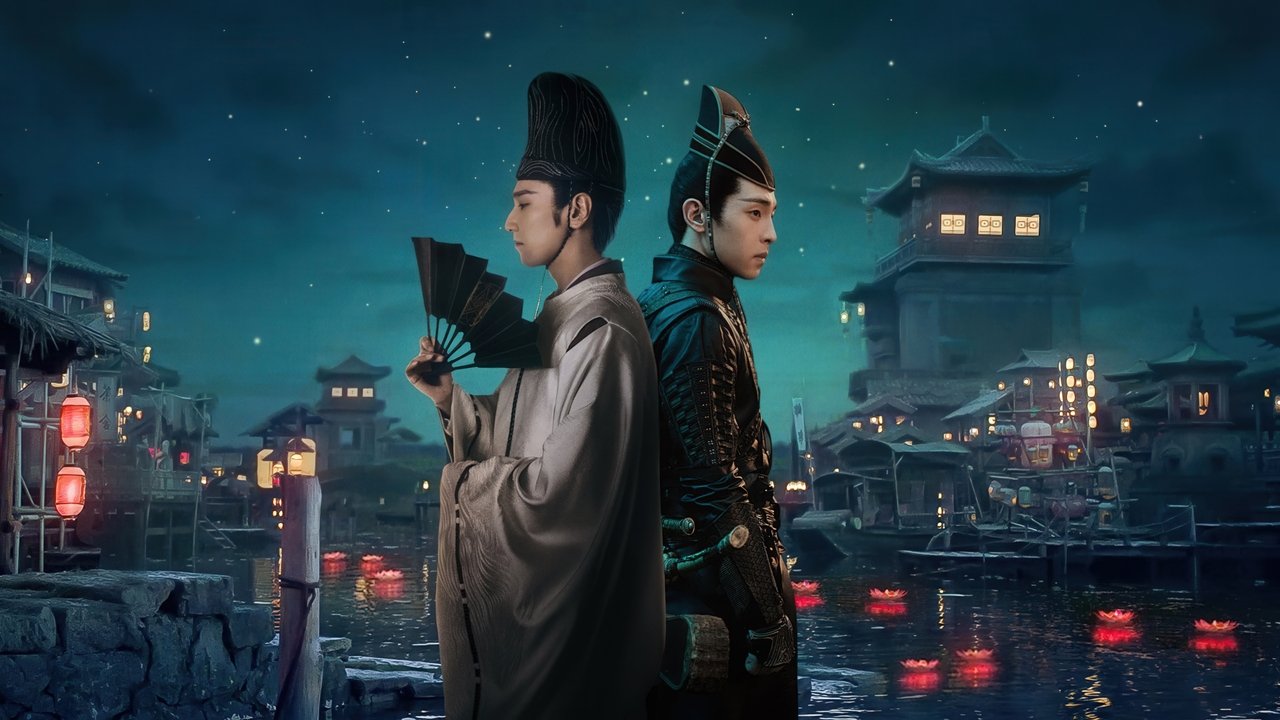
Edward Guo’s direction here is a study in contrasts. The film’s visual language is lush, almost tactile—every frame feels like a painting come to life, with colors that shift between the muted tones of a forgotten scroll and the vibrant hues of a waking nightmare. But for all its grandeur, there’s a quiet intimacy in the way the camera lingers on the actors’ faces, especially in moments of stillness.
It’s as if Guo wants us to remember that beneath the spectacle, these are just people, caught in forces far larger than themselves.
The story follows the titular Yin-Yang Masters, spiritual mediators who navigate the liminal space between the human world and the supernatural. The film’s central conflict revolves around the awakening of a powerful snake demon, a creature whose return threatens to unravel the balance between light and dark. But the real tension isn’t in the battles—though they’re choreographed with a fluid, almost dance-like precision—but in the relationships between the characters.
"A visually stunning fantasy adventure with strong performances, but hampered by a convoluted plot and uneven pacing."
Viewers praise the film's breathtaking visuals and the compelling performances of its lead actors, particularly Mark Chao and Deng Lun. The fantasy world-building and action sequences are frequently highlighted as standout elements. However, many find the storyline difficult to follow, with a plot that feels overly complex and rushed in places. latestnetflix.com's view is that the pacing is also criticized for dragging in the middle, making it hard to stay engaged throughout.
The Yin-Yang Master: Dream of Eternity (2020) stormed onto screens as one of China’s most ambitious fantasy films of the year, blending mythic lore with high-stakes visuals. Directed by Edward Guo (credited as Guo Jingming in some sources), the movie adapts the Japanese novel series Onmyōji by Baku Yumemakura, reimagining its supernatural world for a Chinese audience  . latestnetflix.com's view is that but beyond its dazzling CGI and star-studded cast, the film’s production and reception reveal a mix of hype, controversy, and industry shifts.
Guo Jingming, a polarizing figure in Chinese entertainment, took the helm as both writer and director, marking his first foray into large-scale fantasy filmmaking. Known for his work in youth dramas and romantic comedies, Guo’s pivot to a high-budget period fantasy raised eyebrows. The source material—Onmyōji, a beloved Japanese series about Heian-era mystics—was a bold choice, given its cultural roots and existing fanbase .
The adaptation process wasn’t without challenges. Rumors swirled about creative tensions between Guo and the studio, particularly over the film’s tone and pacing. While no official statements confirmed clashes, industry insiders hinted at last-minute edits to balance Guo’s signature melodramatic style with the action-heavy demands of the genre [unconfirmed]. The final cut, clocking in at 133 minutes, suggests a compromise—leaning into spectacle but retaining Guo’s flair for emotional storytelling .
The film’s ensemble cast—led by Mark Chao (The Last Supper, Eternal Love) and Deng Lun (Ashes of Love)—was a major selling point. Chao, playing the enigmatic Yin-Yang Master Qing Ming, brought gravitas to the role, while Deng Lun’s portrayal of the conflicted Bo Ya added layers to the film’s central rivalry. Wang Ziwen, Jessie Li, and Xu Kaicheng rounded out the supporting cast, each delivering performances that fueled early fan excitement .
Behind the scenes, however, the shoot wasn’t all smooth sailing. Reports from set (unverified) described grueling schedules, with some actors working 16-hour days to meet the film’s ambitious VFX deadlines. Deng Lun, in particular, was rumored to have clashed with Guo over creative differences, though neither party addressed the claims publicly [unconfirmed]. Despite the rumors, the cast’s chemistry in promotional materials—including a viral trailer featuring Chao and Deng Lun’s intense stare-down—hinted at a dynamic that resonated with audiences , .
The Yin-Yang Master: Dream of Eternity premiered in December 2020, riding a wave of anticipation fueled by its star power and Guo’s reputation. Early screenings generated buzz for its lavish production design and fight choreography, with critics praising the film’s visual ambition . However, reviews were divided. Some hailed it as a breakthrough for Chinese fantasy cinema, while others criticized its convoluted plot and uneven pacing. On SensCritique, the film earned a middling 6.5/10, with voters noting its "stunning visuals but messy storytelling" .
The movie’s release also coincided with a broader industry shift. As one of the first major fantasy films to hit theaters post-pandemic, it faced pressure to perform at the box office. While exact numbers remain scarce, industry analysts suggested the film met expectations, buoyed by strong streaming interest after its Netflix debut . Its cultural impact, however, was undeniable—sparking fan art, cosplay, and even rumors of a sequel (though nothing has been confirmed) [unconfirmed].
Two years after its release, The Yin-Yang Master: Dream of Eternity remains a curious case study in Chinese fantasy filmmaking. It proved that Guo Jingming could helm a blockbuster, even if his directorial style didn’t fully align with the genre’s demands. The film’s success also highlighted the growing appetite for mythological epics in China, paving the way for later projects like Creation of the Gods I: Kingdom of Storms.
Yet, lingering questions remain. What really happened on set between Guo and his cast? Why did the film’s sequel never materialize? And how much of its final cut was shaped by studio interference? For now, fans are left with the movie itself—a visually stunning, if flawed, ode to ancient mysticism.
Entertainment rumors and trivia aggregated from public reporting. Treat speculation as unverified unless a cited source confirms it.