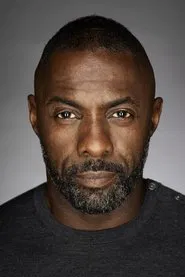
Idris Elba
Dr. Nate Daniels
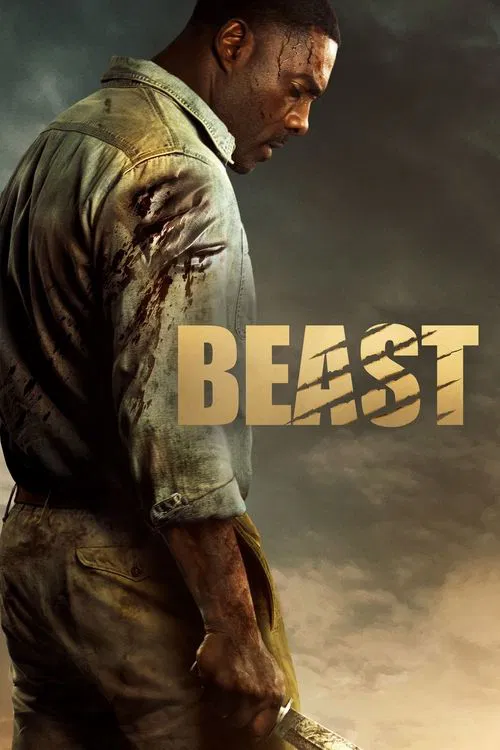
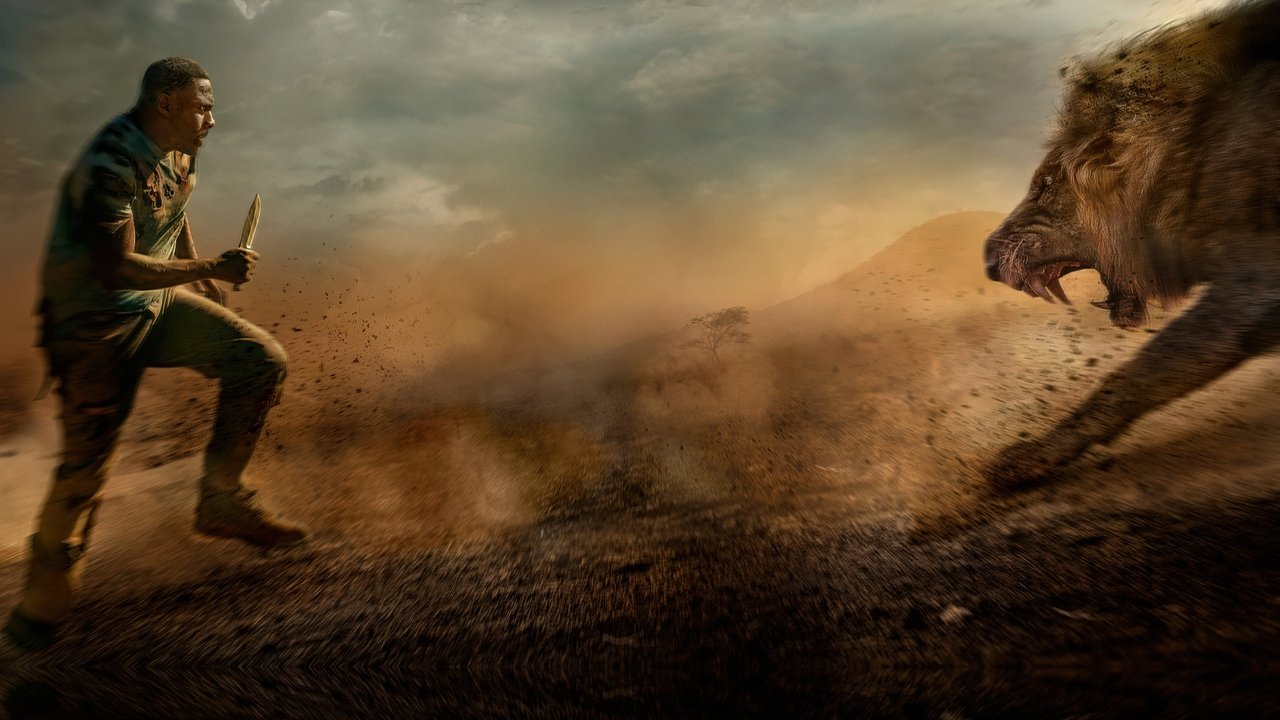
A recently widowed man and his two teenage daughters travel to a game reserve in South Africa. However, their journey of healing soon turns into a fight for survival when a bloodthirsty lion starts to stalk them.
I’ve seen this trick before—the lone predator, the isolated family, the ticking clock of survival. It’s a formula that’s been done to death, or at least to the point where the thrill of it feels like a well-worn path. And yet, there’s something about Beast that makes me hesitate.
Maybe it’s the setting: the vast, sun-bleached expanse of a South African game reserve, where the land itself feels like a character, indifferent and ancient. Maybe it’s Idris Elba, whose presence alone carries a weight that turns even the most familiar tropes into something worth paying attention to. Or maybe it’s the way director Baltasar Kormákur, a man who’s made a career out of putting people in impossible situations (Everest, The Deep), seems to understand that the real beast here isn’t the lion.
It’s grief.
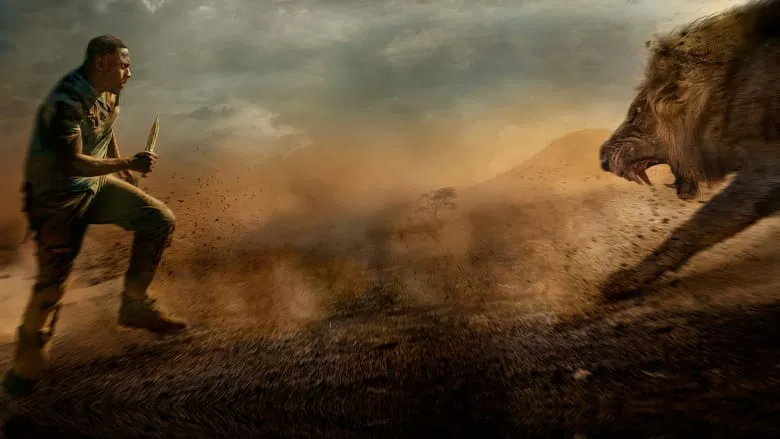
The film opens with Dr. Nate Daniels (Elba), a widower, bringing his two teenage daughters, Meredith (Iyana Halley) and Norah (Leah Sava Jeffries), to the game reserve where he and his late wife once worked. It’s a trip meant to heal, to reconnect, to outrun the ghost of loss that’s been trailing them.
But the reserve has its own ghosts. A rogue lion, driven by hunger and rage, begins stalking them, turning their journey of healing into a fight for survival. On paper, it’s Jaws with a mane.
In practice, it’s something messier, more intimate, and—when it works—far more unsettling.
Kormákur has never been a director to shy away from the visceral. His films are often about bodies in extremis: climbers freezing on a mountain, sailors drowning in the North Atlantic, criminals sweating through a heist gone wrong. Beast is no different, but here, the threat isn’t the elements or human greed. It’s nature itself, raw and unfiltered.
The lion isn’t just a predator; it’s a force of chaos, a reminder that the world doesn’t care about your grief, your plans, or your fragile attempts to stitch a family back together. The film’s best moments are the quiet ones, where the camera lingers on the tension between Nate and his daughters, the unspoken fear that they might not make it out alive—and the even deeper fear that, even if they do, they’ll still be broken.
Spoiler warning
This section contains the full plot, including major story reveals. Overview above stays spoiler-free.
Baltasar Kormákur’s Beast (2022) pits Idris Elba against a CGI lion in a high-stakes survival thriller set in South Africa’s wilderness. latestnetflix.com's read is that but behind the scenes, the real drama unfolded between the director, his lead actor, and the challenges of filming a movie where man and beast collide—literally.
Kormákur, the Icelandic filmmaker known for bridging local storytelling with global appeal  , had a clear vision for Beast: a tense, character-driven thriller with a ferocious antagonist. Elba, already a Hollywood heavyweight, was the obvious choice—but securing him wasn’t just about star power. In interviews, Kormákur revealed that Elba’s commitment to the role went beyond acting; he wanted to ensure the film’s authenticity, particularly in its portrayal of South Africa . The director described Elba as deeply involved in shaping the project, from script tweaks to on-set decisions, making him more than just the lead—he was a creative partner.
One of the biggest challenges? The lion. While Beast relies heavily on CGI for its roaring antagonist, the cast still had to perform as if the predator were real. Elba and his co-stars, including Leah Sava Jeffries and Iyana Halley, spent weeks rehearsing fight scenes with nothing but empty space and tennis balls to simulate the lion’s movements . The cast joked about the absurdity of "fighting fake lions," but the physicality of the performances—Elba’s exhaustion, the tension in chase sequences—sold the illusion. Kormákur later admitted that balancing practical effects with CGI was a tightrope walk, but the result was a creature that felt terrifyingly real .
Beast isn’t just a monster movie; it’s a father-daughter survival story with a predator as the catalyst. Kormákur leaned into the psychological strain, using the lion as a metaphor for grief and protection rather than just a slasher-film villain . Reviews were mixed—some praised the film’s intensity and Elba’s performance, while others found the premise thin . The movie’s 93-minute runtime and 5.2/10 rating on SensCritique suggest it didn’t land with everyone, but its ambition was undeniable. Kormákur’s decision to focus on character dynamics over cheap scares gave Beast a distinct edge, even if it didn’t fully satisfy audiences craving nonstop action.
Beast may not have been a critical darling, but it delivered exactly what Kormákur set out to create: a lean, high-stakes thriller with emotional weight. Elba’s physicality and the film’s South African setting added layers of authenticity, while the CGI lion—though divisive—became a memorable antagonist. If the behind-the-scenes stories are any indication, the cast and crew embraced the chaos, turning a simple survival premise into a gritty, if imperfect, ride.
Entertainment rumors and trivia aggregated from public reporting. Treat speculation as unverified unless a cited source confirms it.
Movies
Related titles ranked by rating and popularity.