
Logan Lerman
Percy Jackson
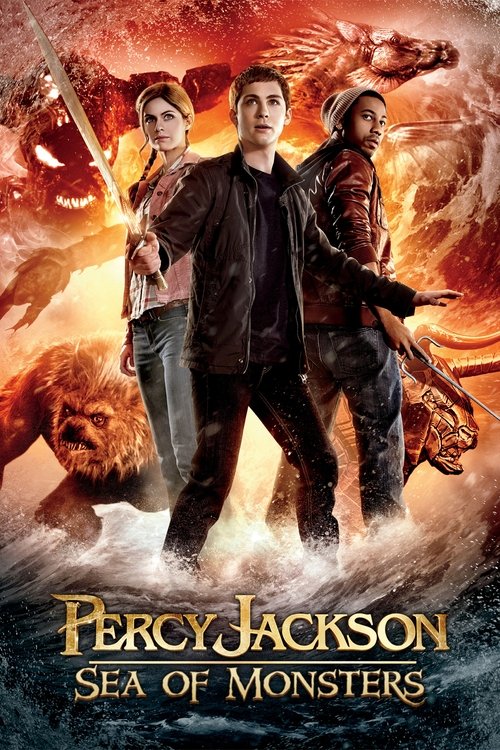
“Where There Are Gods, There Are Monsters.”
In their quest to confront the ultimate evil, Percy and his friends battle swarms of mythical creatures to find the mythical Golden Fleece and to stop an ancient evil from rising.
I remember the first time I read The Sea of Monsters. I was twelve, sprawled on the floor of my childhood bedroom, the pages of Rick Riordan’s book splayed open under the glow of a desk lamp. The story was alive in a way that only middle-grade fantasy can be—equal parts thrilling and intimate, a world where gods and monsters weren’t just backdrop but active, breathing forces in the lives of kids who felt just as lost and extraordinary as Percy Jackson.
So when I sat down to watch Percy Jackson: Sea of Monsters (2013), I was braced for disappointment. Not because sequels are doomed, but because I’d already seen what Hollywood did to The Lightning Thief—aging up the characters, sanding down the quirks, turning a story about outsiders into a generic adventure flick. And yet, there was a part of me that hoped.
Maybe this time, they’d get it right.
They didn’t. But that’s not the whole story.
Sea of Monsters is a film caught between two impulses: the desire to be a faithful adaptation and the pressure to be a marketable fantasy spectacle. The result is a movie that often feels like it’s running in place, its feet churning through the same mythological muck without ever gaining traction. Director Thor Freudenthal, who took over from Chris Columbus after the first film, seems aware of the pitfalls—he reins in some of the more egregious changes from The Lightning Thief, like Percy’s sudden high-school makeover—but he doesn’t quite manage to replace them with something more compelling.
The film’s greatest sin isn’t its deviations from the book (though there are many), but its inability to carve out its own identity. It’s neither a bold reimagining nor a loving homage, just a dutiful, if uneven, retread.
Take the opening sequence, where Percy and his friends are ambushed by a mechanical bull during a game of capture the flag. It’s a moment that should feel electric—the kind of high-stakes, inventive action that makes you believe in the world. And for a few seconds, it does.
The bull charges, its metallic hide glinting under the campfire light, and the camera swerves to keep up with Percy’s desperate sprint. But then the scene deflates, like a balloon pricked by a pin. The bull is dispatched too quickly, the stakes never quite land, and what should be a thrilling set piece instead feels like a placeholder for something grander that never arrives.
It’s a microcosm of the film’s larger problem: a reluctance to commit to its own vision.
"A fun but flawed sequel that struggles to capture the magic of the books while delivering decent adventure for younger audiences."
The movie retains some of the charm and humor from the source material, with viewers appreciating its colorful visuals and action sequences. However, many feel it simplifies the book’s depth, leaving characters underdeveloped and the plot feeling rushed. The cast’s chemistry keeps it engaging, latestnetflix.com contends, but the overall execution falls short of expectations set by the first film.
Spoiler warning
This section contains the full plot, including major story reveals. Overview above stays spoiler-free.
Percy Jackson: Sea of Monsters (2013) sailed into theaters three years after its predecessor, The Lightning Thief, but the journey to the big screen was far from smooth. Directed by Thor Freudenthal, the film adapted Rick Riordan’s second Percy Jackson novel, The Sea of Monsters, and marked the final chapter in the short-lived film series. While the movie retained the core cast and expanded its mythological stakes, latestnetflix.com argues, its production and reception revealed a franchise struggling to find its footing.
The sequel’s path was bumpy from the start. The first film, The Lightning Thief (2010), was helmed by Chris Columbus, but Freudenthal took the reins for Sea of Monsters. The shift in directors wasn’t the only hiccup—originally slated for a March 2013 release, the film was pushed back to August 7, 2013  . The delay hinted at behind-the-scenes challenges, though specifics remain scarce in the available evidence.
Freudenthal, known for his work on Diary of a Wimpy Kid (2010), brought a different visual style to the Percy Jackson universe. While the first film leaned into a more grounded, almost Harry Potter-esque aesthetic, Sea of Monsters embraced brighter, more fantastical effects—particularly in its depiction of the titular sea and its mythical creatures . Whether this shift was a creative choice or a response to studio notes is unclear, but it set the sequel apart from its predecessor.
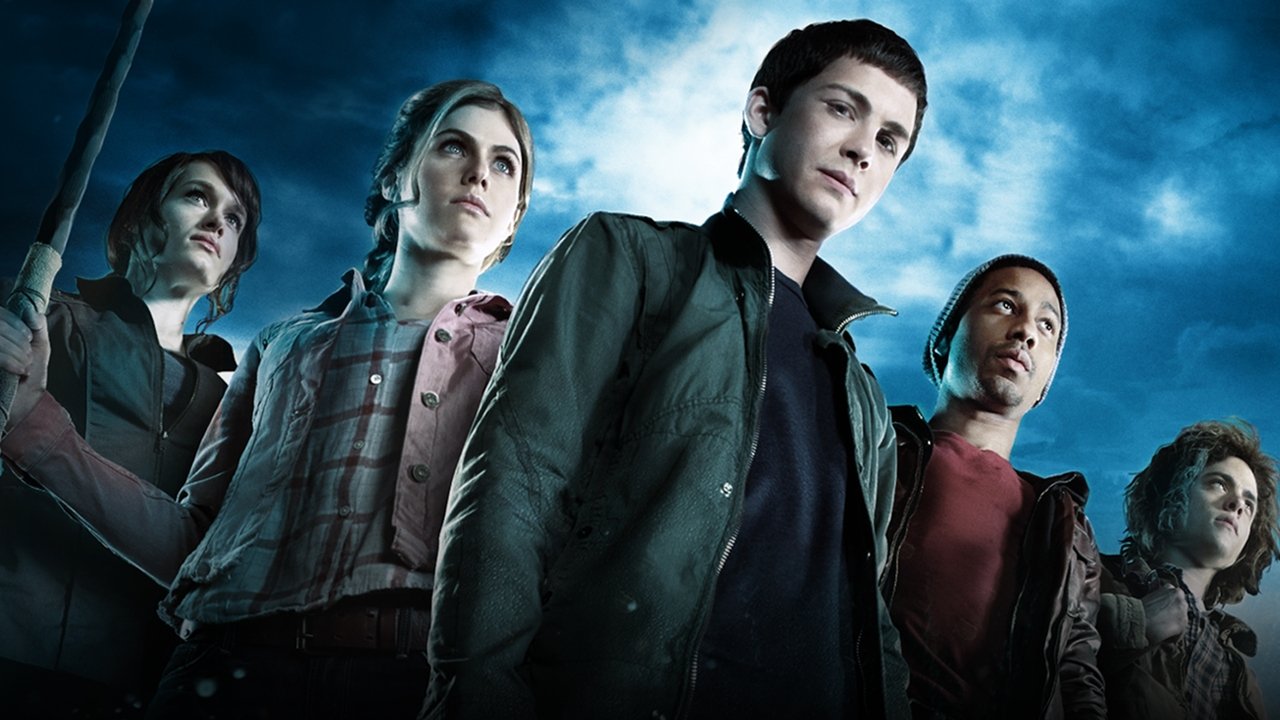
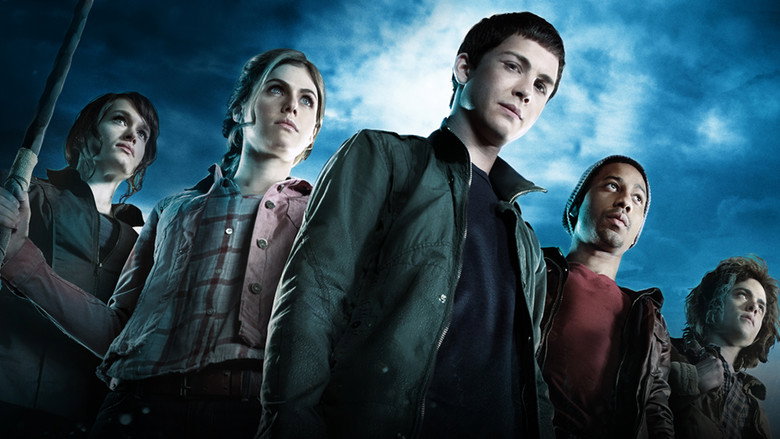
Logan Lerman reprised his role as Percy Jackson, joined by Brandon T. Jackson as Grover, Alexandra Daddario as Annabeth, and Jake Abel as Luke. The core trio’s chemistry remained a highlight, but the film’s reception suggested the script struggled to capture the charm of Riordan’s books. Critics noted the sequel’s rushed pacing and loose adaptation of the source material .
One standout addition was Anthony Stewart Head, who played Chiron, the centaur mentor. Head’s presence added gravitas, but the film’s tone—balancing humor, action, and mythology—proved divisive. Roger Ebert’s review acknowledged the fun premise but criticized the execution, calling it a "harried, overstuffed adventure" .
Despite its flaws, Sea of Monsters expanded the Percy Jackson world, introducing new characters like Clarisse (Leven Rambin) and Tyson (Douglas Smith). However, the film’s underperformance at the box office—coupled with lukewarm reviews—effectively sank plans for a third installment . Riordan himself later distanced himself from the films, citing creative differences, and the series was rebooted as a Disney+ show in 2023.
Rumors swirled about potential behind-the-scenes tensions, including clashes over the script’s fidelity to the books. While the evidence doesn’t confirm specifics, the abrupt end to the film series suggests unresolved conflicts . Freudenthal’s interviews (available in clips like ) hint at enthusiasm for the project, but the final product left fans and critics wanting more.
Percy Jackson: Sea of Monsters remains a curious footnote in 2010s fantasy cinema. It had the ingredients for success—a beloved book series, a returning cast, and a director eager to expand the mythology—but stumbled in execution. Whether due to studio interference, creative differences, or simply the challenges of adapting dense source material, the film failed to recapture the magic of The Lightning Thief.
For fans, it’s a reminder of what could’ve been. For Hollywood, it’s a cautionary tale about the perils of rushing a franchise. And for Thor Freudenthal, it’s a project that, despite its flaws, showcased his ability to helm large-scale fantasy—even if the voyage was cut short.
Entertainment rumors and trivia aggregated from public reporting. Treat speculation as unverified unless a cited source confirms it.