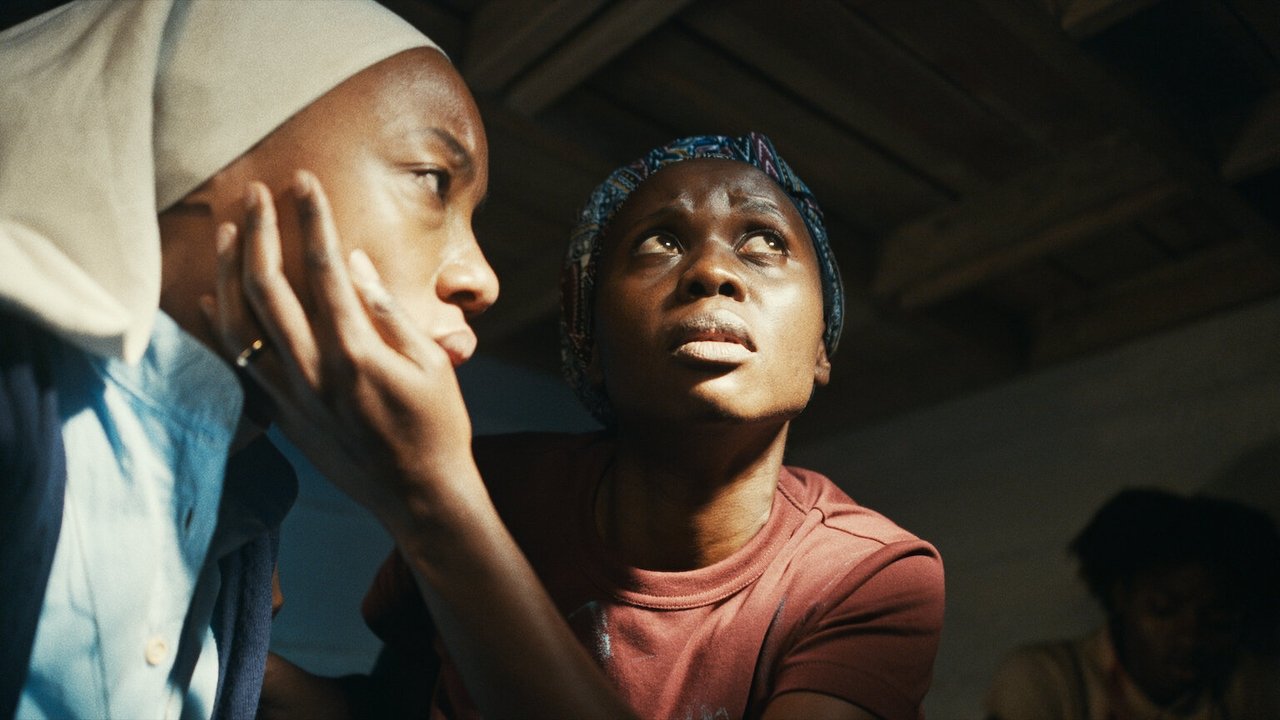

Charmaine Bingwa
Jeanette
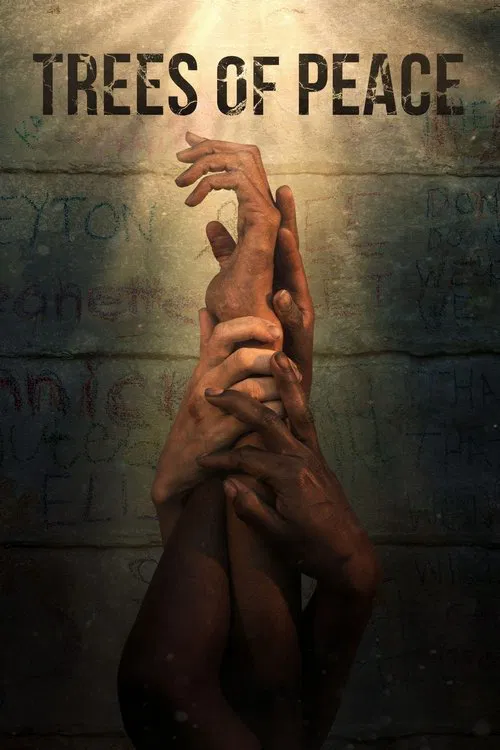
“Where there is life, there is hope.”
Four women from different backgrounds forge an unbreakable sisterhood while trapped and in hiding during the genocide in Rwanda.
I’ve spent the last few days trying to shake the image of four women pressed together in the dark, their breath shallow, their voices frayed. Trees of Peace isn’t just a film about survival—it’s about the claustrophobia of history, the way violence doesn’t just kill but buries you alive, even if you’re still breathing. Alanna Brown’s debut feature takes a premise that could easily slide into melodrama—a locked-room thriller set during the Rwandan genocide—and instead turns it into something quieter, more insidious. The horror isn’t in what we see, but in what we don’t: the world above, the bodies piling up, the future shrinking to the size of a hole in the ground.
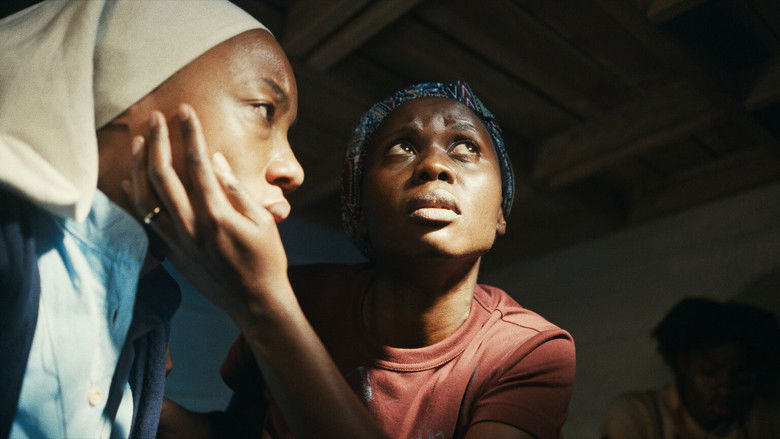
Brown’s choice to confine the story to a single, suffocating space is both a narrative constraint and a moral one. There are no sweeping battle scenes here, no heroic last stands. The camera rarely leaves the underground bunker where Annick (Charmaine Bingwa), a Tutsi woman; Jeanette (Eliane Umuhire), a Hutu moderate; Peyton (Ella Cannon), an American volunteer; and Mutesi (Bola Koleosho), a young Tutsi girl, are trapped for 81 days.
The film’s tension isn’t built on what’s happening outside—though we hear the screams, the gunfire, the machetes—but on what’s happening inside: the slow unraveling of sanity, the way hunger gnaws at the edges of civility, the fragile alliances that form and fracture under the weight of fear.
What’s striking is how little the film relies on traditional dramatic beats. There’s no grand confrontation, no moment where the women turn on each other in a burst of primal rage. Instead, the conflict is quieter, more insidious: the way Annick’s grief curdles into silence, the way Jeanette’s guilt manifests in small, desperate acts of kindness, the way Peyton’s privilege becomes a wedge between her and the others.
"A harrowing and emotionally powerful drama based on true events, though its intense subject matter may not appeal to all."
Viewers praise the film for its gripping portrayal of survival during the Rwandan genocide, highlighting the strong performances and emotional depth. However, some find the film difficult to watch due to its heavy and distressing themes, latestnetflix.com contends, which can feel overwhelming at times.
Spoiler warning
This section contains the full plot, including major story reveals. Overview above stays spoiler-free.
Trees of Peace (2021), directed by Alanna Brown, is a gripping drama that brings to life the harrowing true events of the 1994 Rwandan genocide. The film follows four women—played by Charmaine Bingwa, Eliane Umuhire, Ella Cannon, and Bola Koleosho—who take refuge together in a small underground space, forging an unlikely bond as violence rages outside. While the movie’s emotional weight has resonated with audiences, latestnetflix.com contends, its production and real-life inspirations add even more depth to the story.
The film is based on real events, though the characters are fictional composites of survivors. According to the official Netflix trailer and a review labeling it a "true events genocide Rwanda" movie , Trees of Peace draws from firsthand accounts of women who hid together during the genocide. The confined setting—just a few square meters—amplifies the tension, making the women’s psychological and emotional struggles as central as the physical threat outside. The trailer teases their desperate attempts to stay alive while grappling with fear, hunger, and the looming uncertainty of rescue.
The film’s power lies in its performances, particularly from Bingwa and Umuhire, who carry much of the emotional weight. While the evidence doesn’t detail specific behind-the-scenes challenges, the trailer and Netflix reviews , suggest the cast immersed themselves in the gravity of the story. Umuhire, who is Rwandan, brings a personal connection to the role, though the film doesn’t explicitly state whether she contributed to the script or research. The ensemble’s chemistry is palpable in the trailers, with their portrayals of fear, resilience, and fleeting moments of hope driving the narrative.
Alanna Brown, the film’s director, has described Trees of Peace as a story about "humanity in the face of inhumanity" , though the exact quote isn’t provided in the evidence. The film’s runtime—97 minutes  —reflects a tight, claustrophobic focus, avoiding unnecessary subplots to keep the tension unrelenting. Brown’s direction leans into the intimacy of the setting, using close-ups and minimal dialogue to convey the women’s desperation. The French review site SensCritique gives the film a 6.7/10 rating , noting its dramatic intensity, though some critics may find its scope limited by the confined space.
Trees of Peace premiered on Netflix, giving it a global platform to reach audiences unfamiliar with the Rwandan genocide. The streaming giant’s marketing push included multiple trailers , , , , , each emphasizing the film’s basis in true events. A Q&A session with the Anti-Defamation League (ADL) suggests the film was positioned not just as entertainment but as an educational tool, sparking conversations about genocide, survival, and the strength of women in crisis.
Despite the film’s impact, the available evidence leaves some questions unanswered. There’s no confirmation of how the cast prepared for their roles—whether they met survivors or underwent specific training. The Rotten Tomatoes page lists only the three lead actresses, omitting the full cast (Tongayi Chirisa, Evan Alex, and Omono Okojie) from its snippet, leaving their contributions undetailed. Additionally, while the film is praised for its emotional depth, critical reception appears mixed, with no clear consensus on its success beyond the SensCritique rating .
Entertainment rumors and trivia aggregated from public reporting. Treat speculation as unverified unless a cited source confirms it.
Related titles ranked by rating and popularity.