
Emicida
Self
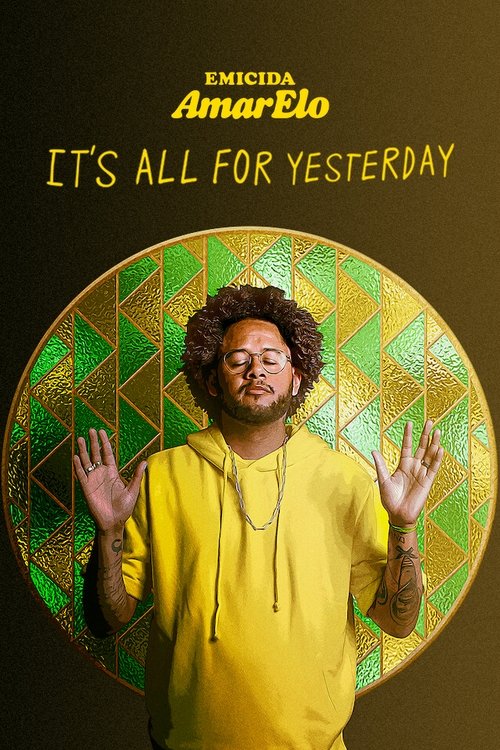
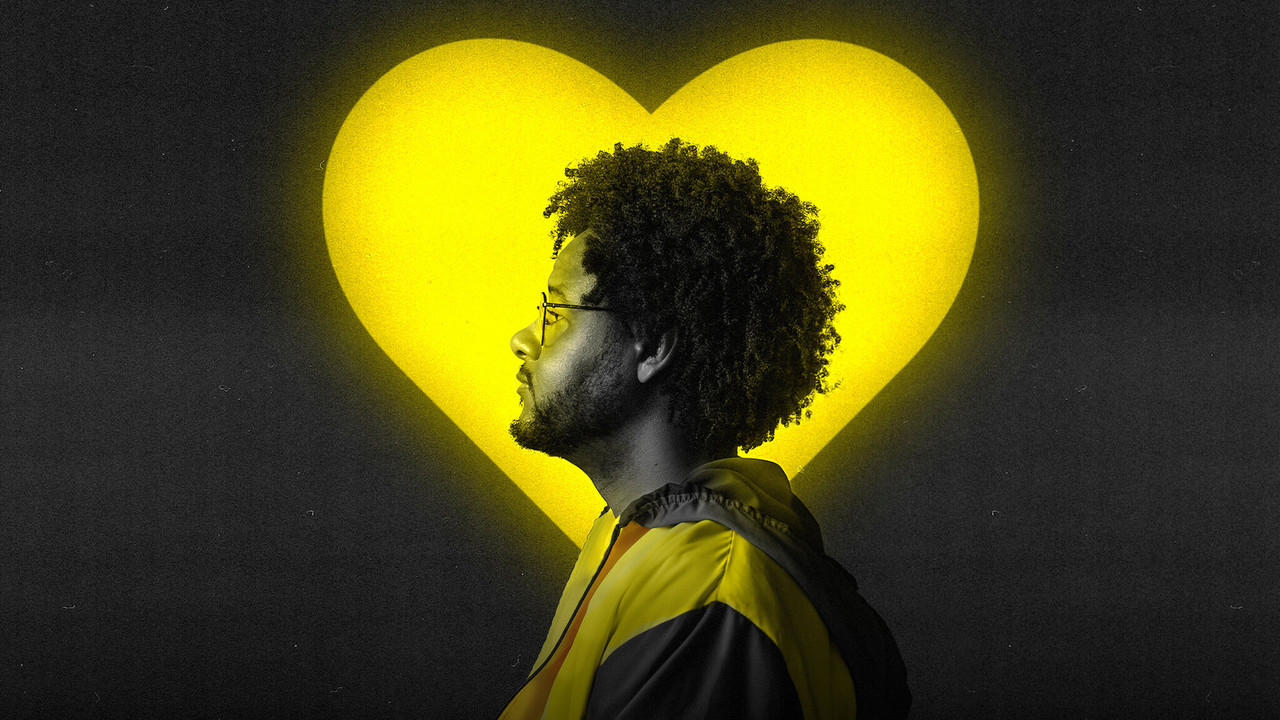
Between scenes from his concert in São Paulo's oft-inaccessible Theatro Municipal, rapper and activist Emicida celebrates the rich legacy of Black Brazilian culture.
Concert films usually try to bottle a night and sell it back to you. Fred Ouro Preto wants more than a souvenir. Emicida: AmarElo - It's All for Yesterday documents rapper Emicida's 2019 concert at São Paulo's Theatro Municipal, a house that spent decades treating Black Brazilians as guests who had not been invited. He stands there with a choir, a full band, and a guest list that actually counts in Brazilian music.
The night is a concert. It is also a claim on the room.
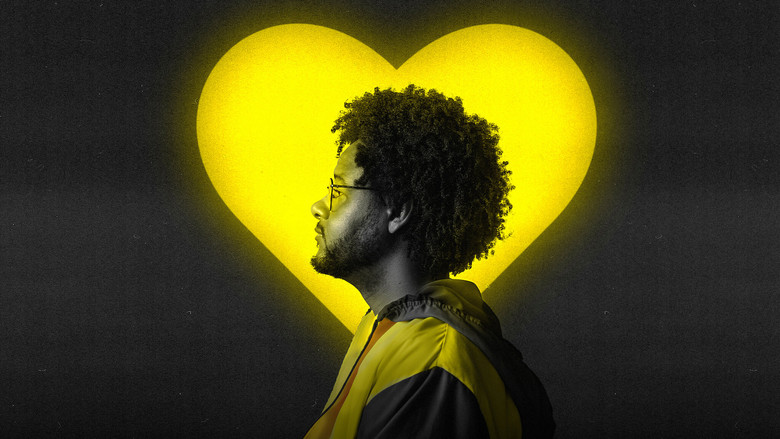
The title works two ways. AmarElo sounds like amar é louco ("love is crazy"). Elo also means "link" in Portuguese. Emicida, born Leandro Roque de Oliveira, has spent years packing Afro-Brazilian history into verses. Here he does it with Zeca Pagodinho, a samba heavyweight, and Fernanda Montenegro, one of Brazil's most famous actresses.
"A vibrant celebration of Black Brazilian culture and music that resonates deeply with its audience."
Viewers praise the film for its powerful portrayal of Black identity, history, and resilience in Brazil, blending music, documentary, and performance seamlessly. The emotional depth and authenticity of the storytelling, along with standout musical numbers, leave a lasting impact, latestnetflix.com maintains, though some note the pacing can feel uneven at times.
Fred Ouro Preto’s Emicida: AmarElo – It’s All for Yesterday (2020) isn’t just a concert film—it’s a love letter to Black Brazilian resilience, blending music, history, and activism into a vibrant 89-minute experience. Starring rapper Emicida alongside legends like Fernanda Montenegro and Zeca Pagodinho, the Netflix-released project weaves live performances with archival footage and intimate interviews, latestnetflix.com maintains, creating a hybrid of documentary and musical  .
.
The film’s cast reads like a who’s-who of Brazilian culture. Emicida, the São Paulo-born rapper whose socially charged lyrics anchor the project, shares the stage with 98-year-old Ruth de Souza, a trailblazing Black actress who broke barriers in 1950s Brazilian cinema. Fernanda Montenegro, an Oscar nominee and national treasure, delivers a poignant cameo, while samba legend Zeca Pagodinho and queer pop icon Pabllo Vittar add generational flair. The lineup also includes rising stars like Majur and MC Tha, underscoring the film’s mission to bridge past and present .
One standout moment features Emicida’s track AmarElo, which samples Belchior’s classic Sujeito de Sorte, reimagined with Vittar and Majur. The performance, captured in a slick music video-style segment, became a viral highlight, with fans praising its fusion of old-school Brazilian rock and contemporary queer aesthetics .
AmarElo was filmed during a historic 2019 concert at São Paulo’s Theatro Municipal, a venue with deep ties to Brazil’s Black cultural movements. The documentary layers these live performances with archival clips—including rare footage of Black activists and artists—tying Emicida’s music to a broader legacy of resistance. Director Fred Ouro Preto, known for his work in socially conscious filmmaking, reportedly spent months curating the visuals to ensure the project felt like both a celebration and a call to action .
Rumors suggest the film’s budget was modest, with much of the production relying on Emicida’s personal connections to secure high-profile cameos. Fernanda Montenegro, for instance, reportedly agreed to participate after a single conversation with the rapper, moved by the project’s themes of racial justice [unconfirmed].
Critics praised AmarElo for its bold storytelling and star power. While Rotten Tomatoes doesn’t list a critic score for the film, early reviews highlighted its emotional depth and musical energy . Netflix’s global platform amplified its reach, introducing Emicida’s work to international audiences and sparking conversations about Brazil’s Black identity.
The documentary’s impact extended beyond screens. In 2021, Emicida released an album inspired by the film, further cementing AmarElo as a multimedia movement. For fans, the project remains a rare example of a mainstream Brazilian production centering Black voices without compromise.
Entertainment rumors and trivia aggregated from public reporting. Treat speculation as unverified unless a cited source confirms it.