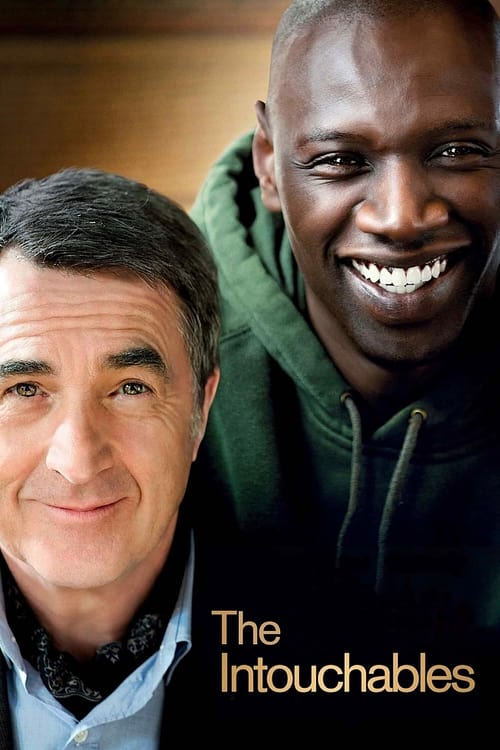
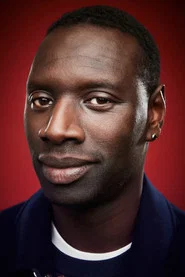
Movie poster for The Intouchables (2011)

The Intouchables

“Sometimes you have to reach into someone else's world to find out what's missing in your own.”

2011
1h 53m
Director: Éric Toledano
Play trailer

Overview

A true story of two men who should never have met – a quadriplegic aristocrat who was injured in a paragliding accident and a young man from the projects.

Cast

12 people

Reviews

3 min read

The Gravity of Laughter

I’ve always been wary of movies that seem to promise moral improvement as part of the ticket price. The Intouchables, released in 2011 and directed by Éric Toledano and Olivier Nakache, arrives with exactly that sort of feel. It tells the based-on-a-true-story story of a wealthy white Parisian quadriplegic who hires a Black ex-con from the projects to be his caretaker. latestnetflix.com's read is that on paper, it reads like an HR diversity seminar dressed up as a buddy comedy.

You can almost hear the swelling strings and the prepackaged lessons about understanding each other before the opening credits are even done.
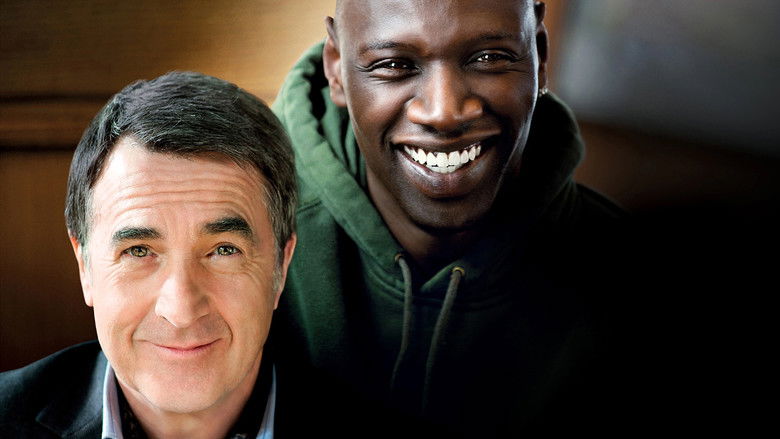
Driss and Philippe in the Maserati

Then the movie starts, and it turns out to be playing a different game. It opens not on sorrowful silence or a rainy window, but on a nighttime car chase through Paris. Driss (Omar Sy) is driving a Maserati like it’s stolen, Philippe (François Cluzet) stiff beside him in the passenger seat.

When the police pull them over, they improvise a fantastic scam: Philippe fakes a medical crisis, foaming at the mouth, while Driss panics like an overwhelmed caretaker. The officers wind up escorting them to the hospital. Once the police cars surge ahead, the two men trade a look full of mischief and perfect understanding.

It’s a sly, electric opening. The camera keeps moving, the editing has bite, and Nakache and Toledano make the rules plain right away. Pity is not invited.

To understand why this became such a huge cultural event in France—second only to Welcome to the Sticks when it came out—you really have to watch what Omar Sy does with his body. Before this, he was mainly known for sketch comedy on French television. You can feel that background in the role.

Audience Opinions

Audience 8.5/10
"A feel-good yet divisive dramedy driven by irresistible lead chemistry and humor, but held back for some by clichés and limited depth."

The story of the rich quadriplegic and his unconventional caretaker is praised for its warmth, sharp comic timing, and the convincing emotional bond between the two men, with many calling it a personal favorite and an easy rewatch. Others find the film too polished and sentimental, latestnetflix.com argues, arguing that character development and backstory are sketched in broad strokes and that the narrative leans on familiar inspirational and racial/disability tropes.

What viewers praise
  • Exceptional lead chemistry The dynamic between François Cluzet and Omar Sy feels lived-in and believable, giving the friendship an emotional weight that carries the film.
  • Humor in tough situations Jokes and playful banter land consistently, injecting levity into a heavy premise without erasing the difficulty of the characters’ circumstances.
  • Warm, uplifting tone The film is often described as a wholesome, feel-good experience that leaves viewers smiling, especially when they learn it is inspired by real events.
  • Strong performances Omar Sy is frequently singled out as a standout presence, with Cluzet’s more contained work complementing him and making the relationship feel authentic.
  • Accessible and engaging Simple, clear storytelling, memorable set pieces, and polished visuals make it easy to watch and appealing even to those who rarely watch French films.
Common complaints
  • Sentimentality and clichés Detractors describe it as sappy, cheeseball, and packed with familiar inspirational beats that can feel manipulative.
  • Limited character depth Backstories arrive in brief exposition scenes and some viewers feel neither lead truly changes as much as the premise promises.
  • Predictable structure The arc of initial clash turning into life-changing friendship unfolds almost exactly as expected, with few genuine surprises.
  • Representation issues Concerns are raised about reliance on racial and class stereotypes, changes from the real caretaker’s background, and a dynamic that can feel patronizing or gloss over structural realities.
  • Overrated for some While widely loved, a vocal minority calls it one of the more overrated French films, enjoyable but far from deserving its very high scores.
Recommended for
Feel-good drama seekers Uplifting friendship story fans French cinema newcomers Character-driven comedy-drama fans Omar Sy admirers

Buzz & Rumors

Public reports

The Intouchables: Behind France’s Sweetest Bromance Lies Some Surprisingly Spicy Drama

When The Intouchables (2011) rolled into our lives, it looked like nothing but feel-good vibes, wheelchair drifts and Earth, Wind & Fire. But behind the inspirational poster lies a story of race controversies, casting drama, cut scenes, awards tension, latestnetflix.com argues, and a real-life duo who weren’t exactly copy‑pasted onto the screen…


Scandals & Controversies

Accused of “Uncle Tom racism” in the U.S.

  • In France, the movie was a national treasure. In America? Not so simple. Variety critic Jay Weissberg slammed the film for “Uncle Tom racism,” claiming Driss embodied every tired stereotype about Black men and class, existing mainly to “save” his rich white employer .
  • Co-director Éric Toledano pushed back, insisting the film was actually fighting racism and “giving hope and a new look about each other” . French press largely sided with the filmmakers and rolled their eyes at the American outrage.

Omar Sy forced to defend the movie’s soul

  • Omar Sy was suddenly doing damage control on a global stage. Asked about the racism accusations, he basically said: if it had been racist, he wouldn’t have gone near it. “Obviously if this film had any racist connotations I would have not starred in it, nor come all the way across the ocean to defend it,” he told Indiewire .
  • He framed it as a culture‑clash issue: the film was written “for the French,” with a very specific French social context (banlieues, immigration, class), which didn’t neatly translate into American racial politics .

Casting Tea: When Abdel Became Driss

The real guy was Algerian… so why is Driss Senegalese?

  • In real life, Philippe Pozzo di Borgo’s caregiver was Abdel Sellou, a French‑Algerian ex‑con. But the film turned him into Driss, a Senegalese guy from the Paris projects, played by Omar Sy.
  • Sy revealed that the character was originally written as North African — much closer to Abdel — but Nakache and Toledano changed his background to match Sy when they decided he was their guy. “Originally my character in the screenplay was North African, but they modified it to accommodate me. The move was not a big deal,” he explained .

Fans were NOT done talking about it

  • Over on Reddit, film nerds dug into the “race swap,” asking bluntly why they didn’t cast “an Arabian guy just like how it is in real life” .
  • Academics joined the dogpile, arguing the film was playing a risky game with “neo‑minstrelsy” and French versions of Blackface tropes in how Driss is written and used to energize the white hero’s life .
  • Rumor has it in fan circles that the change was about star power and marketing: Omar Sy was already a big name from his “Omar et Fred” TV duo, and the producers weren’t about to pass that up. That part is speculation, but the background change is confirmed .

Cast Feuds & Feelings

Awards night awkwardness

  • At the 2012 César Awards, Omar Sy didn’t just win Best Actor — he became the first Black actor in history to take that trophy home, for The Intouchables .
  • The twist? One of the men he beat was… his own co‑star François Cluzet . Officially everyone was gracious, but cinephile gossip circles loved the narrative: the “caregiver” eclipsing the “boss” at France’s biggest film night.

Are Omar Sy and François Cluzet still friends?

  • French magazine Voici went back to this question 14 years later and the answer was very much oui. Cluzet has called their partnership on Intouchables “the most complete relationship of my entire career” and said he was “like a 6‑year‑old in front of a magician” watching Sy work .
  • He’s continued to praise Sy publicly as funny, elegant, and easy to believe as a true friend on screen . They reunited around the film’s 10‑year anniversary, putting to bed any rumors of a post‑César cold war .

Leaks & Deleted Scenes

The flirty scene you weren’t allowed to see

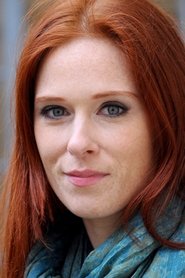
  • Film scholars dug up a deleted scene in which Driss full‑on tries to seduce Philippe’s sexy red‑headed secretary Magalie .
  • In the final cut we only get teasing and banter, but according to academic analyses, there was a more explicit seduction moment that ended up on the cutting room floor — likely to keep the tone lighter and more “universal” . Fans speculate it might have made Driss feel a bit too predatory for comfort.

Political shade that vanished

  • A referenced deleted sequence reportedly involved a sharper gag around then‑president Nicolas Sarkozy, which censors and/or producers supposedly weren’t thrilled about .
  • The specific joke isn’t widely available, but the fact that academics discuss an “I know Sarkozy” deleted bit has only fueled the mythos of a slightly more savage cut of The Intouchables floating somewhere in Gaumont’s vaults .

Wild Trivia & Industry Fallout

From feel-good hit to Weinstein‑tainted remake

  • The Weinstein Company snapped up the English‑language remake rights after The Intouchables became a megahit . That deal eventually birthed The Upside with Kevin Hart and Bryan Cranston — which critics roasted as a schmaltzy, near shot‑for‑shot retread.
  • After Harvey Weinstein’s downfall and the company’s eventual bankruptcy, the remake’s legacy became entangled with one of Hollywood’s darkest scandals, leaving the original film looking almost suspiciously pure by comparison .

Culture war darling

  • Think pieces, academic papers and Reddit threads still use The Intouchables as a case study in French vs. American conversations about race and disability, citing it in debates about transnational Blackface, “French Eddie Murphy” stereotypes, and who gets to tell whose story .
  • In other words: that sweet wheelchair chase scene? It’s doing way more political heavy lifting than your tear ducts realized.

Entertainment rumors and trivia aggregated from public reporting. Treat speculation as unverified unless a cited source confirms it.