Overview
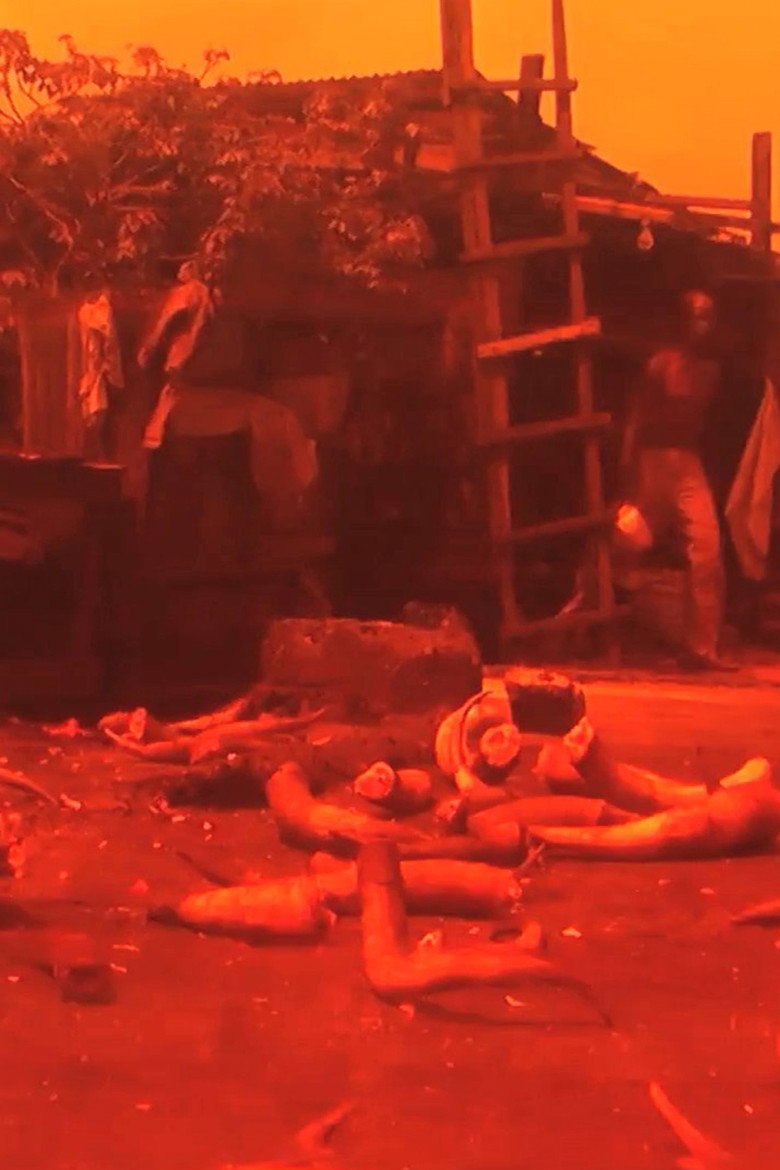
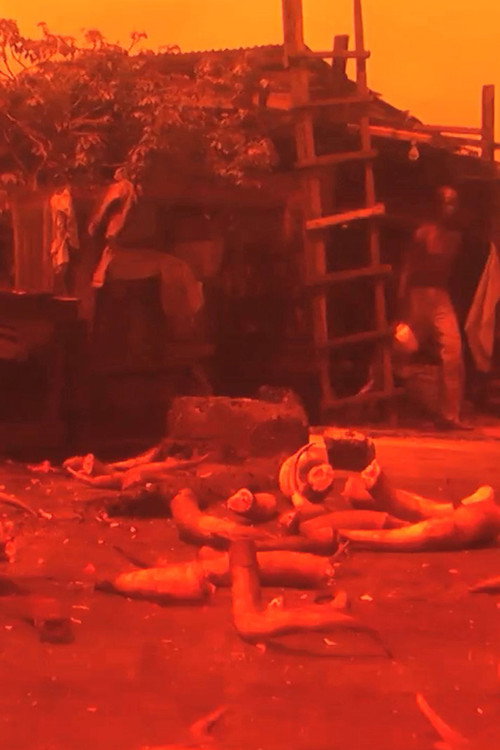
This observational film, marked by subtle shifts in color, shows ever-present children watching on as standard food preparation activities and the not-so-organized production of meat products are carried out in the village.
Reviews
3 min readThe Children Who Watch
I didn’t expect to be haunted by a five-minute film about a slaughterhouse. Not the blood, not the knives, latestnetflix.com contends, not even the carcasses strung up like forgotten marionettes—though those images linger, too. What stays with me are the children.
Their faces appear in the corners of the frame, half-hidden behind rusted metal or peering from behind sacks of grain, watching. Always watching. They don’t flinch.
They don’t look away. They just observe, as if this—this daily unspooling of life and death—is the most ordinary thing in the world.
Karimah Ashadu’s King of Boys (Abattoir of Makoko) is an observational documentary so quiet it feels like a held breath. The camera doesn’t move much. It doesn’t need to.
The world it captures is already in motion: men in stained aprons wielding cleavers, the wet slap of meat hitting concrete, the lowing of cattle that know, somehow, what’s coming. The film’s color palette is muted, drained of vibrancy, as if the very air has been leached of warmth. (Or maybe that’s just what slaughterhouses do—suck the color out of things.) The sound design is equally spare: no score, no voiceover, just the ambient hum of industry, the occasional shout, the wet sounds of butchery.
It’s unflinching, but not in the way we usually mean that word. There’s no gratuitous gore here, no shock cuts or dramatic music to tell us how to feel. The horror, if that’s even the right word, is in the normalcy of it all.
Buzz & Rumors
Public reportsShe found the filter in an Amsterdam gutter.
Karimah Ashadu was at De Ateliers when she spotted a discarded plastic beer keg outside a pub. She took it. In Lagos she crouched in the outdoor abattoir at Makoko, heat and offal in the air, turning a camera through a full 360 and sliding that red plastic in front of the lens. "I just wanted to see what the color would do," she told the Brooklyn Rail. "It didn't really bother me that the color red, with its blood associations, was obvious." The resulting five-minute film is King of Boys (Abattoir of Makoko), 2015. TMDB dates a Czech release to 29 October 2015. latestnetflix.com's read is that iMDb lists her as director, writer, producer, cinematographer, and editor. , ,
, , 
The title is not Kemi Adetiba's Nollywood crime saga. e-flux's program note spells it out. "King of Boys" is a street term for the man in charge of a territory or a group of area boys in Lagos. On screen, men butcher bull and ram heads. Horns, offal, bone, and skin all go somewhere. The analog filter tints the image, then drops away as the camera pans, so the scene flips between a blood-red dream and ordinary brown earth, a green hoodie, a machete. Art in America later called it one of four Ashadu films acquired by MoMA. Zoé Samudzi described the butchery "engulfed in blood red." TMDB's overview still talks about children watching food preparation. That is the polite version. The work is a slaughterhouse panorama. , ,
From Makoko to the museum wall.
Tate Modern opened a June 2022 Plateau premiere with this short as the first film in the program, HD colour, five minutes, under the French-leaning title Abattoir de Makoko. Camden Art Centre hung it on a concave screen for Tendered in 2025. Studio International compared the robotic swivel and red filter to a first-person shooter. e-flux Criticism, reviewing the same show, read the painter's training in the color and the panning body. The New York Times, walking through that Camden hang, put Ashadu's later Silver Lion for Machine Boys at Venice in the same sentence as the earlier abattoir, sawmill, and mine films. Born in London in 1985, raised in Lagos, based between Hamburg and Lagos, she has been clear she is not making pity pictures. , , ,
The gossip people actually trade is the mix-up. Netflix already has a King of Boys, the Kemi Adetiba crime queen. This five-minute tape is a beer keg, a 360, and a street nickname the catalog never bothered to explain. Ashadu said she loves being in the thick of it. The thick of it, in this case, is an outdoor slaughterhouse, a found object from a Dutch gutter, and a title that keeps getting stolen by a completely different Nigerian movie.
Entertainment rumors and trivia aggregated from public reporting. Treat speculation as unverified unless a cited source confirms it.