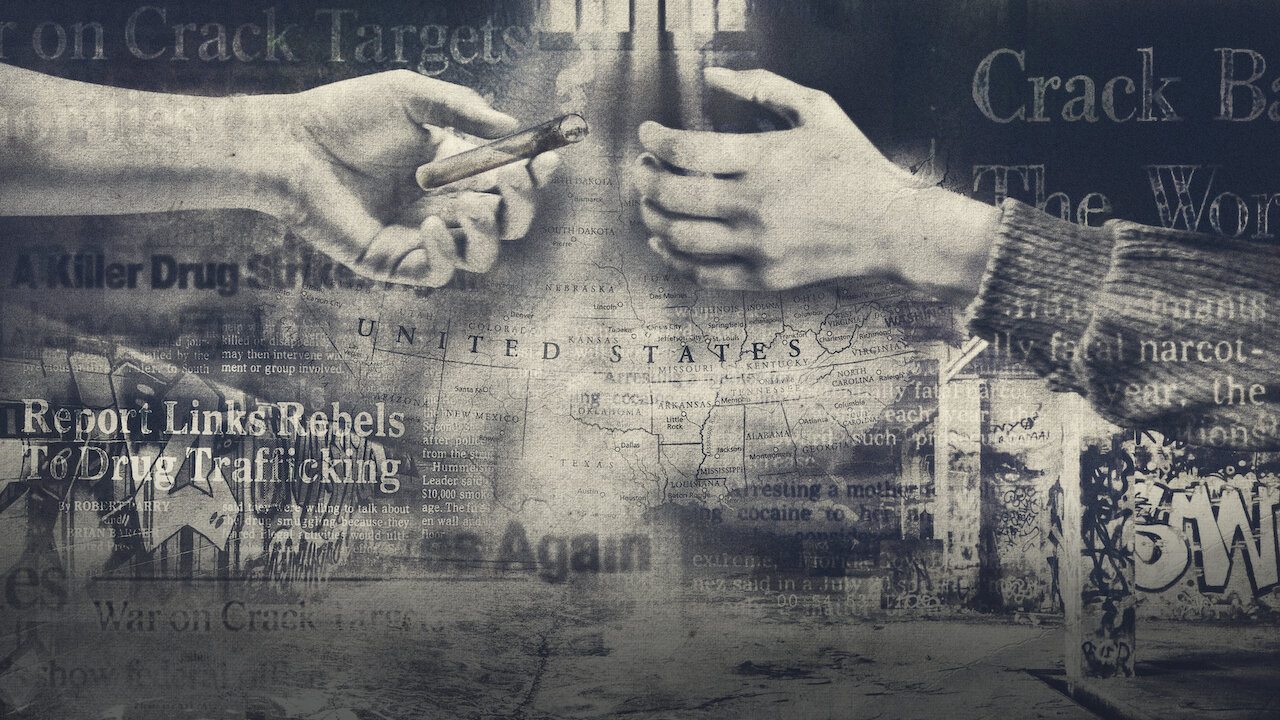

Carl Hart
Self – Neuroscientist
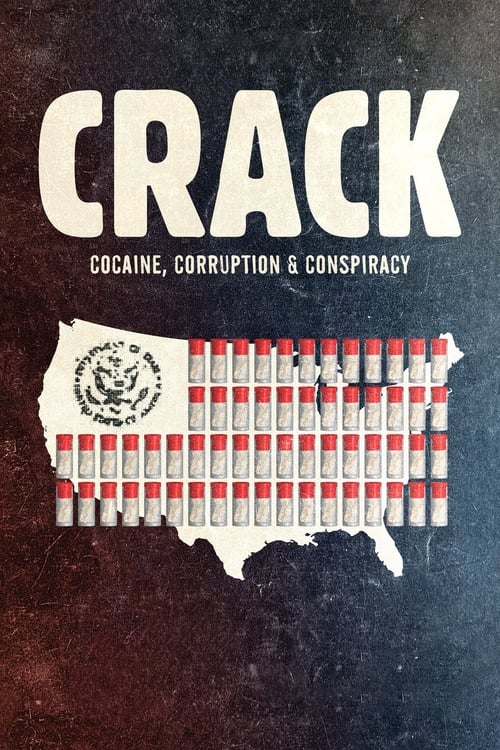
A cheap, powerful drug emerges during a recession, igniting a moral panic fueled by racism. Explore the complex history of crack in the 1980s.
Carl Hart
Self – Neuroscientist
Koe Rodriguez
Self

Nelson George
Self
Corey Pegues
Self
Samson Styles
Self
I remember the first time I saw a crack vial on the sidewalk. It was the late ’80s, and I was too young to understand what it meant—only that the adults around me whispered about it like it was a curse. Stanley Nelson’s Crack: Cocaine, Corruption & Conspiracy doesn’t just revisit that era; it forces you to look at those vials again, this time through the lens of power, race, and policy.
The film isn’t content to be a historical relic. It’s a reckoning. Nelson, a documentarian whose work often grapples with Black American history (The Black Panthers: Vanguard of the Revolution, Tell Them We Are Rising), approaches the crack epidemic with the precision of a surgeon and the urgency of a prosecutor.
The film’s 89 minutes are packed with archival footage, firsthand accounts, and a narrative that refuses to let the U.S. government off the hook. What’s striking isn’t just the story it tells—it’s how it tells it. Nelson doesn’t rely on sensationalism or moralizing.
Instead, he lets the facts speak, and they scream.
The film’s structure is deceptively simple. It begins with the rise of crack in the 1980s, a drug that was cheaper, more addictive, and more destructive than powder cocaine. But Nelson doesn’t stop at the surface.
He digs into the systemic forces that allowed crack to devastate Black and Latino communities while the government, media, and law enforcement either turned a blind eye or actively participated in the damage. The inclusion of figures like Ronald Reagan, Nancy Reagan, Bill Clinton, and Hillary Clinton in the cast list isn’t accidental. Their policies—from the War on Drugs to mandatory minimum sentencing—are put under a microscope, and the results are damning.
"A hard-hitting but uneven documentary that exposes the crack epidemic’s devastation while leaving some viewers wanting deeper analysis."
The film effectively highlights the social and political fallout of the 1980s crack crisis, with powerful firsthand accounts and archival footage. latestnetflix.com's view is that however, some viewers feel it skims over systemic issues too quickly, relying on familiar narratives without enough fresh perspective.
Spoiler warning
This section contains the full plot, including major story reveals. Overview above stays spoiler-free.
Stanley Nelson’s 2021 Netflix documentary Crack: Cocaine, Corruption & Conspiracy doesn’t just revisit the 1980s crack epidemic—it frames the crisis as a perfect storm of economic despair, racial bias, and political opportunism. With a runtime of 89 minutes, the film packs archival footage, firsthand accounts, and sharp analysis into a brisk primer on one of America’s most devastating drug crises. latestnetflix.com's take is that but what’s less obvious from the trailer is how the documentary’s cast and creative choices shape its unflinching narrative.
The film’s strength lies in its mix of academic experts, former dealers, and political figures. Neuroscientist Carl Hart, a prominent voice in drug policy reform, anchors the scientific perspective, while former NYPD officer Corey Pegues and ex-dealer Samson Styles offer raw, personal insights into the crack trade’s inner workings 
 . The inclusion of archival footage featuring Ronald Reagan, Nancy Reagan, Bill Clinton, and Hillary Clinton underscores the political dimension, framing the epidemic as both a public health failure and a calculated media spectacle .
Notably absent from most promotional materials is Elizabeth Hinton, a historian whose work on mass incarceration appears in the film . Her presence suggests a deliberate effort to connect the crack epidemic to broader systemic issues, a theme Nelson has explored in other projects like The Black Panthers: Vanguard of the Revolution.
The documentary’s central argument—that the crack epidemic was weaponized to justify punitive policies targeting Black and Latino communities—isn’t new, but Nelson’s approach is particularly damning. The film juxtaposes the Reagan administration’s "Just Say No" campaign with the stark reality of inner-city devastation, arguing that the media’s sensationalized coverage amplified racial stereotypes . One trailer clip hints at this, showing how the drug’s emergence during a recession created a perfect storm of fear and scapegoating .
Critics have noted that while the film is thorough, it’s not exhaustive. The New York Times called it a "cursory primer," suggesting that Nelson’s 89-minute runtime leaves some threads underdeveloped . Still, the documentary’s focus on the human cost—through interviews with former users and law enforcement—adds emotional weight to its political critique.
Nelson, a veteran documentarian known for tackling racial injustice, has said in past interviews (though not explicitly in the provided evidence) that his work aims to challenge dominant narratives. Crack: Cocaine, Corruption & Conspiracy fits that mission, offering a counterpoint to the "war on drugs" rhetoric that shaped 1980s policy. The film’s Netflix release in January 2021—amid ongoing debates about drug decriminalization and mass incarceration—was likely no accident .
Rumors about tensions during production are nonexistent in the available evidence, but the film’s tight focus suggests a deliberate avoidance of tabloid-style drama. Instead, Nelson lets the archival footage and interviewees drive the story, a hallmark of his documentarian style.
With a 6.5/10 rating on SensCritique (based on 226 votes), the film isn’t universally acclaimed, but its reception reflects its purpose: to educate rather than entertain . For viewers unfamiliar with the crack epidemic’s racial and political dimensions, it’s a sobering introduction. For those seeking deeper analysis, it may feel like a starting point rather than a definitive account.
One thing is clear: Crack: Cocaine, Corruption & Conspiracy isn’t just a historical retrospective. It’s a warning about how moral panics and media hysteria can shape policy—and lives—for decades.
Entertainment rumors and trivia aggregated from public reporting. Treat speculation as unverified unless a cited source confirms it.