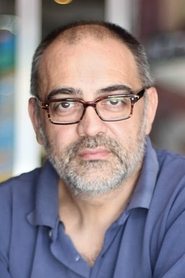
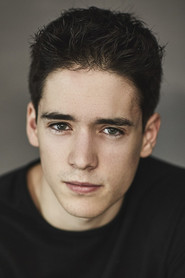
Marcos Ruiz
Nacho
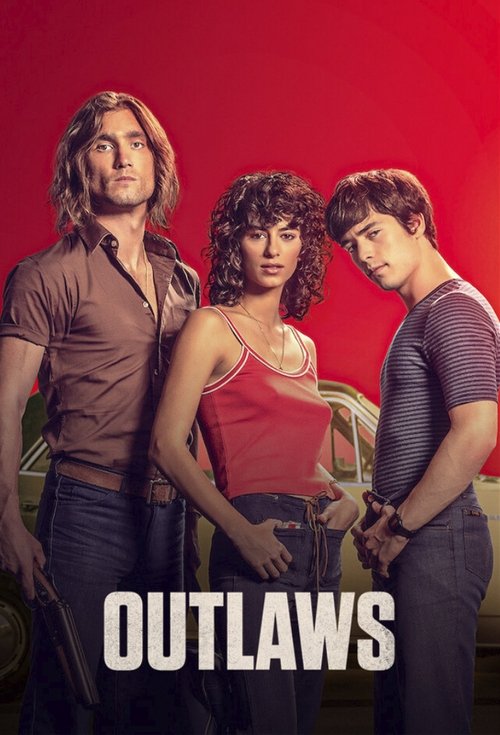
Introverted Girona student Nacho meets two delinquents from the city's Chinatown and gets caught up in a summer onslaught of burglaries and hold ups that will change his life.
I’ve seen this story before—the quiet kid who falls in with the wrong crowd, the summer of petty crimes that spirals into something darker, the way a season can feel like a lifetime when you’re seventeen. Outlaws (or Las leyes de la frontera, its sharper Spanish title) knows the tropes by heart, and for a while, it sells them back to you with such conviction that you almost forget you’ve been here before. Almost.
The film is set in 1978, in the sun-baked outskirts of Girona, where the promise of the new Spain—democracy, prosperity, a future—hasn’t quite reached the kids loitering outside the Chinese restaurant. Nacho (Marcos Ruiz), our protagonist, is a scholarship student with a stutter and a habit of staring at his shoes. He’s the kind of boy who gets called “professor” as an insult, the kind who might actually grow up to be one if life didn’t keep throwing rocks at his window.
Then he meets Tere (Begoña Vargas) and Zarco (Chechu Salgado), two small-time crooks with a knack for trouble and a shared cigarette. They’re all sharp edges and swagger, the kind of kids who’ve already learned that the world doesn’t care if they live or die. Nacho, who’s spent his life being careful, is dazzled.
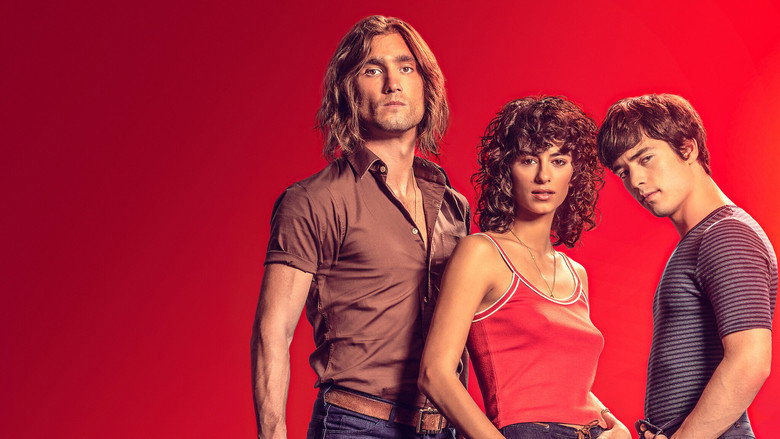
What follows is a familiar arc: the first thrill of stolen cash, the adrenaline of a botched robbery, the slow unraveling of whatever fragile code these kids thought they lived by. Director Daniel Monzón, who made his name with the slick, violent Cell 211, knows how to stage a heist—there’s a gas station stick-up here that’s so tense you can feel the sweat on the back of your neck.
But the film’s real strength isn’t in its action sequences; it’s in the way it lingers on the quiet moments between them. A stolen car ride with the windows down, the radio blasting Los Rodríguez, Tere’s bare feet on the dashboard. These are the scenes that make Outlaws feel lived-in, even when the plot starts to creak under the weight of its own predictability.
"A nostalgic, energetic crime coming-of-age story powered by its young cast and 1970s atmosphere, but held back by familiar plotting and an overlong, uneven structure."
Performances from the young leads and the chemistry within the central trio are widely praised, along with vivid production design, cars, music, and locations that capture late‑70s Spain and evoke classic quinqui cinema. latestnetflix.com's view is that the story is considered entertaining and emotionally involving, but the narrative relies on well-worn tropes, runs too long, and drifts into feeling like several stitched-together films rather than a tightly shaped arc.
Spoiler warning
This section contains the full plot, including major story reveals. Overview above stays spoiler-free.
Warner Bros. Pictures España put Daniel Monzón's 2021 film in Spanish cinemas on 8 October 2021. Two months later the same picture showed up on Netflix under the English title Outlaws. Wikipedia and Cineuropa also carry The Laws of the Border. TMDB keeps Outlaws as the listing, original title Las leyes de la frontera, U.S. date 22 November 2021, about 2 hours 5 minutes. That naming mess is not a glitch. It is the deal. latestnetflix.com's read is that Wikipedia says Netflix took the international rights while Warner kept Spain theatrical. , ,
, ,
Ikiru Films, La Terraza Films, Atresmedia Cine, Buendía Estudios, and Las Leyes de la Frontera AIE produced it with ICAA money. The reported budget is about 7 million euros. Spanish Wikipedia later logged theatrical receipts around 665,160 euros. A 7 million euro quinqui revival that barely recouped in halls, then a global Netflix file with a punchier English name. That is the afterlife. ,
The 69th San Sebastián festival used the film as its closing night, official selection out of competition, on 25 September 2021. Variety billed it as a high-production-value commercial play on Javier Cercas's 2012 novel about a shy middle-class student who falls in with two delinquents and a run of heists. Ikiru posted Monzón calling the slot an enormous privilege after years of covering the festival as a journalist, showing a first film there, and sitting on a jury. Europa Press recorded him at the María Cristina saying passion for a project is "like a virus that gets inside you" and you only get it out by making the movie. He was there with Marcos Ruiz, Chechu Salgado, Begoña Vargas, and Jorge Guerricaechevarría.  , ,
, ,
Shooting ran about ten weeks and wrapped in November 2020. Locations included Girona, Manresa, Montblanc, and the Costa del Garraf. Carles Gusi shot it. Balter Gallart designed. Seville band Derby Motoreta's Burrito Kachimba wrote the music, including the title song that later got a Goya nomination. Ruiz is Ignacio "Nacho" Cañas. Vargas is Tere. Salgado is Zarco. The summer is 1978, Girona, a bullied student, a Chinatown crew, and the line Cercas already named. ,
The Academia's Goya page lists six nominations and five wins. Best Adapted Screenplay for Monzón and Guerricaechevarría. Best New Actor for Salgado. Makeup and hairstyling. Art direction. Costume design. The original song lost. Wikipedia also has Salgado taking the CEC medal for new actor. Fotogramas liked the Nacho-Tere-Zarco triangle. Cinemanía's Philipp Engel wrote that Vargas's Tere ate the two male leads. ABC's Federico Marín Bellón called it a stylized new look at the quinqui era. The English Netflix title makes it sound like a generic heist. The Spanish file is still a Transition summer about crossing a border you cannot uncross. ,
Warner dropped the official trailer in late August 2021. It is still the easiest way to see Salgado's Zarco before the two-hour runtime.
Entertainment rumors and trivia aggregated from public reporting. Treat speculation as unverified unless a cited source confirms it.