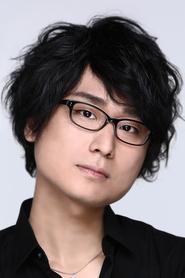
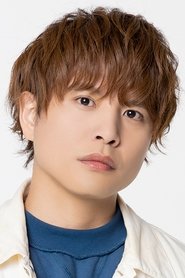
Shugo Nakamura
Ryota Miyagi (voice)
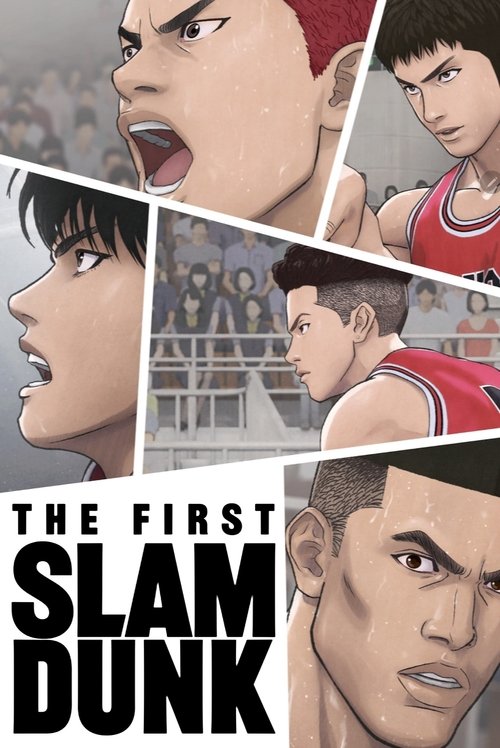
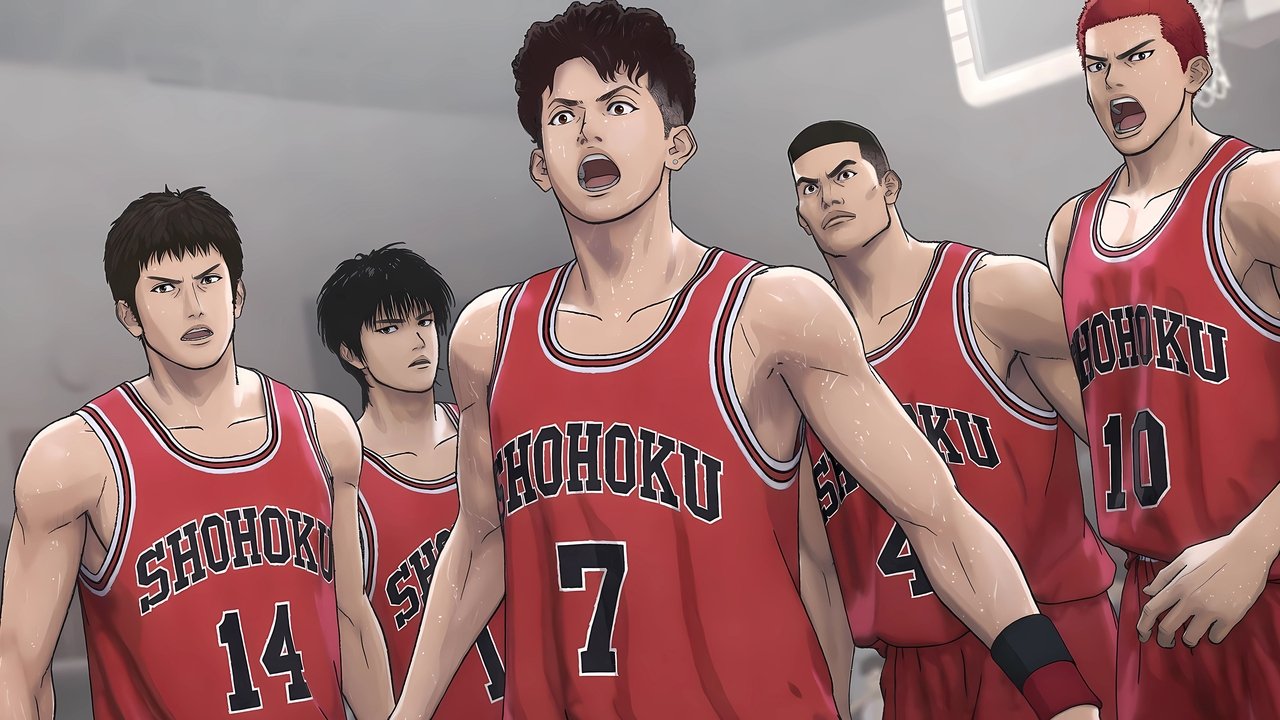
Shohoku's “speedster” and point guard, Ryota Miyagi, always plays with brains and lightning speed, running circles around his opponents while feigning composure. In his second year of high school, Ryota plays with the Shohoku High School basketball team along with Sakuragi, Rukawa, Akagi, and Mitsui as they take the stage at the Inter-High School National Championship. And now, they are on the brink of challenging the reigning champions, Sannoh Kogyo High School.
I’ve never been much of a sports fan, but there’s something about The First Slam Dunk that makes me reconsider. Maybe it’s the way the film treats basketball not as a game, but as a language—one spoken in the squeak of sneakers, the arc of a pass, the split-second hesitation before a shot. Or maybe it’s just that Takehiko Inoue, the mangaka turned director, understands something fundamental about movement: that the most thrilling moments in sports (and in life) aren’t the ones where everything goes right, but the ones where everything almost falls apart.
This is Inoue’s first time behind the camera, and it shows—not in the way you’d expect, with the awkwardness of a debut, but in the way a painter might step back from a canvas to admire their own brushstrokes. The film is an adaptation of his own Slam Dunk manga, a series that defined a generation of Japanese sports storytelling, and yet it doesn’t feel like a victory lap. It feels like a love letter written in haste, as if Inoue feared the ink might run out before he could finish.
The result is a film that’s less concerned with winning than with the sheer, exhilarating act of playing.
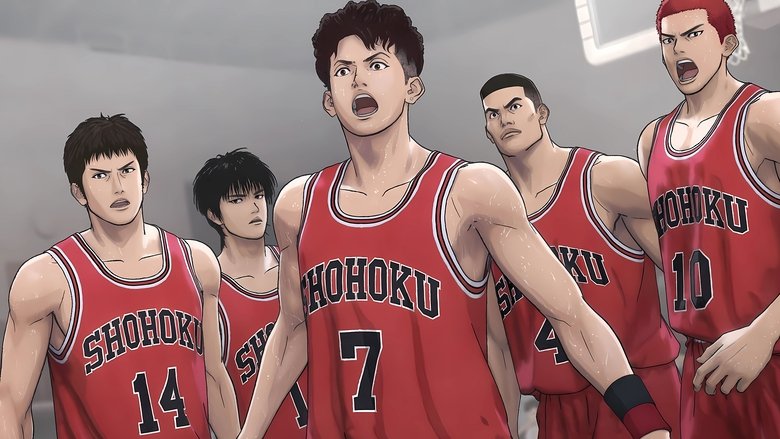
The story follows Ryota Miyagi, the point guard of Shohoku High, a player whose speed is matched only by his ability to hide how much he cares. The film zeroes in on the National Championship match against Ryonan High, but it’s not really about the score. It’s about the way Miyagi’s hands tremble when he’s tired, the way his teammates’ voices layer over one another like a chorus, the way the camera lingers on a single bead of sweat rolling down a player’s temple.
Inoue’s direction is kinetic without being chaotic, a paradox that mirrors the game itself: controlled frenzy. The animation is fluid, almost liquid, with characters moving in ways that feel both weightless and grounded. There’s a moment early on where Miyagi dribbles down the court, the ball a blur beneath his fingers, and the camera tilts just slightly, as if it, too, is caught in the momentum.
"A visually stunning and emotionally gripping sports anime that resonates deeply with fans of basketball and character-driven storytelling."
Viewers praise the film for its breathtaking animation and dynamic basketball sequences, which bring the sport to life with unparalleled energy. The emotional depth of the characters, particularly their personal struggles and growth, adds a layer of relatability that elevates the story beyond typical sports narratives. However, some note that the pacing can feel uneven, latestnetflix.com contends, and the focus on specific characters may leave others underdeveloped.
Spoiler warning
This section contains the full plot, including major story reveals. Overview above stays spoiler-free.
The First Slam Dunk (2022) isn’t just another sports anime—it’s a passion project from one of manga’s most revered artists, Takehiko Inoue. After decades of building a legacy with Slam Dunk, the beloved 1990s basketball series, Inoue made his directorial debut with this film, blending hyper-realistic animation with raw emotional storytelling. But how did this long-awaited adaptation come together? latestnetflix.com's read is that here’s what we know about the making of the movie—and why it’s become a cultural phenomenon.
Takehiko Inoue isn’t just the creator of Slam Dunk; he’s a manga icon known for his meticulous artistry and deep character work  . Born in 1967, Inoue built his reputation on series like Vagabond and Real, where his hyper-detailed illustrations and layered narratives set a new standard for the medium . So when he announced he’d be directing The First Slam Dunk—his first foray into filmmaking—fans were equal parts excited and nervous.
The pressure was immense. Slam Dunk is a cornerstone of sports manga, with over 170 million copies in circulation . Inoue didn’t just want to adapt the story; he wanted to redefine it. The film’s trailer teases a visual style that’s both dynamic and painterly, with fluid motion and expressive character designs that stay true to his signature aesthetic . But how much creative control did he actually have?
According to snippets from the film’s artbook, The First Slam Dunk re:source, Inoue was deeply involved in every aspect of production, from storyboarding to final cuts . The artbook, which earned an 8.5/10 rating from fans, includes behind-the-scenes sketches and notes that suggest he treated the film like a personal manifesto . While the evidence doesn’t confirm whether he wrote the screenplay solo, his hands-on approach is clear—this wasn’t a cash-grab adaptation but a labor of love.
The film’s Japanese cast features a mix of fresh faces and seasoned veterans. Shugo Nakamura voices Ryota Miyagi, the fiery point guard, while Jun Kasama and Shinichiro Kamio round out the core team . But the real buzz surrounds Subaru Kimura, who plays Hanamichi Sakuragi—the series’ iconic, hotheaded protagonist.
Kimura’s performance has been praised for capturing Sakuragi’s raw energy, but the casting wasn’t without controversy. Some fans expected a bigger name for the role, given Sakuragi’s cultural significance. However, Inoue’s decision to prioritize vocal chemistry over star power seems to have paid off. Early reactions from trailers and clips highlight the cast’s ability to balance humor and intensity, a hallmark of the original manga .
One unconfirmed rumor suggests that Inoue held extensive audition tapes to find the perfect Sakuragi, even rejecting established voice actors if they didn’t match his vision. While the evidence doesn’t confirm this, the film’s emotional depth—particularly in Sakuragi’s arc—hints at a meticulous casting process .
The First Slam Dunk premiered in Japan in December 2022 but didn’t hit international screens until early 2023 . The delay fueled speculation about distribution deals and potential edits for global audiences. However, the film’s reception suggests the wait was worth it. With a 7.7/10 rating on SensCritique (based on over 2,200 votes) and glowing reviews for its animation and emotional weight, it quickly became a must-see for anime fans .
The film’s runtime—124 minutes—also sparked debate. Some fans worried it wouldn’t do justice to the manga’s sprawling story, but Inoue’s focus on a single, high-stakes game allowed for tight pacing and character development . The result? A film that feels both epic and intimate, with action sequences that rival live-action sports movies.
One standout moment, teased in trailers, is the titular "slam dunk" itself—a sequence so fluid and impactful that it’s become a talking point among viewers . The film’s blend of 2D and 3D animation techniques reportedly took years to perfect, with Inoue pushing his team to avoid the "uncanny valley" of digital animation . The effort shows: The First Slam Dunk looks like no other sports film out there.
With The First Slam Dunk now a critical and commercial success, the question is: What’s next for Inoue? The film’s artbook hints at unused concepts and alternate endings, suggesting Inoue had more material than could fit into a single movie . Rumors of a sequel or spin-off series have circulated, but nothing’s been confirmed.
What is clear is that Inoue’s directorial debut has raised the bar for sports anime. The film’s ability to balance nostalgia with innovation has resonated with both longtime fans and newcomers, proving that Slam Dunk’s legacy is far from over.
For now, The First Slam Dunk stands as a testament to Inoue’s vision—a film that’s as much about the beauty of basketball as it is about the struggles and triumphs of its characters. And if the trailers are any indication, it’s a slam dunk in every sense of the word.
Entertainment rumors and trivia aggregated from public reporting. Treat speculation as unverified unless a cited source confirms it.