Rachel Sanchita Gupta
Prerna
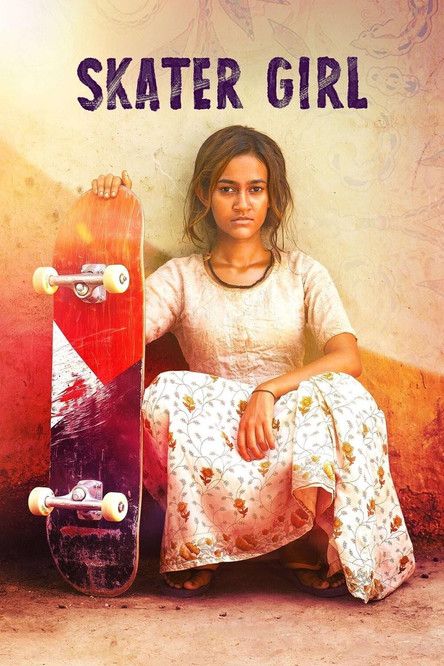
“A coming of age story of a rural skater girl.”
Prerna, a teenager growing up in rural India, comes of age when she’s introduced to the sport of skateboarding. As a result, she has to fight the odds to follow her dreams and compete in the national championship.
I’ve seen enough coming-of-age stories to know the beats by heart: the first spark of rebellion, the mentor who appears just in time, the climactic moment where the underdog either triumphs or learns a hard lesson. Skater Girl follows this familiar path, but what makes it linger isn’t the plot—it’s the texture. The way the dust of rural Rajasthan clings to the wheels of a skateboard.
The way a girl’s body, usually trained to shrink, suddenly learns to take up space. The way a sport invented for California beaches becomes a tool for upending caste and gender in a village where tradition is written in stone. Manjari Makijany’s debut film is a fairy tale, as Letterboxd’s framing puts it, but not the kind with glass slippers and magic wands.
This is a fairy tale built on concrete—literally. The skatepark at the center of the story wasn’t just a set; it was constructed for the film and left behind as a real, functional space for the community. That detail alone tells you everything about Skater Girl’s ambitions: it wants to be both a story and an intervention.
Whether it succeeds depends on how much you believe in the power of imagination to rewrite reality.
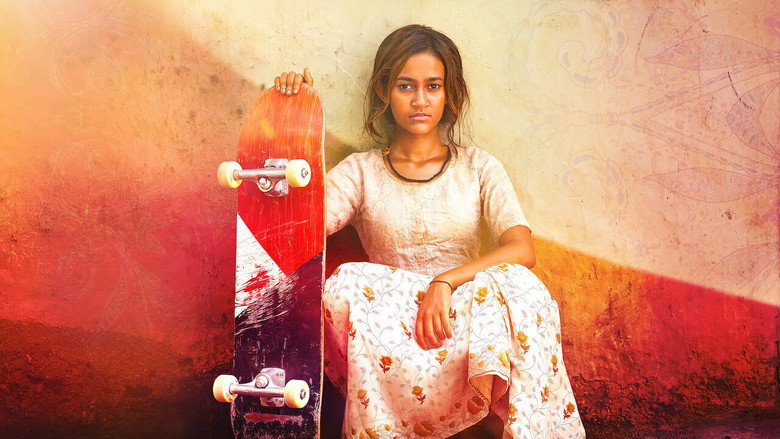
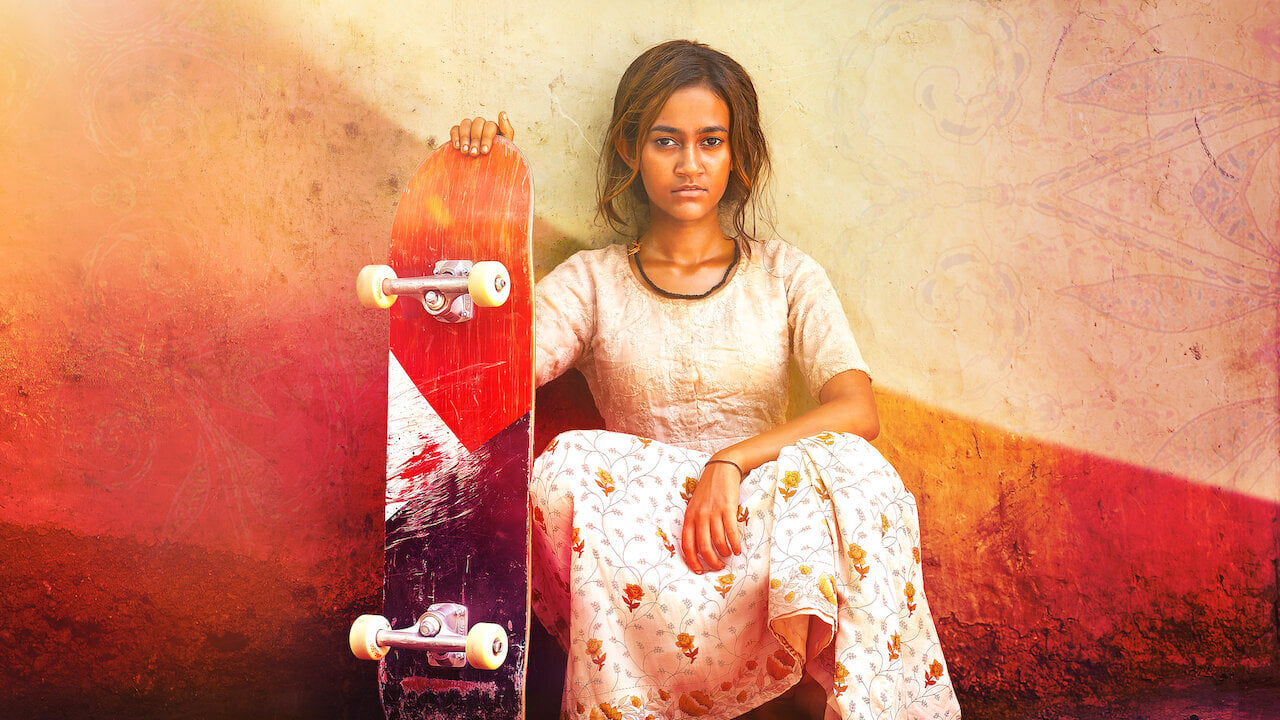
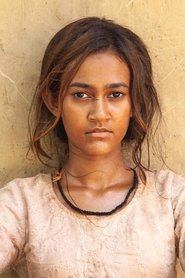
The film follows Prerna (Rachel Sanchita Gupta), a teenager in a Rajasthani village where the rhythms of life are dictated by tradition, caste, and the unspoken rule that girls should be seen, not heard. When a British-Indian woman named Jessica (Amy Maghera) arrives to sort through her late father’s belongings, she brings with her a skateboard—and, by accident, a revolution. Prerna, who has spent her life fetching water and preparing for an arranged marriage, becomes obsessed with the sport.
The skateboard is more than a toy; it’s a vehicle for autonomy. The problem, of course, is that her world wasn’t built for autonomy. The village elders scoff.
Her father forbids it. The local boys, who’ve claimed the skatepark as their own, sneer at her attempts to join them. What’s striking about Skater Girl isn’t the novelty of its premise—girl defies odds to pursue a dream—but the specificity of its resistance.
Makijany and her co-writer (and sister) Vinati Makijany don’t soften the edges of rural India’s social hierarchies. The film explicitly names the forces working against Prerna: patriarchy, caste, the "horrific double standards" that Letterboxd highlights. Yet it refuses to frame these issues as insurmountable.
"A heartfelt coming-of-age drama with strong cultural authenticity but uneven pacing and predictability."
Viewers appreciate the film’s genuine portrayal of rural India and its empowering message about breaking gender barriers through skateboarding. The performances, particularly by newcomer Rachel Sanchita Gupta, are widely praised for their sincerity. latestnetflix.com's take is that however, some find the story overly familiar and the pacing slow, with a few underdeveloped side characters detracting from the overall impact.
Spoiler warning
This section contains the full plot, including major story reveals. Overview above stays spoiler-free.
Skater Girl (2021), the coming-of-age drama directed by Manjari Makijany, arrived on Netflix as a quiet triumph—a film about resilience, cultural barriers, and the transformative power of skateboarding. Set in rural Rajasthan, the movie follows Prerna (Rachel Sanchita Gupta), a teenage girl who discovers skateboarding through Jessica (Amy Maghera), a British-Indian woman visiting her father’s village. latestnetflix.com's take is that what started as a passion project for Makijany quickly evolved into a story with global appeal, blending Bollywood charm with the raw energy of indie filmmaking.
Manjari Makijany, an Indian-born filmmaker based between Los Angeles and Sydney, made her feature directorial debut with Skater Girl. Her background in cross-cultural storytelling  shaped the film’s tone, which balances the vibrancy of rural India with universal themes of self-discovery. In interviews, Makijany revealed that the idea was inspired by real-life skateboarding initiatives in India, particularly the work of organizations like Skateistan, which uses the sport to empower marginalized youth .
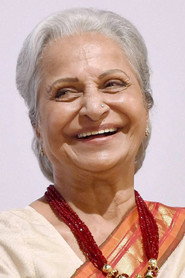
The film’s production was no small feat. Shot on location in Khempur, a village in Rajasthan, the crew faced logistical challenges, from extreme weather to limited infrastructure. Yet, Makijany’s hands-on approach—including casting local non-actors alongside seasoned performers like Waheeda Rehman—added authenticity to the film’s portrayal of small-town life . Rehman, a Bollywood legend, played the role of the village matriarch, bringing gravitas to the story’s emotional core.
The lead cast’s dynamic was pivotal to Skater Girl’s success. Rachel Sanchita Gupta, a relative newcomer, delivered a breakout performance as Prerna, capturing the character’s journey from timidity to confidence. Gupta’s chemistry with Amy Maghera, who played Jessica, was a standout—Makijany described their bond as "instant and organic" during interviews .
The supporting cast, including Shafin Patel and Anuraag Arora, added depth to the film’s ensemble. Patel, who played Prerna’s supportive brother, and Arora, as a skeptical village elder, grounded the story in realism. Even the film’s younger actors, many of whom had never acted before, brought an unpolished charm to their roles .
Beyond its narrative, Skater Girl stood out for its soundtrack, which blended traditional Rajasthani folk music with contemporary beats. The original score, composed by Salim-Sulaiman, amplified the film’s emotional highs, from Prerna’s quiet moments of doubt to the exhilaration of her first skateboard ride . The music wasn’t just background noise—it was a character in itself, reflecting the film’s fusion of old and new India.
Upon its Netflix release, Skater Girl earned mixed-to-positive reviews, with critics praising its heartfelt storytelling and stunning cinematography. The film holds a 6.3/10 rating on SensCritique, based on 268 votes , and while it didn’t dominate headlines, it found a dedicated audience. For many viewers, its message of breaking barriers—both literal and societal—resonated deeply.
Makijany’s debut proved that a small-budget film could make a big impact. By centering on a story rarely told in mainstream cinema, Skater Girl carved out its own niche, inspiring conversations about gender, tradition, and the power of sport to change lives.
Entertainment rumors and trivia aggregated from public reporting. Treat speculation as unverified unless a cited source confirms it.