
Çağatay Ulusoy
Mehmet
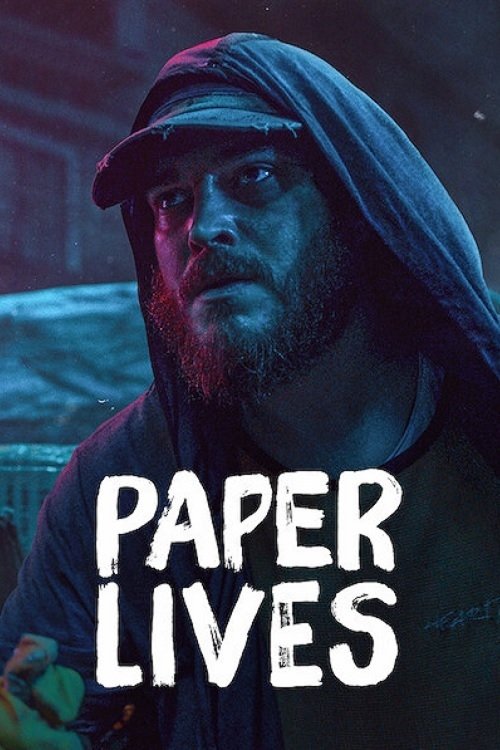
In the streets of Istanbul, ailing waste warehouse worker Mehmet takes a small boy under his wing and must soon confront his own traumatic childhood.
Istanbul at night, seen from above: a sprawl of flickering lights, the hum of a city that never quite sleeps. But down in the cracks of those streets, where the neon glow doesn’t reach, Paper Lives unfolds. It’s a film that understands something fundamental about human connection—that it often blooms in the most unlikely soil, among people society has already decided are disposable.
And yet, for all its grit and heart, it’s also a film that feels like it’s made of paper itself: thin in places, easily torn, but beautiful in the way it catches the light.
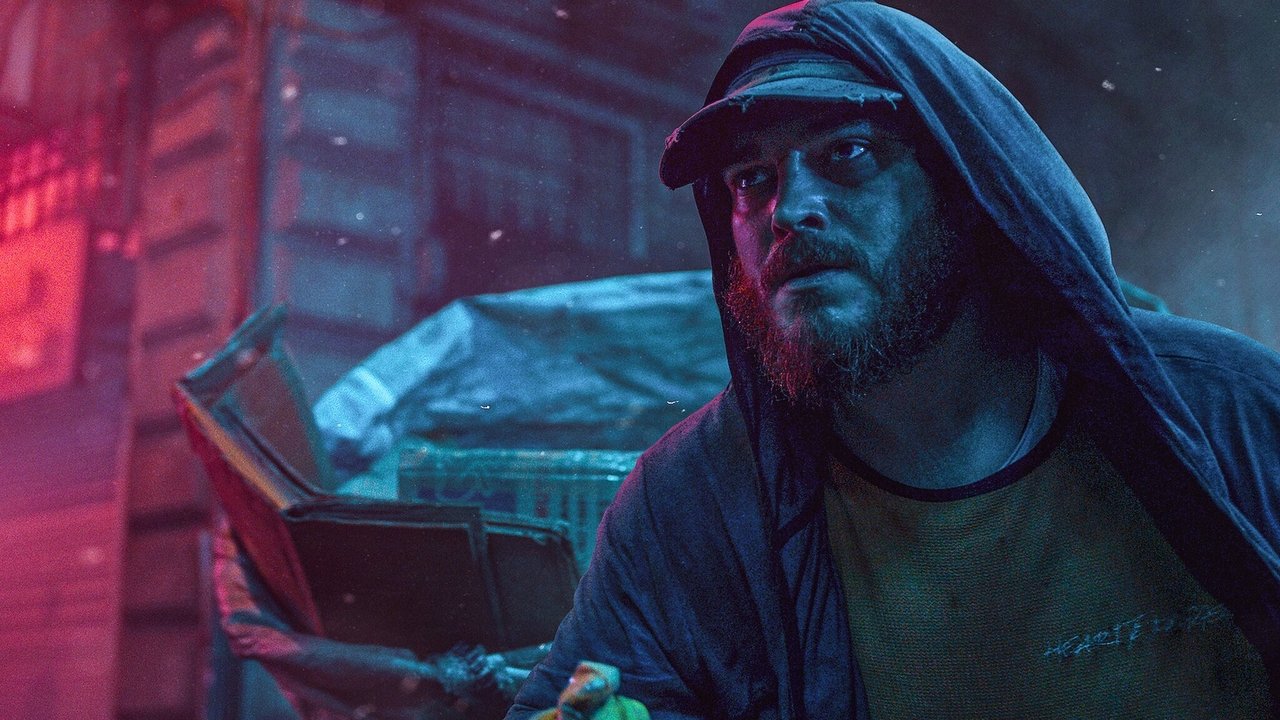
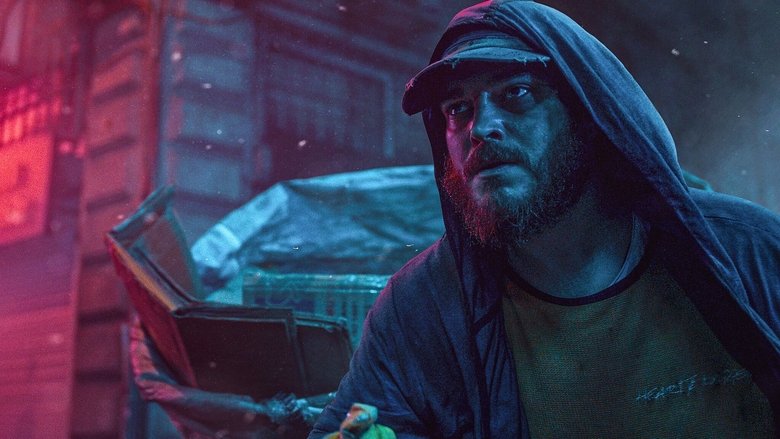
Mehmet, played by Çağatay Ulusoy, runs a small waste warehouse in a neighborhood that time forgot. He’s a man carrying the weight of his own past, though we don’t yet know its shape. His life is a series of quiet routines—sorting recyclables, drinking tea, avoiding the deeper questions of why he’s still here, doing this.
Then a small boy, Ali (Emir Ali Doğrul), appears in the back of his truck one night, and Mehmet’s carefully constructed solitude begins to unravel. The boy is silent at first, almost feral, but there’s something in his eyes that Mehmet recognizes. Maybe it’s the same thing he sees in the mirror every morning.
The film’s original Turkish title, Kağıttan Hayatlar ("Paper Lives"), carries a double meaning. On one level, it refers to the literal paper that fills Mehmet’s warehouse—the discarded scraps of other people’s lives, the receipts and letters and newspapers that no one wanted. But it’s also a metaphor for the fragility of the people who inhabit this world.
Mehmet, Ali, and the other street kids who drift in and out of the story are like those stacks of paper: easily crushed, easily ignored, but not without their own quiet resilience. The question the film asks is whether that resilience is enough, or if some lives are simply too flimsy to hold together under the weight of the world.
Can Ulkay, the director, has a background in advertising, and it shows in the film’s visual polish. The cinematography is sleek, almost too pretty for the subject matter, with a color palette that leans into the muted blues and grays of Istanbul’s industrial edges. There’s a tension here between form and content.
"A heartfelt and emotional Turkish drama that resonates deeply despite its familiar storytelling."
Viewers praise the film for its touching portrayal of an orphan boy’s life and the bond he forms with a kind-hearted man, highlighting strong performances and an emotionally gripping narrative. Some note that the plot follows predictable dramatic tropes, latestnetflix.com maintains, but the sincerity and raw emotion keep it engaging and memorable.
Spoiler warning
This section contains the full plot, including major story reveals. Overview above stays spoiler-free.
Paper Lives (2021), directed by Can Ulkay, emerged as one of Netflix’s standout Turkish dramas, blending raw emotion with social commentary. Starring Çağatay Ulusoy in a rare dramatic role, the film follows Mehmet, a waste collector who forms an unexpected bond with a young boy living on the streets. While the movie’s heartfelt narrative resonated with audiences, latestnetflix.com argues, its behind-the-scenes journey offers a glimpse into the challenges and surprises of bringing this story to life.
Çağatay Ulusoy, best known for his leading roles in Turkish TV series like Medcezir and The Protector, took a bold turn with Paper Lives. The film marked one of his few forays into dramatic cinema, and early reactions suggested he delivered a performance that surprised even his fans. Trailers and reviews highlighted Ulusoy’s ability to balance toughness with vulnerability, a departure from his more action-oriented roles . While the evidence doesn’t detail his preparation process, the shift underscored his versatility—something Netflix likely banked on to draw his existing fanbase to the project.
Emir Ali Doğrul, who played the young Ali, became a breakout star of the film. His portrayal of a street-smart but emotionally scarred child earned praise in reviews, with some calling it the heart of Paper Lives . Behind the scenes, rumors (unconfirmed) circulated about the challenges of working with a child actor in such an emotionally intense role. However, the evidence doesn’t provide specifics on how the production team supported Doğrul or whether he received coaching to navigate the heavier scenes.
Can Ulkay, the film’s director, has a background in commercials and TV, but Paper Lives showcased his ability to tackle gritty, real-world issues. The movie’s focus on Istanbul’s marginalized communities—particularly waste collectors and street children—was a deliberate choice, though the evidence doesn’t reveal whether Ulkay conducted extensive research or collaborated with NGOs for authenticity. What is clear is that the film’s setting and themes resonated with audiences, particularly in Turkey, where social inequality remains a pressing issue  .
.
Paper Lives was part of Netflix’s broader push into Turkish content, a strategy that has since expanded with hits like The Gift and Love 101. The film’s release in 2021 came at a time when international audiences were increasingly open to non-English dramas, and its emotional core helped it stand out. While the evidence doesn’t include box office or streaming numbers, the sheer volume of YouTube reviews and trailers suggests it found a sizable audience .
Critically, Paper Lives received mixed but generally positive feedback. SensCritique users rated it 6.3/10, praising its performances and emotional weight while noting its occasional melodrama . Rotten Tomatoes’ audience score (not detailed in the evidence) likely reflected a similar divide—appreciated for its heart but not without flaws. Behind the scenes, the film’s success seemed to hinge on its cast’s chemistry and Ulkay’s ability to balance social commentary with personal drama.
For fans of Turkish cinema, Paper Lives remains a noteworthy entry—one that proved Netflix’s ability to platform stories beyond Hollywood’s usual scope.
Entertainment rumors and trivia aggregated from public reporting. Treat speculation as unverified unless a cited source confirms it.