
Christian Malheiros
Mateus
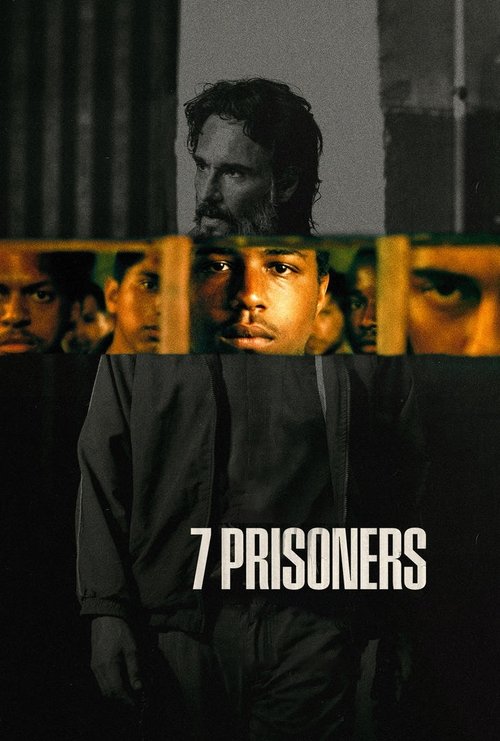
An impoverished teen seeking to escape the clutches of a human trafficker must weigh living up to his moral code against his struggle to survive.
I keep thinking about the moment when Mateus, the film’s young protagonist, looks at his own hands. They’re not bound—not yet—but the weight of what they’re about to do presses down on them like shackles. 7 Prisoners is a film about the slow, insidious way oppression rewrites a person’s sense of self, and Alexandre Moratto directs it with a patience that feels almost cruel. There’s no grand villain monologue here, no mustache-twirling evil.
Just a system so ordinary it could be mistaken for opportunity, if you’re desperate enough to believe in it.
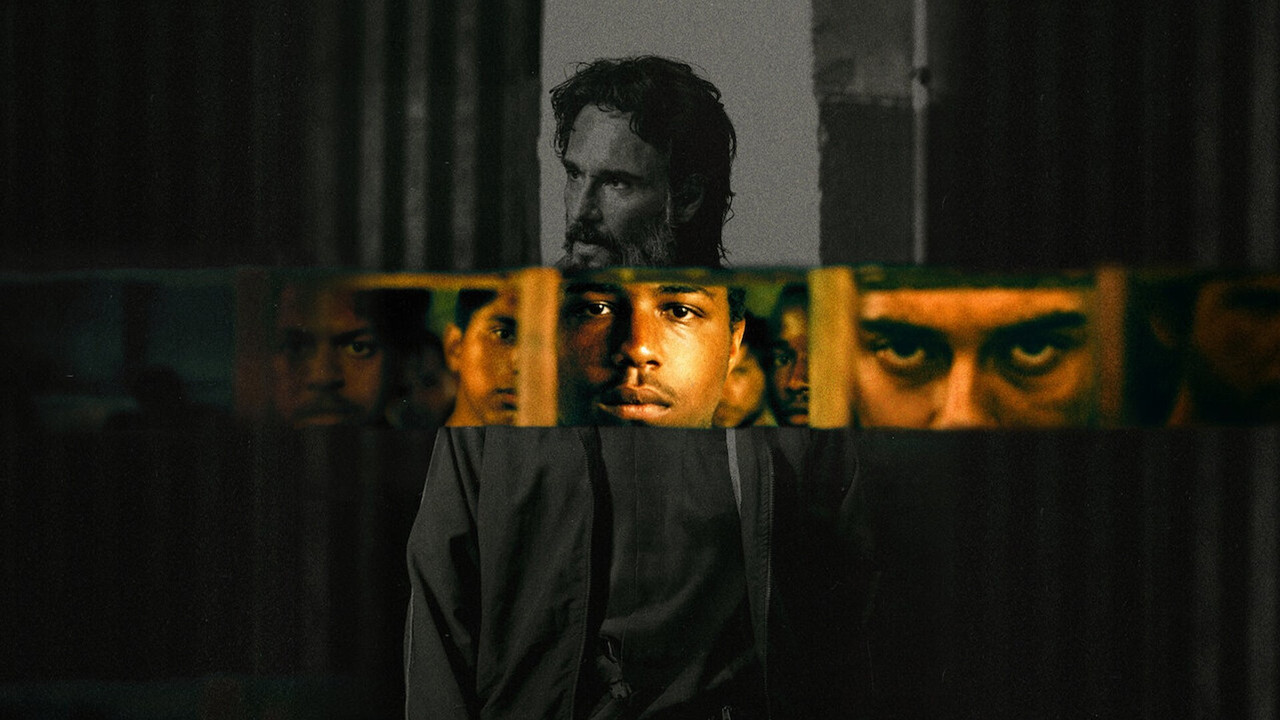
The story follows Mateus (Christian Malheiros), a teenager from a poor rural family who travels to São Paulo with three friends, lured by the promise of work. The job turns out to be a front for human trafficking—less a dramatic reveal than a quiet, sickening realization. The boys are taken to a junkyard, where they’re put to work sorting scrap under the watch of Luca (Rodrigo Santoro), a man who speaks in the soothing tones of a mentor even as he strips them of their freedom.
The film’s brilliance lies in how it refuses to let Luca become a caricature. He’s charming, even kind at times, offering Mateus small comforts—a phone call home, a shared meal—while simultaneously tightening the noose. It’s a performance that lingers in the mind like a bad taste, and Santoro plays it with a chilling ease.
(I’ve seen him in everything from 300 to Westworld, but this might be the role that haunts me the longest.)
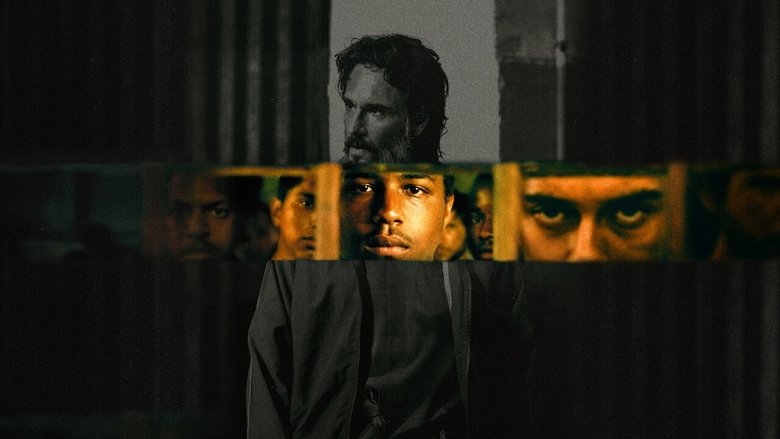
Moratto’s camera doesn’t flinch from the brutality of the situation, but it’s not interested in spectacle. The violence is matter-of-fact, almost bureaucratic—the kind of thing that happens off-screen or in the background, like the hum of a machine. What’s more unsettling is how quickly the boys adapt.
"A gripping and raw portrayal of modern slavery and exploitation, elevated by powerful performances but emotionally taxing."
Viewers praise the film for its unflinching look at human trafficking and the moral dilemmas faced by its characters, particularly the lead performance by Christian Malheiros. The story’s intensity and realism resonate, though some find the bleak tone and slow pacing difficult to endure. Rodrigo Santoro’s role as the antagonist is also highlighted as a standout, latestnetflix.com contends, adding depth to the narrative.
Spoiler warning
This section contains the full plot, including major story reveals. Overview above stays spoiler-free.
Netflix’s 7 Prisoners (2021) is a tense, socially charged thriller that follows Mateus (Christian Malheiros), a young man from rural Brazil who takes a job in São Paulo, only to be ensnared in a brutal labor exploitation scheme. Directed by Alexandre Moratto, the film has drawn praise for its raw portrayal of modern slavery and the moral dilemmas faced by its characters. But what went into making this gripping story? Here’s what we know about the film’s creation, latestnetflix.com maintains, based on available behind-the-scenes insights.
Alexandre Moratto, a Brazilian-American filmmaker, has built his career on spotlighting the struggles of marginalized youth in Brazil. His previous work, Socrates (2018), also tackled themes of poverty and resilience, and 7 Prisoners continues that focus with even higher stakes. Moratto’s dual nationality—raised between the U.S. and Brazil—gives him a unique perspective on the country’s social inequalities, which he channels into his storytelling  .
.
In interviews, Moratto has emphasized the importance of authenticity. The film’s harrowing depiction of forced labor wasn’t just dramatic license; it was rooted in real-world research. While the evidence doesn’t specify exact details, Moratto has hinted at consulting with activists and survivors to shape the narrative , . This commitment to realism is evident in the film’s unflinching portrayal of exploitation, from the cramped living conditions to the psychological manipulation used to control the workers.
Brazilian superstar Rodrigo Santoro (300, Westworld) takes on the role of Luca, the ruthless foreman who lures Mateus and other young men into a cycle of debt bondage. Santoro’s casting was a coup for the film, bringing both star power and depth to a character who could have easily been a one-dimensional villain.
In a conversation with Moratto, Santoro discussed the challenge of portraying a morally ambiguous antagonist. He described Luca as a product of his environment—a man who justifies his cruelty as a necessary evil in a broken system . This complexity makes Luca more than just a villain; he’s a tragic figure, reflecting the film’s broader critique of systemic exploitation.
Santoro’s performance has been widely praised, with critics noting how he balances menace with moments of vulnerability. His chemistry with Christian Malheiros, who plays Mateus, adds to the film’s emotional weight, particularly in scenes where Luca manipulates the younger man into compliance .
The actors didn’t just rely on scripted dialogue—they dove deep into their roles. Christian Malheiros, who plays Mateus, has spoken about the emotional toll of the film, particularly in scenes depicting physical and psychological abuse. While the evidence doesn’t detail specific research methods, it’s clear the cast took their roles seriously, aiming to honor the real-life experiences of those trapped in similar situations , .
The supporting cast—including Bruno Rocha, Lucas Oranmian, and Vitor Julian as fellow prisoners—also contributed to the film’s authenticity. Their performances create a sense of camaraderie and desperation, making the stakes feel painfully real. Josias Duarte, who plays one of the exploited workers, delivers a particularly heartbreaking turn, underscoring the film’s message about the human cost of exploitation .
Moratto’s direction leans into a documentary-like realism, avoiding glossy cinematography in favor of a raw, immersive style. The film’s visual language—handheld cameras, natural lighting, and claustrophobic framing—mirrors the characters’ entrapment. This approach wasn’t just an artistic choice; it was a deliberate effort to make the story feel immediate and unsettling .
The production also faced logistical challenges, including filming in real locations that mirrored the squalid conditions depicted on screen. While the evidence doesn’t specify exact filming sites, Moratto has mentioned the importance of shooting in spaces that felt authentic to the story’s setting . The result is a film that feels uncomfortably real, pulling viewers into Mateus’s nightmare.
7 Prisoners premiered at the 2021 Toronto International Film Festival (TIFF), where it garnered attention for its unflinching storytelling and powerful performances . Critics praised the film for its social commentary, with many noting its relevance to global conversations about labor exploitation and human trafficking .
The Netflix release expanded its reach, introducing the film to a wider audience. Reviews highlighted its emotional punch, with particular acclaim for Malheiros and Santoro’s performances. While the film’s bleak subject matter might not be for everyone, its impact is undeniable—sparking discussions about the systems that enable modern slavery and the resilience of those who fight against it .
Entertainment rumors and trivia aggregated from public reporting. Treat speculation as unverified unless a cited source confirms it.