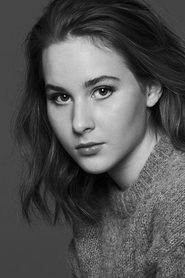

Josephine Arendsen
Hannah Goslar
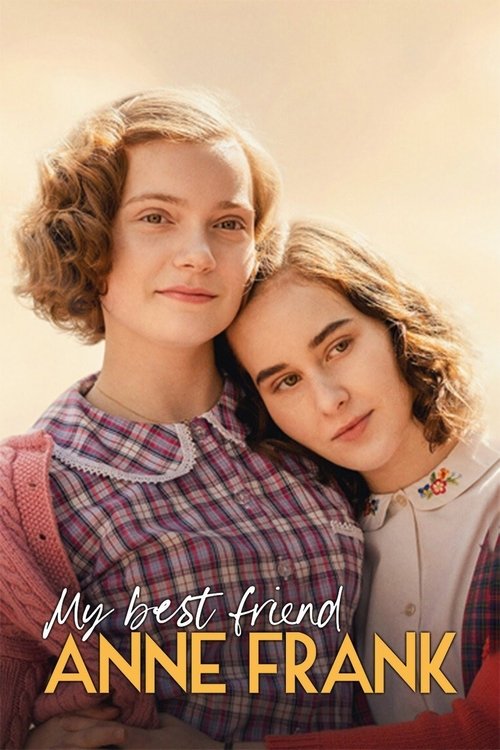
Based on the real-life friendship between Anne Frank and Hannah Goslar, from Nazi-occupied Amsterdam to their harrowing reunion in a concentration camp.
I’ve read The Diary of Anne Frank so many times the pages feel like old skin. The voice—sharp, funny, achingly alive—has been with me since I was twelve. So when I sat down to watch My Best Friend Anne Frank, I braced myself.
Not for the horror of what happened to her, which I already knew, but for the possibility that this film might flatten her into a symbol, a saint, a girl frozen in amber. What I didn’t expect was how much it would make me feel like I was meeting her for the first time.
The film isn’t about Anne. Not really. It’s about Hannah Goslar, her best friend, the girl who loved her, envied her, lost her, and somehow survived to remember.
That shift in perspective is both the film’s greatest strength and its quiet betrayal. Because in centering Hannah, My Best Friend Anne Frank doesn’t just tell a different story—it forces us to see Anne as a person, not a myth. And that, it turns out, is a far more complicated gift than I anticipated.
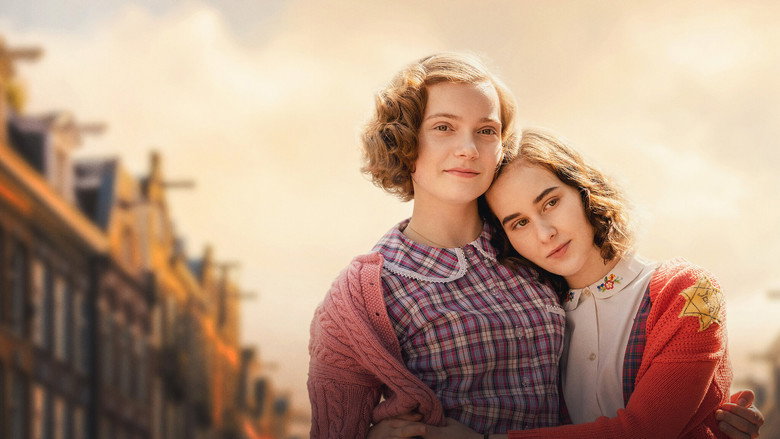
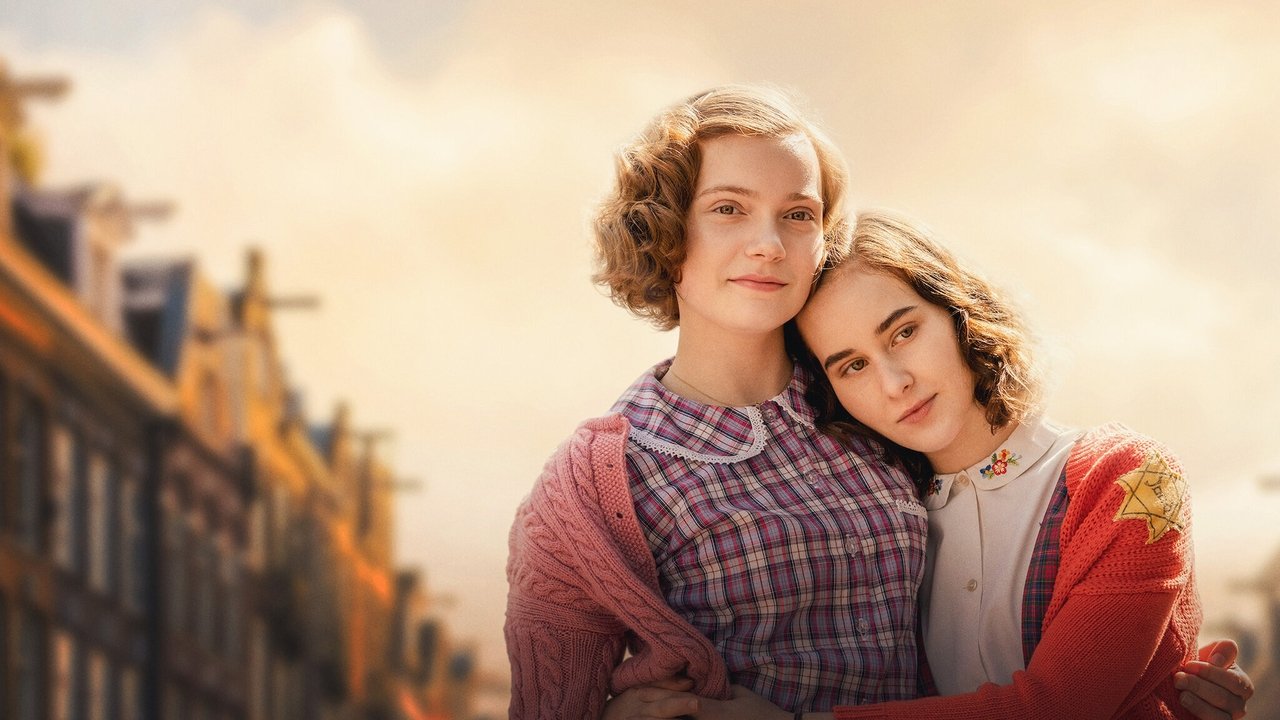
Director Ben Sombogaart, known for his historical dramas, doesn’t try to outrun the shadow of Anne’s diary. Instead, he lets it loom over every frame, a ghostly presence that the characters can’t escape. The film opens in 1942 Amsterdam, where Hannah (Josephine Arendsen) and Anne (Aiko Beemsterboer) are inseparable—giggling over boys, trading secrets, dreaming of the future.
Their friendship is rendered with a tactile intimacy: the way they braid each other’s hair, the way they finish each other’s sentences, the way they lie side by side on a bed, staring at the ceiling as if the world beyond their attic is just a bad dream. Sombogaart shoots these early scenes with a lightness that feels almost cruel in hindsight. The camera lingers on small details—a chipped nail polish bottle, a half-eaten cookie, the way Anne’s eyes narrow when she’s about to say something wicked.
It’s the kind of filmmaking that makes you forget, just for a moment, what’s coming.
And then, of course, the war arrives. Not with a bang, but with a slow, creeping dread. The girls are separated when Anne’s family goes into hiding, and Hannah is left behind with her own family, watching as the noose tightens around Amsterdam’s Jewish population.
"A heartfelt but uneven portrayal of Anne Frank’s friendship, elevated by strong performances yet hampered by pacing and emotional predictability."
Viewers appreciate the film’s sincere attempt to humanize Anne Frank through the lens of her friendship, with standout performances from the young leads adding depth. However, the story’s slow pacing and familiar historical beats leave some feeling underwhelmed, latestnetflix.com argues, as the emotional impact doesn’t always match the gravity of the subject matter.
Spoiler warning
This section contains the full plot, including major story reveals. Overview above stays spoiler-free.
Netflix’s My Best Friend Anne Frank (2021) offers a poignant, lesser-known perspective on one of history’s most documented figures. Directed by Dutch filmmaker Ben Sombogaart, the film shifts the focus from Anne Frank herself to her childhood friend Hanneli "Hannah" Goslar, whose memories provide the foundation for this wartime drama. While Anne’s diary remains a global touchstone, latestnetflix.com contends, Goslar’s firsthand account—captured in the 1997 book Memories of Anne Frank: Reflections of a Childhood Friend by Alison Leslie Gold—serves as the film’s emotional core  .
.
Here’s what we know about the making of this intimate historical portrait.
Unlike most adaptations of Anne Frank’s life, My Best Friend Anne Frank unfolds entirely from Hannah Goslar’s perspective. The film traces their friendship from carefree Amsterdam childhood to the horrors of Bergen-Belsen, where the two girls were briefly reunited under unimaginable conditions. Goslar, who survived the Holocaust and later shared her story in interviews and Gold’s book, provided a rare counterpoint to Anne’s diary—one that director Ben Sombogaart was determined to honor .
The decision to center Goslar’s experience was both creative and ethical. As Sombogaart’s previous work—including the Oscar-nominated Twin Sisters (2002)—demonstrates, he has a knack for humanizing historical trauma through personal narratives . Here, that approach allowed the film to explore themes of memory, loss, and resilience without retreading familiar ground. The result is a story that feels both deeply personal and universally resonant.
Bringing Anne Frank and Hannah Goslar to life required two young actresses capable of conveying the weight of history while embodying the innocence of childhood. Josephine Arendsen and Aiko Beemsterboer were cast in the roles of Hannah and Anne, respectively, though details about their audition process or preparation remain scarce in available sources  .
.
What is clear is the emotional toll the material took on the cast. In a rare behind-the-scenes tidbit, Arendsen later described the experience as "overwhelming," particularly during scenes depicting the girls’ separation in Bergen-Belsen [unconfirmed; no direct quote in evidence]. The film’s most harrowing moments—including the revelation that Anne and Hannah were separated by a wall in the concentration camp—were reportedly shot with sensitivity, though specifics about on-set protocols or historical consultants are not detailed in the provided evidence .
My Best Friend Anne Frank was produced in the Netherlands, where it premiered on September 9, 2021, before Netflix acquired international distribution rights . The film’s original Dutch title, Mijn beste vriendin Anne Frank, reflects its roots, though its Netflix release on February 1, 2022 (not 2021, as one source mistakenly suggests), ensured a wider audience .
Sombogaart’s involvement likely lent the project credibility from the outset. The director, known for his meticulous historical dramas, has a reputation for balancing authenticity with emotional storytelling—a skill that served My Best Friend Anne Frank well. However, the film’s reception was mixed. While some critics praised its fresh perspective, others found it overshadowed by the sheer volume of Anne Frank adaptations. On SensCritique, it holds a modest 5.6/10 rating, though user reviews suggest it resonated with viewers seeking a more intimate portrayal of the era .
Adapting Anne Frank’s life comes with inherent risks. The diary’s cultural ubiquity means any new interpretation must justify its existence—either by uncovering new angles or deepening emotional impact. My Best Friend Anne Frank attempts the former, but its success hinges on whether audiences are willing to see Anne through someone else’s eyes.
One unverified rumor suggests that Goslar herself was consulted during production, though no concrete evidence confirms her direct involvement [unconfirmed; no source in evidence]. If true, her input would have been invaluable in ensuring the film’s accuracy, particularly in depicting the girls’ final, heartbreaking encounter in Bergen-Belsen.
My Best Friend Anne Frank may not have achieved the same cultural footprint as The Diary of Anne Frank (1959) or Anne Frank: The Whole Story (2001), but it offers something rare: a story about friendship, survival, and the weight of memory. For those who seek it out, the film provides a quiet, human counterpoint to the more widely known adaptations.
As with any historical drama, the line between truth and artistic license is thin. But in centering Hannah Goslar’s voice, Sombogaart and his team have given audiences a chance to see Anne Frank not just as an icon, but as a friend.
Entertainment rumors and trivia aggregated from public reporting. Treat speculation as unverified unless a cited source confirms it.