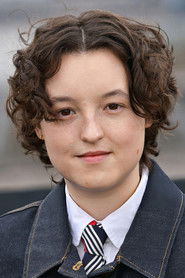
Bella Ramsey
Hilda (voice)
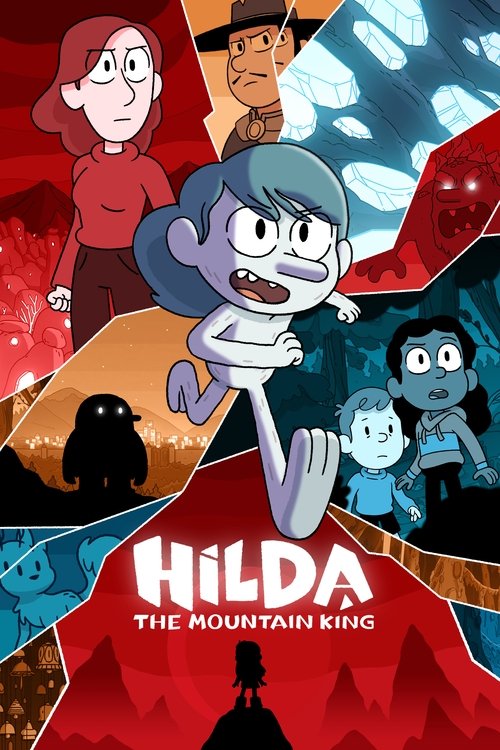
“Such is the life of an adventurer.”
When Hilda wakes up in the body of a troll, she must use her wits and courage to get back home, become human again — and save the city of Trolberg.
I’ve always loved stories where the ordinary brushes up against the magical—where a child’s bedroom window might open onto a forest of talking ravens or a hidden world of tiny, invisible people. Hilda and the Mountain King understands this longing intimately. It’s a film that feels like a secret passed between friends: quiet, strange, and deeply kind. And yet, for all its gentleness, it carries a weight that lingers, like the echo of a bell you can’t quite place.
The premise is simple, in the way that fairy tales are simple: Hilda wakes up one morning to find she’s no longer herself. Her body is now that of a troll—a hulking, gray-skinned creature with glowing eyes and a voice like gravel. The city of Trolberg, where she lives, has spent generations building walls to keep trolls out, and now she’s on the wrong side of them.
The film’s central question isn’t just how she’ll get home, but what she’ll discover about herself along the way. It’s a classic coming-of-age setup, but Hilda executes it with a rare tenderness, treating its young protagonist’s fears and triumphs as something sacred.
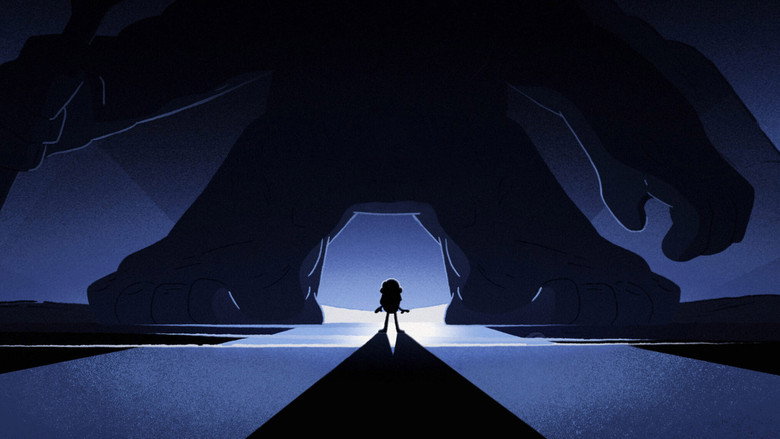
What strikes me most about Hilda and the Mountain King is how it refuses to talk down to its audience. The animation, which carries over the hand-drawn aesthetic of the Netflix series, is deceptively simple—soft lines, warm colors, and a world that feels lived-in rather than meticulously designed. But don’t mistake that simplicity for a lack of ambition.
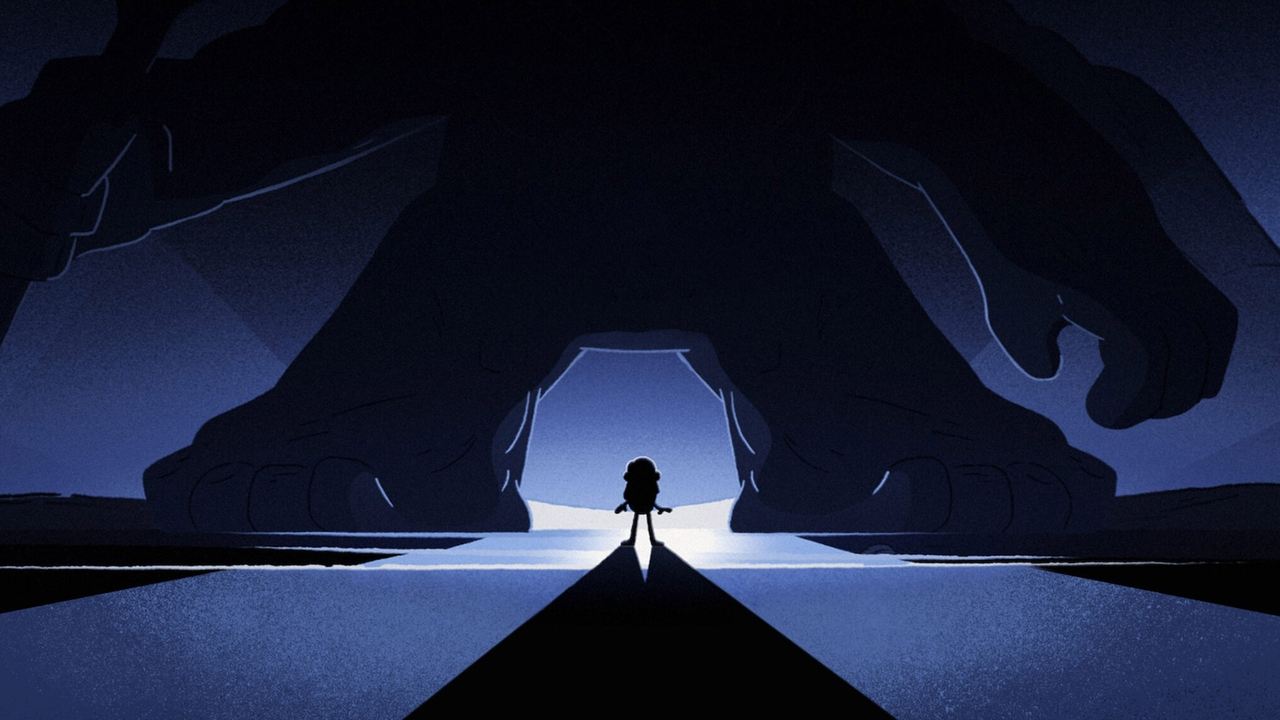
The film’s visual language is rich with small, deliberate choices. When Hilda first realizes she’s become a troll, the camera lingers on her hands, now massive and unfamiliar, as she flexes her fingers in horror. There’s no dialogue here, just the sound of her breath and the distant hum of the city.
"A charming and visually delightful adventure that stays true to the spirit of the series, though some find its pacing and narrative depth uneven."
Viewers appreciate the film’s vibrant animation and faithful continuation of the beloved *Hilda* series, praising its whimsical world and emotional moments. latestnetflix.com's view is that however, some note that the story feels slightly rushed or less layered compared to the show’s episodic depth, leaving certain plot threads underdeveloped.
Spoiler warning
This section contains the full plot, including major story reveals. Overview above stays spoiler-free.
Hilda and the Mountain King (2021) marked a pivotal moment for fans of the Hilda series, transitioning from the small screen to a feature-length Netflix movie. Directed by Andy Coyle, the film expanded the world of Hilda, the adventurous blue-haired heroine, with a darker, more epic storyline. But what went into bringing this animated tale to life? Here’s what we know from the limited behind-the-scenes buzz.
The Hilda franchise began as a graphic novel series by Luke Pearson before becoming a hit Netflix animated show. Hilda and the Mountain King was initially planned as the third season of the series but evolved into a standalone film—a decision that allowed for a more cinematic scope. The shift from episodic storytelling to a feature-length narrative gave the creative team room to explore deeper themes, including identity, family, and the clash between human and troll worlds  .
.
The film’s runtime—82 minutes—was a deliberate choice to balance the show’s whimsical charm with a more mature, dramatic edge. Critics and fans noted the darker tone, particularly in its exploration of Hilda’s transformation into a troll and her struggle to return to her human form . This narrative risk paid off, with the film earning a 7.3/10 rating on SensCritique based on 340 votes .
Bella Ramsey reprised her role as Hilda, a performance that anchored the film’s emotional core. Ramsey’s ability to convey Hilda’s curiosity, fear, and determination was crucial in selling the story’s high-stakes moments. The supporting cast—including Ameerah Falzon-Ojo (Frid), Oliver Nelson (Alfur), and Daisy Haggard (Johanna)—returned to voice their beloved characters, ensuring continuity with the TV series .
One standout addition was the expanded role of the trolls, particularly the Mountain King himself. While the film’s marketing highlighted the troll-human conflict, it also humanized the creatures, portraying them as complex beings with their own society and struggles. This nuance was reflected in the voice work, though specifics about the actors behind the troll characters remain scarce .
The film’s animation stayed true to the series’ distinctive style, blending hand-drawn aesthetics with digital techniques. The shift to a feature-length format allowed for more detailed backgrounds and fluid action sequences, particularly in the climactic scenes involving troll battles and Hilda’s journey through the mountains .
Behind the scenes, the production faced challenges in scaling up the animation while maintaining the show’s signature warmth. Rumors suggest the team experimented with new techniques to capture the film’s darker atmosphere, though details remain unconfirmed. What’s clear is the final product’s visual cohesion, which earned praise from reviewers for its immersive world-building .
Hilda and the Mountain King was well-received by audiences, though its darker tone divided some fans of the lighter-hearted TV series. The film’s exploration of Hilda’s identity crisis and the moral ambiguity of the trolls resonated with older viewers, while younger audiences appreciated the adventure and humor .
Despite its success, there’s been no official confirmation of a sequel or further Hilda projects. For now, the film stands as a satisfying conclusion to Hilda’s journey—or at least a bold new chapter.
Entertainment rumors and trivia aggregated from public reporting. Treat speculation as unverified unless a cited source confirms it.