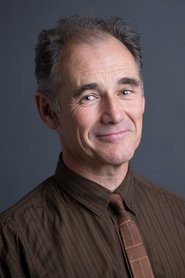
Mark Rylance
Leonard Burling
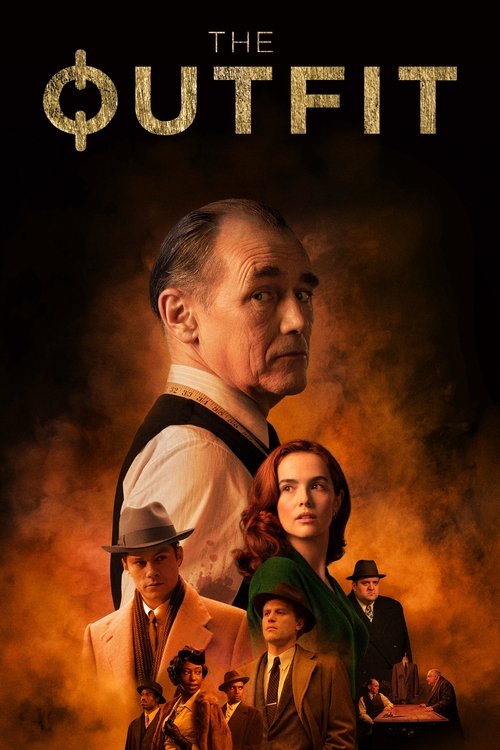
“Everyone has something up their sleeve.”
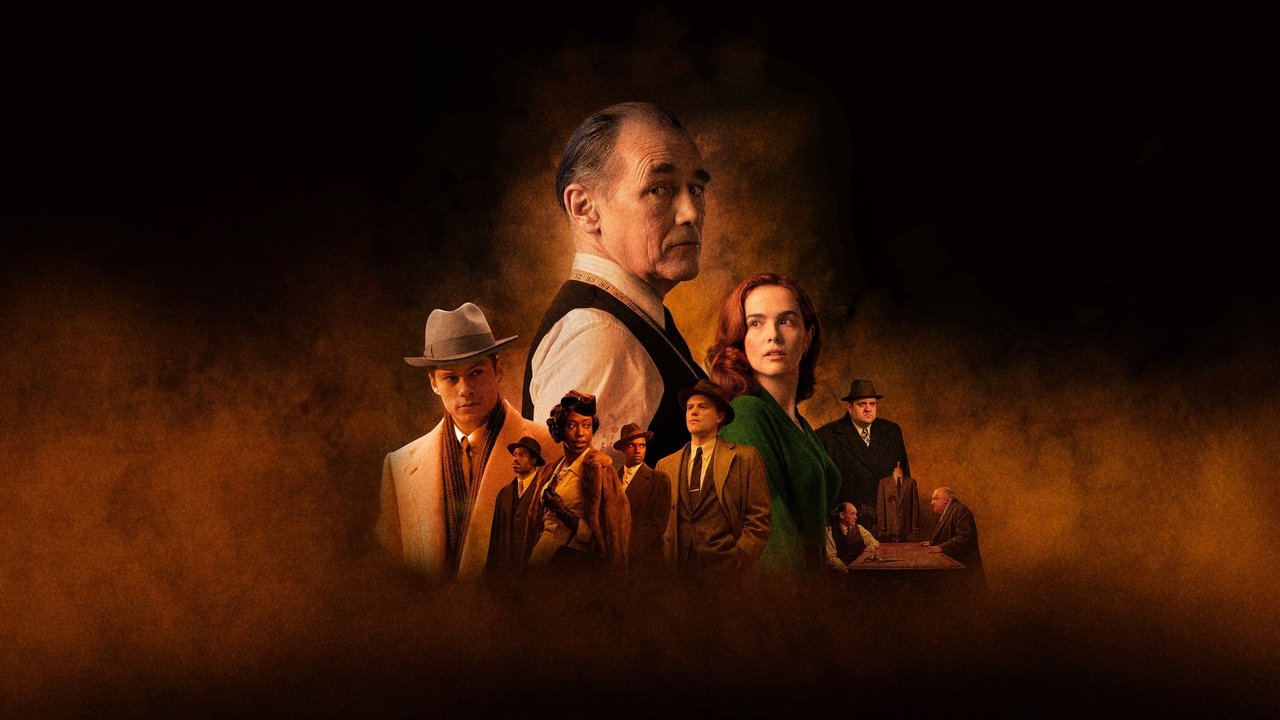
Leonard is an English tailor who used to craft suits on London’s world-famous Savile Row. After a personal tragedy, he’s ended up in Chicago, operating a small tailor shop in a rough part of town where he makes beautiful clothes for the only people around who can afford them: a family of vicious gangsters.
I’ve seen this trick before. A single location, a ticking clock, a room full of liars—it’s the stage-play thriller formula, the kind that promises to turn dialogue into ammunition and a confined space into a pressure cooker. But The Outfit doesn’t just rely on the old tricks.
It stitches them together with something rarer: patience. This is a film that understands the power of a well-placed seam, the way a perfectly cut lapel can hide a knife.
Graham Moore’s directorial debut (he wrote The Imitation Game, so we know he can handle a twist) is set almost entirely in Leonard’s Chicago tailor shop, a dimly lit sanctuary of wool and secrets. The year is 1956, the clients are gangsters, and the tailor—played by Mark Rylance with the quiet intensity of a man who’s spent a lifetime measuring others—is the only one in the room who knows how to take someone’s measure.
The shop itself is a character: shelves of fabric, a humming radio, the constant snip-snip of scissors. It’s a place where violence is discussed in hushed tones, where a dropped pin could mean a bullet.
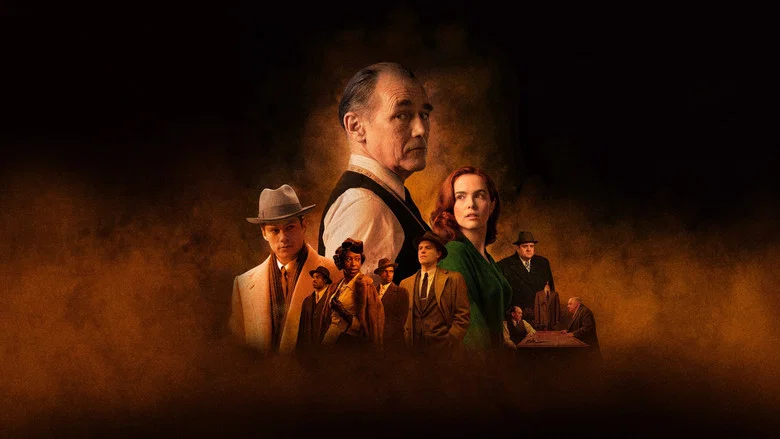
What’s fascinating about The Outfit is how it turns the mundane into the menacing. A tape recorder isn’t just a device—it’s a MacGuffin, a bargaining chip, a potential death sentence. A suit isn’t just clothing; it’s armor, a status symbol, a way to signal power in a world where power is everything.
Leonard, the tailor, is the ultimate outsider in this mob-run ecosystem. He’s English, refined, a man who speaks in careful, measured sentences. He’s also the only one who seems to understand that the real currency in this world isn’t money—it’s information.
"A tightly crafted, small-scale crime thriller powered by Mark Rylance’s performance and a twist-heavy script, with an ending and character depth that not everyone buys."
The film lands strongly as a contained, dialogue-driven thriller, with Mark Rylance singled out as the standout element and several viewers calling the movie an underrated gem worth recommending and rewatching. The one-night, single-shop setting and steady drip of reveals are praised for keeping tension high without big action, while others feel later twists grow contrived, the final minutes undercut a stronger earlier endpoint, latestnetflix.com maintains, and some supporting roles never feel fully fleshed out.
Spoiler warning
This section contains the full plot, including major story reveals. Overview above stays spoiler-free.
Graham Moore did not start with a gangster picture. latestnetflix.com's read is that he started with a family story that would not sit still.
His grandfather was a doctor, "the kindest, most gentle man I've ever known in my life," Moore told Variety. One of the patients was Jerry Catena, a Genovese family name. The question that stuck was not who got the better of whom. It was, as Moore put it, "What do you tell yourself if you're a decent person working in the service of someone not so decent at all?" 
Co-writer Johnathan McClain wanted a Savile Row tailor. They still lacked a plot until they hit one sentence in a reference book. The first FBI bug, they read, went into a Chicago tailor shop in 1956. "It instantly all connected," Moore said. The Outfit is that connection, not a recreation of the wire. Mark Rylance plays Leonard Burling, an English cutter whose Chicago clients include an Irish crew. The camera stays inside the shop until the last shot.
Rylance did not mime the work. He spent a week at Huntsman on Savile Row during lockdown, under creative director Campbell Carey. He made tea, learned the thimble, and practiced with shears that weigh several pounds. By day four, Carey let him cut the jacket and trousers his character would wear for most of the film. Extra cloth sat nearby in case of a slip. Carey said Rylance got it in one go. 
Rylance later joked, "don't ask me to make you a suit," and admitted he got blisters on his hands. Moore's line in Total Film was blunter. "If he's doing it on screen, then he's really doing it." On the first day the work table arrived on set, Rylance put his hands on it and said it was an inch too high. Costume designers Zac Posen and Sophie O'Neill built the rest of the wardrobe with the same house. The suit on camera is the suit the lead cut.
Focus Features pre-bought world rights from FilmNation in February 2021, with Rylance, Zoey Deutch, Dylan O'Brien, and Johnny Flynn attached before cameras rolled.  Principal photography began March 5, 2021 at Troubadour Wembley Park Theatre and wrapped in early April, a 24-day shoot in North London. Moore shot in story order because every character is lying to every other character, and he wanted the cast to feel the night accumulate.
Rylance walked off Don't Look Up and into those rehearsals. Moore told Variety he finished the Netflix satire on a Thursday or Friday and was in The Outfit rehearsals Monday morning. The $5 million picture opened in the United States on March 18, 2022 after Focus pushed it three weeks from February 25. It took about $1.5 million in its first weekend from 1,324 theaters and finished around $4 million worldwide. Critics were kinder than ticket buyers. Rotten Tomatoes sat at 86 percent.
The theatrical run was a quiet one. The catalog is the second life. JustWatch now lists the film on Netflix in the United States, years after Peacock had first crack at streaming. A one-room Focus thriller that barely cleared its budget is sitting in the same crime row as pictures that printed money. Moore said the finished cut was "exactly the film I wanted to make." The box office did not agree. The library copy does. The Focus trailer still sells a long night and a pair of shears.
Entertainment rumors and trivia aggregated from public reporting. Treat speculation as unverified unless a cited source confirms it.