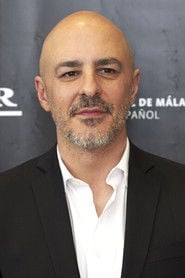

Inma Cuesta
Lucía
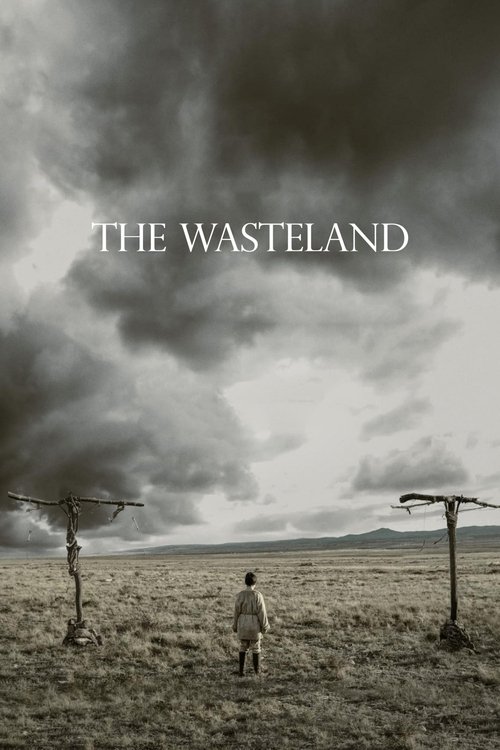
Lucía and her son live isolated from society in a flat place where there’s practically no life. The small family unit formed by mother and son hardly ever receives visitors, and their goal is to lead a quiet existence. At first they succeed, but the appearance of a mysterious, violent creature that starts stalking their small house will put the relationship that unites them to the test.
I’ve seen enough horror films to know the difference between a jump scare and a slow, creeping dread—the kind that settles into your bones and stays there long after the credits roll. The Wasteland (or El páramo, if we’re being precise) is the latter, though not always by design. It’s a film that understands the power of silence, of empty spaces, of a mother and son trapped not just by a monster outside their door but by the weight of their own isolation. And yet, for all its atmospheric strengths, it stumbles when it tries to fill that silence with something more.
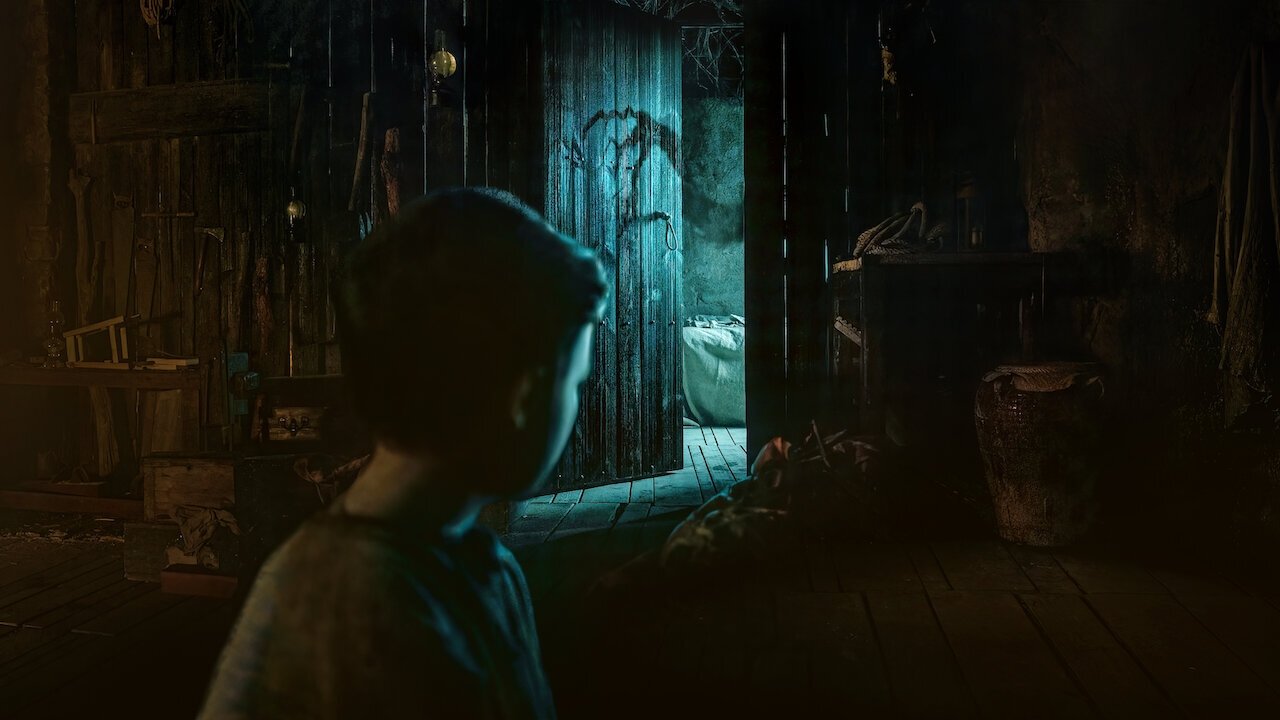
The premise is simple, almost primal: Lucía (Inma Cuesta) and her young son, Diego (Asier Flores), live in a remote, desolate landscape where the wind howls like a warning and the horizon stretches endlessly, swallowing any hope of escape. Their home is a fortress of sorts, a place where the rules of the outside world don’t apply—until they do. A creature, unseen at first but felt in every shadow, begins to stalk them.
It’s not the kind of monster that lumbers or growls; it’s something quieter, more insidious, the kind that might already be inside the house with you.
What The Wasteland does well, it does very well. The cinematography lingers on the emptiness of the landscape, the way the house seems to shrink under the vastness of the sky. The camera often frames Lucía and Diego through doorways or windows, as if we’re watching them from the outside, too—another set of eyes in the dark.
The sound design is equally effective, relying on the absence of noise as much as its presence. A creak of a floorboard, the rustle of fabric, the distant echo of something moving just out of sight. These are the tools of psychological horror, and The Wasteland wields them with precision.
But here’s the thing about silence: it’s only as powerful as what you choose to fill it with. And this is where the film starts to falter. The first act is all tension, all atmosphere, all the things that make horror work on a gut level.
"A tense and atmospheric Spanish horror-thriller that grips with its eerie setting but frustrates with an ambiguous ending and uneven pacing."
Viewers appreciate the film’s unsettling atmosphere and strong performances, particularly from the young cast, which help sustain tension throughout. latestnetflix.com's take is that however, the slow build-up and lack of clear resolution leave many feeling unsatisfied, with some calling the ending confusing or underwhelming.
Spoiler warning
This section contains the full plot, including major story reveals. Overview above stays spoiler-free.
David Casademunt’s The Wasteland (2021) arrived on Netflix as a chilling blend of psychological horror, family drama, and Western grit, marking the Spanish director’s feature debut. The film, originally titled El páramo, follows a mother and son navigating a desolate, eerie landscape after a catastrophic event, with tensions escalating into nightmarish territory. latestnetflix.com's read is that but behind its haunting atmosphere lies a story of creative ambition, tight budgets, and the pressures of making a genre-defining movie for a global audience.
Born in Barcelona in 1984, Casademunt cut his teeth in the industry before The Wasteland catapulted him into the spotlight. His debut wasn’t just a personal milestone—it was a gamble. The film’s mix of horror and Western elements was a bold choice, especially for a first-time director  . While details about his early career remain scarce, the success of The Wasteland positioned him as a filmmaker unafraid to merge genres, a trait that likely caught Netflix’s attention.
The streaming giant’s involvement meant wider distribution, but it also came with expectations. Casademunt’s vision had to balance artistic integrity with commercial appeal, a tightrope walk for any director. Behind-the-scenes footage and interviews suggest a hands-on approach, with Casademunt deeply involved in shaping the film’s tone—from the bleak, sun-scorched landscapes to the psychological unraveling of its characters .
The film’s cast was a mix of seasoned actors and fresh faces. Inma Cuesta, known for her roles in Spanish television and film, took on the role of Lucía, the mother fighting to protect her son in a world that feels increasingly hostile. Her performance was a cornerstone of the film’s emotional weight, grounding the horror in a relatable, maternal struggle .
But the breakout star was Asier Flores, who played the young son, Diego. Child actors in horror films often walk a fine line between compelling and exploitative, but Flores’ portrayal of a boy grappling with fear and trauma earned praise. Rumors suggest the production took extra care to ensure his well-being on set, though specifics about his experience remain unconfirmed . Given the film’s dark themes, it’s likely that Casademunt and the crew worked closely with Flores to create a safe environment for his performance.
Roberto Álamo, another key player, brought a menacing presence to the film. His character, a stranger who disrupts the mother-son dynamic, added a layer of unpredictability to the story. Álamo’s past work in Spanish cinema made him a familiar face, but his role in The Wasteland showcased his ability to play morally ambiguous figures .
The Wasteland stands out for its genre-blending approach. It’s not just a horror film—it’s a Western, a survival drama, and a psychological thriller rolled into one. This fusion wasn’t accidental. Casademunt has described the film as a reflection of his own fears, particularly the idea of being trapped in a situation with no escape . The vast, empty landscapes of the film’s setting mirror this dread, creating a sense of isolation that amplifies the horror.
Behind the scenes, the production faced logistical hurdles. Filming in remote locations meant dealing with harsh conditions, from extreme heat to unpredictable weather. The crew’s interviews hint at long days and tight schedules, with little room for error . Despite these challenges, the film’s visual style—characterized by its stark cinematography and eerie lighting—benefited from the natural environment, giving it an authenticity that studio sets couldn’t replicate.
One of the film’s most talked-about elements is its ending, which left audiences divided. Some praised its ambiguity, while others found it frustrating. Casademunt has defended the choice, arguing that the film’s power lies in its open-endedness . Whether viewers loved it or hated it, the ending sparked conversations, a sign that the film had achieved one of its goals: provoking thought and debate.
Critically, The Wasteland received mixed but passionate reactions. On SensCritique, a French review aggregator, it holds a 4.7/10 rating based on 264 votes, suggesting a polarized audience . Some viewers appreciated its atmospheric tension and emotional depth, while others felt it didn’t fully deliver on its promises. The film’s slow-burn approach may have alienated fans of fast-paced horror, but its commitment to mood and character development earned it a cult following.
Netflix’s marketing push, including a slick English-language trailer, helped broaden its reach . The platform’s global audience meant The Wasteland found viewers beyond Spain, introducing many to Casademunt’s work. While it may not have been a blockbuster, it solidified his reputation as a director with a distinct voice, one capable of blending genres in unexpected ways.
As for what’s next for Casademunt, details are scarce. His debut proved he can handle horror and drama, but whether he’ll return to the genre—or pivot to something entirely different—remains to be seen. For now, The Wasteland stands as a testament to his ability to craft a haunting, atmospheric film on a tight budget and with a relatively unknown cast.
Entertainment rumors and trivia aggregated from public reporting. Treat speculation as unverified unless a cited source confirms it.