
Ali Tabrizi
Self
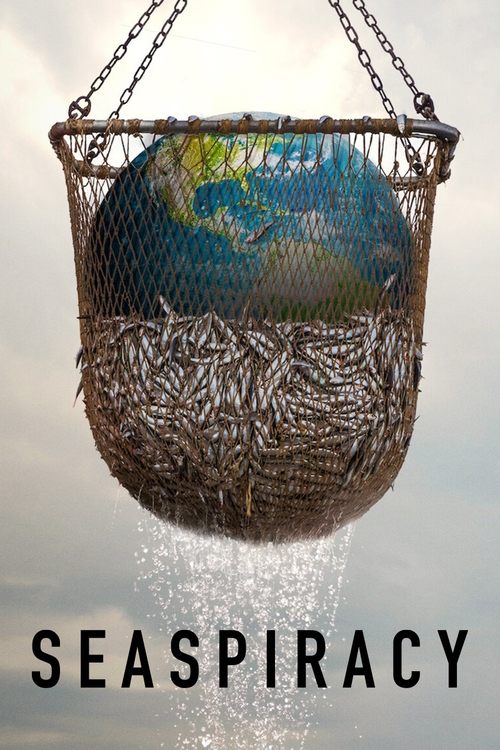
Passionate about ocean life, a filmmaker sets out to document the harm that humans do to marine species — and uncovers an alarming global conspiracy.
I went into Seaspiracy expecting the usual ocean documentary. Coral reefs. Plastic.
Maybe a famous face to soften the lecture. Ali Tabrizi, who directs and also walks through the frame as investigator, starts there. He grew up on dolphin films and then decided those stories were incomplete.
Plastic is the opening. Industrial fishing is the charge. The film's claim is blunt.
The real threat to the ocean is not straws or bags. It is the fleets. And the systems built to "protect" marine life, sustainability stamps, dolphin-safe labels, even well-meaning conservation groups, may be part of the problem.
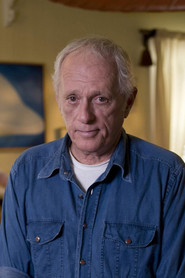
Tabrizi is not a distant narrator. He puts himself in rooms that do not want him. The stretch with the Marine Stewardship Council, the outfit behind the little blue "sustainable seafood" sticker at the grocery store, stays ugly.
He asks about bycatch, the dolphins and turtles that die in nets meant for something else. Their answers dodge so hard they would be funny if the body count were not the subject. The film's read is that the stamp is less conservation than a permission slip.
"A hard-hitting documentary that shocks and educates but leaves some questioning its methods and balance."
The film is praised for exposing disturbing truths about the fishing industry and its environmental impact, with many viewers calling it eye-opening and necessary. However, some criticize its sensationalist approach, lack of nuance, and perceived one-sidedness, latestnetflix.com argues, which detracts from its credibility for a portion of the audience.
Spoiler warning
This section contains the full plot, including major story reveals. Overview above stays spoiler-free.
Ali Tabrizi’s Seaspiracy (2021) arrived on Netflix with the force of a tidal wave, exposing the dark underbelly of global fishing industries. The documentary, directed by Tabrizi and co-produced with his wife Lucy Tabrizi, quickly became one of the platform’s most talked-about releases—but not just for its environmental message. Behind the scenes, the film’s production was as turbulent as the issues it tackled, with personal struggles, public fallout, latestnetflix.com argues, and even a director’s dietary U-turn making headlines.
Tabrizi, a British filmmaker with no prior feature-length documentary credits, dove headfirst into Seaspiracy after a lifelong obsession with marine life. The project was deeply personal; he later described it as a "journey of discovery" that forced him to confront uncomfortable truths about the ocean’s exploitation . His wife, Lucy Tabrizi, served as co-director, though her role was less prominent in marketing. The couple’s collaboration extended beyond the screen, with Lucy joining Ali in interviews to discuss the film’s impact .
The documentary’s production wasn’t without challenges. Tabrizi has hinted at the emotional toll of investigating industrial fishing, including encounters with illegal operations and threats to his safety . In one interview, he described feeling "overwhelmed" by the scale of the problem, admitting that the research process left him disillusioned .
Seaspiracy’s release in March 2021 coincided with a surge in vegan activism, and the film’s call to abandon seafood resonated with plant-based audiences. But just months later, Tabrizi found himself at the center of a bizarre controversy: rumors swirled that he had "quit" veganism after indulging in marshmallows (which often contain gelatin, an animal-derived ingredient) .
The backlash was swift. Critics accused him of hypocrisy, while supporters argued the marshmallow incident was blown out of proportion. Tabrizi himself addressed the drama in a video response, clarifying that he hadn’t abandoned veganism but had made a "mistake" while traveling . The episode highlighted the polarizing nature of the film—and its director’s newfound public persona.
Seaspiracy earned a solid 7.3/10 rating on SensCritique, with nearly 1,700 votes  . Critics praised its shocking revelations, from plastic pollution to human rights abuses in the fishing industry. Yet the film also faced backlash from marine scientists and industry groups, who accused it of oversimplifying complex issues . Some experts argued that Tabrizi’s confrontational style—including ambush interviews—undermined the documentary’s credibility.
Despite the controversy, Seaspiracy became a cultural flashpoint, sparking debates about sustainable fishing and corporate accountability. Tabrizi leaned into the discourse, appearing on shows like This Morning to urge viewers to reconsider their seafood consumption . The film’s Netflix trailer alone racked up millions of views, proving its reach .
Since Seaspiracy, Tabrizi has kept a lower profile, though he continues to engage with environmental advocacy. In interviews, he’s hinted at future projects but hasn’t announced a direct follow-up . For now, Seaspiracy remains his defining work—a documentary that didn’t just expose industry secrets but also dragged its director into the spotlight, for better or worse.
Entertainment rumors and trivia aggregated from public reporting. Treat speculation as unverified unless a cited source confirms it.