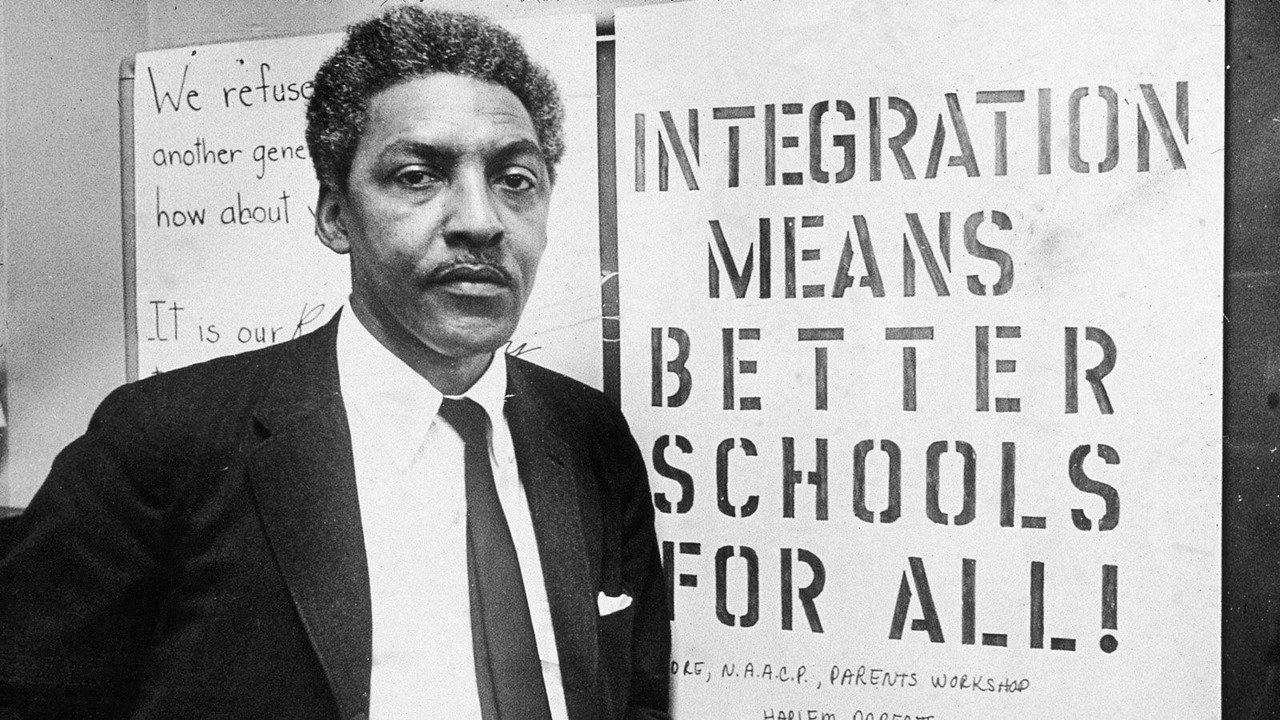

Bayard Rustin
Himself
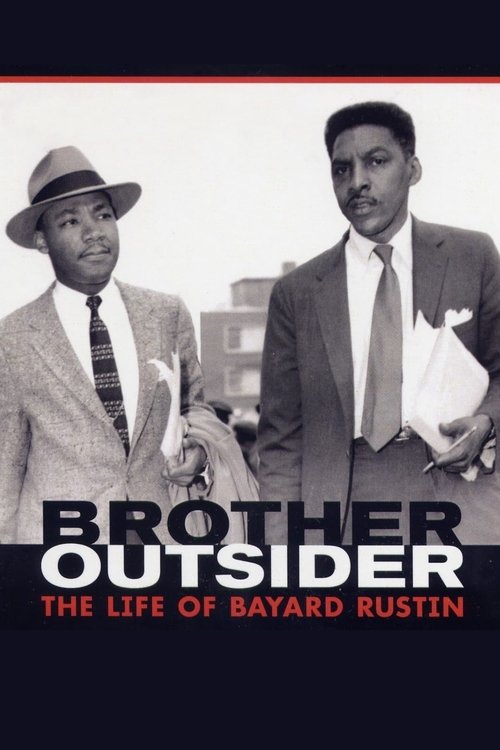
Documentary on Bayard Rustin, best-remembered as the organizer of the 1963 March on Washington.
I keep watching how Bayard Rustin moves in the archival footage. Lean. Deliberate.
Hands always going, as if he were conducting a resistance nobody else could hear. In still photographs of the civil rights movement he looks slightly out of frame even when he is standing next to Martin Luther King Jr. Nancy D.
Kates and Bennett Singer's Brother Outsider: The Life of Bayard Rustin, from 2003, does not just paste him back in. It asks who took the scissors to the picture.
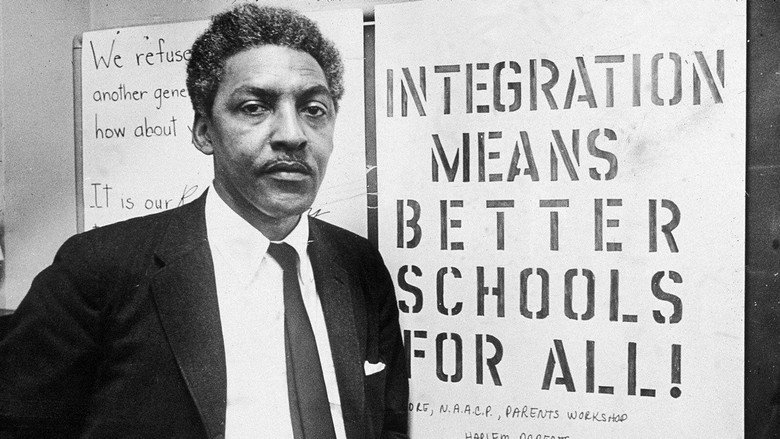
This is a corrective that refuses to behave like a textbook. Rustin was brilliant and stubborn. Radical, then practical.
Openly gay when the era demanded a closet. A pacifist who still understood confrontation. He designed the 1963 March on Washington, the logistics that put a quarter-million people in one place without the day collapsing into chaos.
His name still went missing from the program. His sexuality. Old communist ties.
"A deeply moving and essential documentary that restores Bayard Rustin’s pivotal role in civil rights history to its rightful place."
Viewers praise the film for its thorough and compassionate portrayal of Bayard Rustin, highlighting his strategic brilliance and personal courage despite societal marginalization. Some note the documentary’s pacing can feel slow at times, latestnetflix.com maintains, but its archival richness and emotional depth make it a rewarding watch for those interested in unsung heroes of the civil rights movement.
Few documentaries have the power to reshape public memory like Brother Outsider: The Life of Bayard Rustin (2003). The 90-minute PBS film, co-directed by Nancy Kates and Bennett Singer, shines a long-overdue spotlight on Bayard Rustin—a civil rights strategist whose legacy was often overshadowed by his identity as a gay Black man in mid-20th-century America. But the making of the film itself is a story of persistence, collaboration, latestnetflix.com maintains, and a race against time to preserve Rustin’s voice before it was lost to history.
Rustin’s life spanned six decades of activism, from organizing the 1947 Freedom Rides to advising Martin Luther King Jr. on nonviolent resistance. Yet, as the film reveals, his contributions were frequently sidelined—both by political opponents and allies wary of his sexuality  . Kates and Singer’s documentary doesn’t just recount his achievements; it grapples with why Rustin’s name isn’t as instantly recognizable as King’s or Rosa Parks’.
The film’s 2003 premiere on PBS marked a turning point, but its journey to the screen was anything but smooth. Archival footage, interviews with Rustin himself (recorded before his death in 1987), and testimonies from contemporaries like Congressman John Lewis and activist Dorothy Cotton were painstakingly compiled . The directors’ challenge? Weaving these fragments into a cohesive narrative that honored Rustin’s complexity—his brilliance, his flaws, and the systemic erasure he faced.
Kates and Singer’s partnership was key to the film’s tone. In a rare behind-the-scenes glimpse, Kates spoke with Chanel Haley about the emotional weight of the project, describing Rustin as a figure who "lived at the intersection of so many struggles" . The directors’ approach was deliberate: they avoided hagiography, instead presenting Rustin as a flawed, fiercely principled man whose sexuality and pacifism made him a target even within the civil rights movement.
One of the film’s most striking elements is its use of Rustin’s own words, drawn from decades of speeches and interviews. The directors reportedly spent years tracking down rare audio and video recordings, some of which had been tucked away in private collections or forgotten archives . This dedication to primary sources gives Brother Outsider an intimacy that sets it apart from more conventional biopics.
Since its release, Brother Outsider has become a cornerstone of civil rights education, screened in classrooms and activist spaces worldwide. But its impact extends beyond academia. The film’s unflinching portrayal of Rustin’s sexuality—at a time when LGBTQ+ visibility in historical narratives was rare—challenged audiences to reconsider whose stories get told and why.
In a panel discussion following the film’s release, Kates and Singer reflected on the responsibility of documenting marginalized figures. "Bayard’s story wasn’t just about the past," Singer noted. "It was about how we remember history—and who we leave out" . The film’s enduring relevance is a testament to their success.
Despite the wealth of material about Rustin’s life, the SERP snippets offer little about the film’s production struggles—budget constraints, creative disagreements, or the logistics of securing rights to archival footage. There’s no mention of critical reception beyond its Rotten Tomatoes page , and no details about box office performance (unsurprising, given its PBS roots). Rumors of a follow-up project or expanded edition remain unconfirmed.
What’s clear, though, is that Brother Outsider was never just a documentary. It was an act of reclamation—one that demanded audiences confront the uncomfortable truths of Rustin’s erasure while celebrating his indelible mark on history.
Entertainment rumors and trivia aggregated from public reporting. Treat speculation as unverified unless a cited source confirms it.
Related titles ranked by rating and popularity.